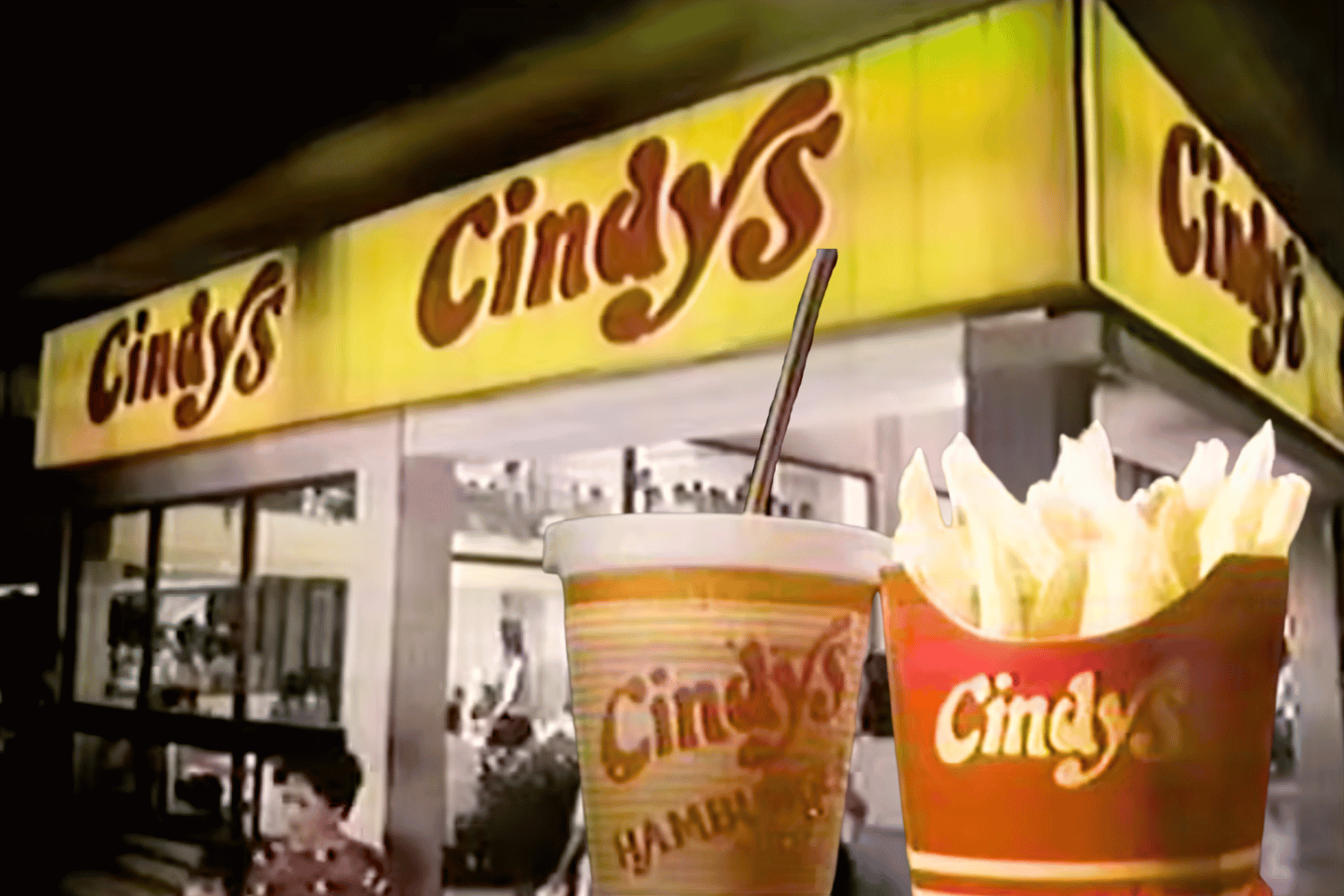
A look back at the fast-food chain that quietly stepped away from the burger wars.
Weekends came with a rare but exciting question from their parents: “Saan tayo kakain?” For Filipino kids in the 80s and 90s, the choices were often simple. Jollibee—or Cindy’s.
Choosing Cindy’s meant biting into one of its juicy burgers, twirling sweet-style spaghetti, or sharing a plate of palabok before asking your parents if you could have dessert from the bakeshop. With its memorable slogan, “The Place to Be,” Cindy’s wasn’t just another restaurant. For many families, it was part of growing up.
Then, almost without anyone noticing, it disappeared.
Not completely. There were no dramatic bankruptcy headlines or farewell announcements. One day, Metro Manila simply stopped seeing Cindy’s branches beside the country’s fast-food giants. It quietly folded its flag in the burger wars while everyone else kept expanding.
For many Filipinos, it felt like Cindy’s had lost.
In reality, it simply chose not to keep fighting.
Founded in Tarlac City in 1972, Cindy’s was one of the country’s earliest homegrown fast-food success stories. During the 1980s and early 1990s, it expanded aggressively across Luzon, becoming one of the few local brands that could realistically compete with the rapidly growing Jollibee. Its burgers, fried chicken, spaghetti, chicken barbecue, and palabok earned loyal customers long before international giants flooded the market.
But the industry changed quickly.
Jollibee accelerated its nationwide expansion, while McDonald’s poured massive investments into the Philippines. Television advertising became more expensive, mall rentals soared, and supply chains became increasingly dominated by companies with far deeper pockets. Competing wasn’t just about serving a better burger anymore—it became a battle of capital, marketing, and scale.
Instead of exhausting itself in a fight it was unlikely to win, Cindy’s made a decision that many businesses struggle to make: it changed its identity.
In 1996, the company shifted its focus from operating large fast-food restaurants to strengthening the business it already knew well—its bakery. Rather than chasing burger sales, it concentrated on breads, cakes, pastries, and neighborhood bakeshops, particularly across Northern and Central Luzon.
To Metro Manila, it looked like Cindy’s had vanished.
To the company, it was survival.
The strategy worked.
Today, Cindy’s continues to operate as Cindy’s Bakery & Restaurant, with more than 90 branches and over 100 independent dealers across Luzon. Several locations, particularly in Tarlac and Pangasinan, still serve the classic burgers, spaghetti, palabok, and chicken barbecue that older Filipinos fondly remember.
Its story offers an unusual lesson in Philippine business history.
Not every company loses because it makes bad products. Sometimes, it simply recognizes that it cannot outspend a rival. Instead of dying gloriously, it survives by becoming something else.
One can’t help but wonder what the fast-food landscape would look like today had Cindy’s continued investing in its restaurants. Could Filipinos have grown up debating whether to eat at Jollibee, McDonald’s, or Cindy’s? Would there have been another national burger giant standing beside the Bee?
We’ll never know.
What we do know is that while Jollibee won the burger war, Cindy’s won something else.
More than 50 years after opening its first store, it is still around—just no longer where most Filipinos expected to find it.
READ:
Food and retail brands lead Brand Finance ranking of strongest PH brands
Kiara Gorrospe
June 26, 2026
McDonald’s Baguio offers unli buffet on April 21
Kiara Gorrospe
April 7, 2026
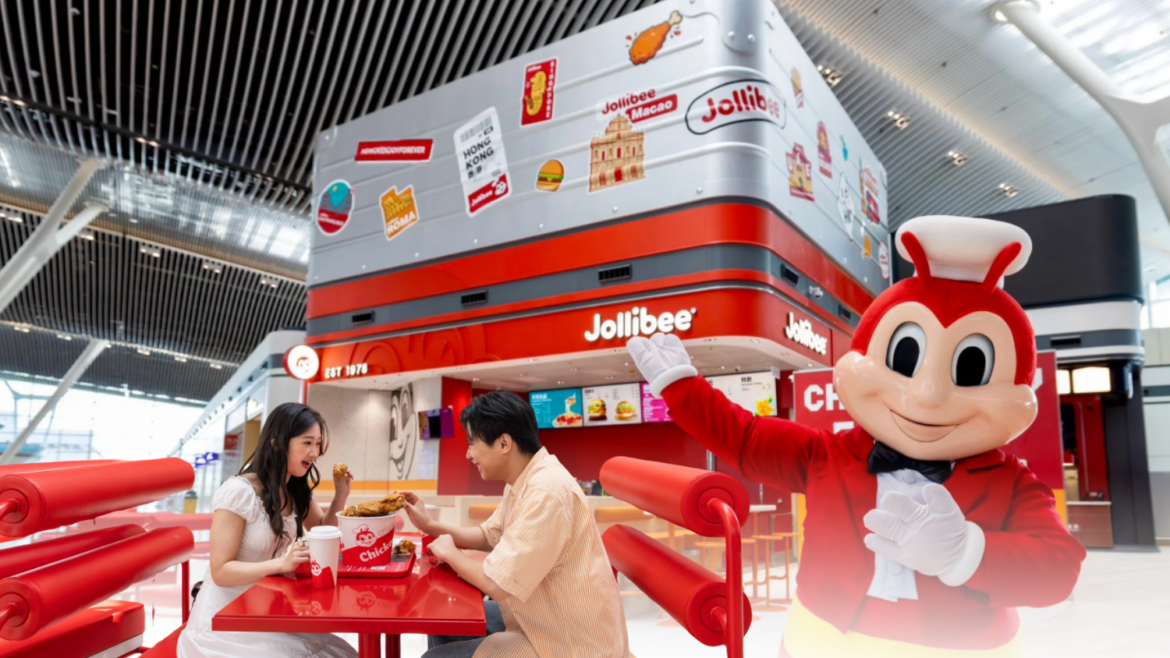
Jollibee opens first airport branch at Hong Kong International Airport
radar Business
May 28, 2026