Here’s how to protect yourself from the mosquito-borne disease.
A quiet surge of fever and crippling joint pain in a small town in Samar has put health authorities on alert.
After recording 84 confirmed cases, the municipality of Gandara, Samar placed two villages—Barangay Ngoso and Barangay Catorse de Agosto—under a Code Red Alert following a localized outbreak of chikungunya. Health officials say the disease has spread rapidly within the affected communities, prompting massive cleanup drives and intensified surveillance to prevent it from reaching neighboring barangays.
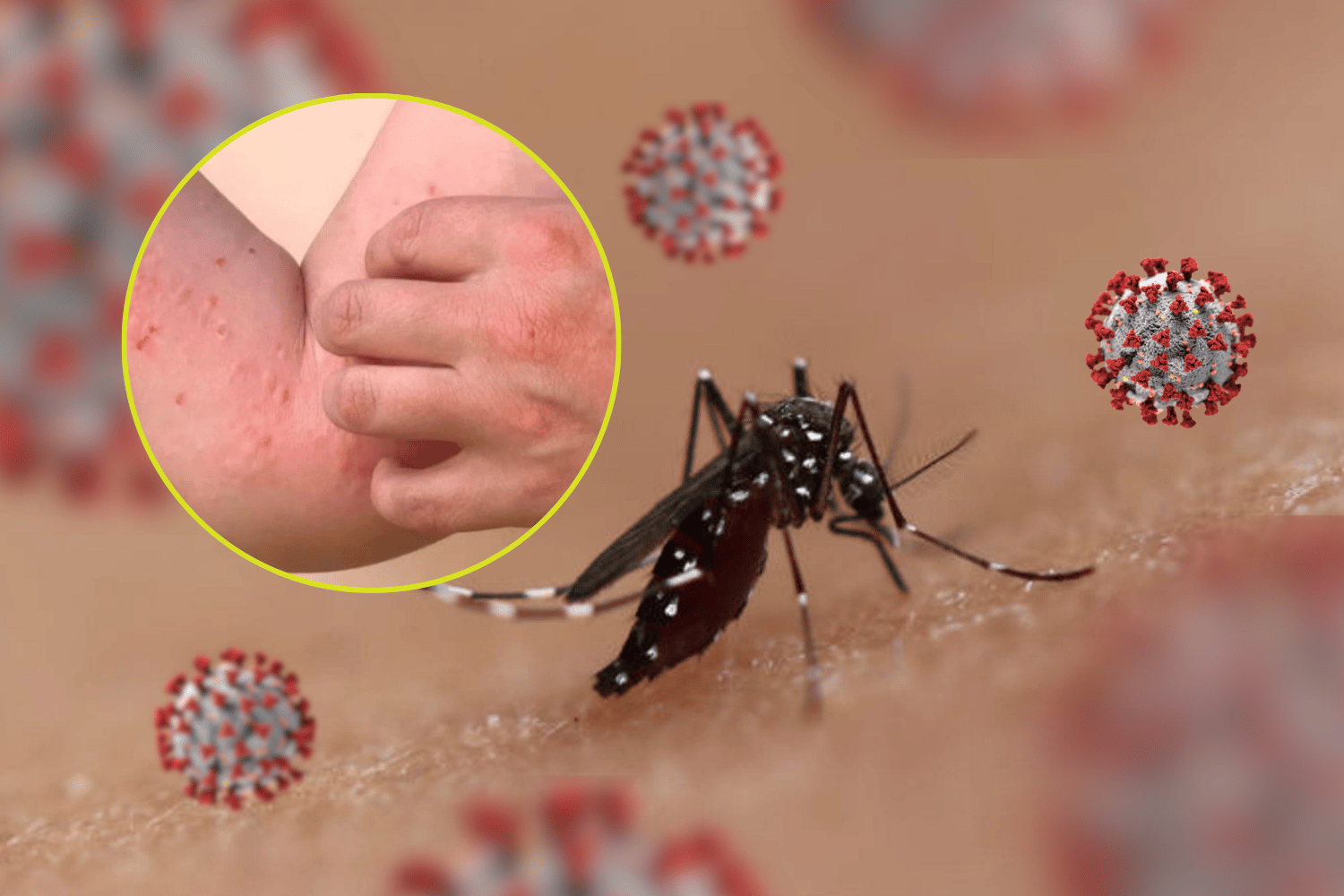
The outbreak has also renewed public attention on a disease that often takes a back seat to dengue but is spread by the very same mosquitoes.
Like dengue, chikungunya is transmitted through the bites of infected Aedes aegypti and Aedes albopictus mosquitoes, which commonly breed in clean, stagnant water found in flower pots, buckets, old tires, roof gutters, and uncovered water containers.
The illness usually begins suddenly with a high fever, but what makes chikungunya different is its intense joint pain, which can become so severe that some patients struggle to walk or perform simple daily activities. The pain commonly affects the wrists, ankles, fingers, knees, and feet, and in some cases may persist for weeks or even months after the fever has subsided.
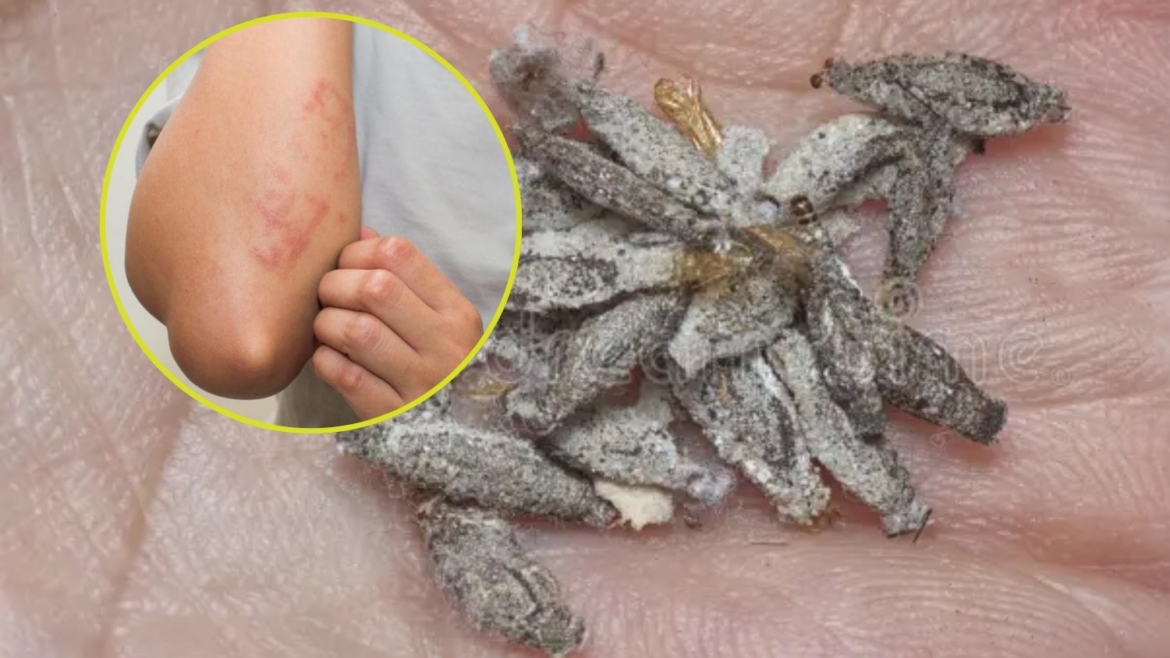
Other symptoms include headache, muscle pain, skin rashes, fatigue, and nausea.
Because chikungunya and dengue share many early symptoms, health experts strongly advise people not to self-medicate, particularly with pain relievers such as ibuprofen or similar anti-inflammatory drugs, until dengue has been ruled out by a healthcare professional. Some medications may increase the risk of bleeding in patients with dengue.
There is currently no specific antiviral treatment or widely available vaccine for chikungunya in the Philippines. Most patients recover with adequate rest, hydration, and medications prescribed by a doctor to relieve fever and pain.
This makes mosquito control the best defense against the disease.
Health authorities recommend eliminating stagnant water in and around homes at least once a week, covering water storage containers, cleaning roof gutters and drainage canals, properly disposing of cans, bottles, and tires that collect rainwater, and replacing water in flower vases regularly.
Individuals can also reduce their risk by wearing long sleeves and long pants, applying mosquito repellents, using window screens, sleeping under mosquito nets when necessary, and avoiding areas with heavy mosquito activity, especially during the early morning and late afternoon when Aedes mosquitoes are most active.
The Gandara Municipal Health Office has also urged residents to cooperate in synchronized community cleanup drives, stressing that mosquito control is most effective when entire neighborhoods remove breeding sites at the same time.
Although the current outbreak remains confined to two barangays, health workers continue to monitor the municipality’s remaining 67 villages for possible spread.
The Samar outbreak serves as a reminder that chikungunya remains a public health threat in the Philippines. Until mosquito breeding sites are eliminated, communities remain vulnerable—not only to chikungunya, but also to dengue and other mosquito-borne diseases carried by the same insect.
READ: