These roving bread vendors became an everyday sight in communities across the country.
If you grew up in the ‘80s or ‘90s, there’s a good chance you’ve experienced this.
It’s still dark outside when you’re suddenly awakened by a familiar sound.
“Pot-pot… pot-pot…”
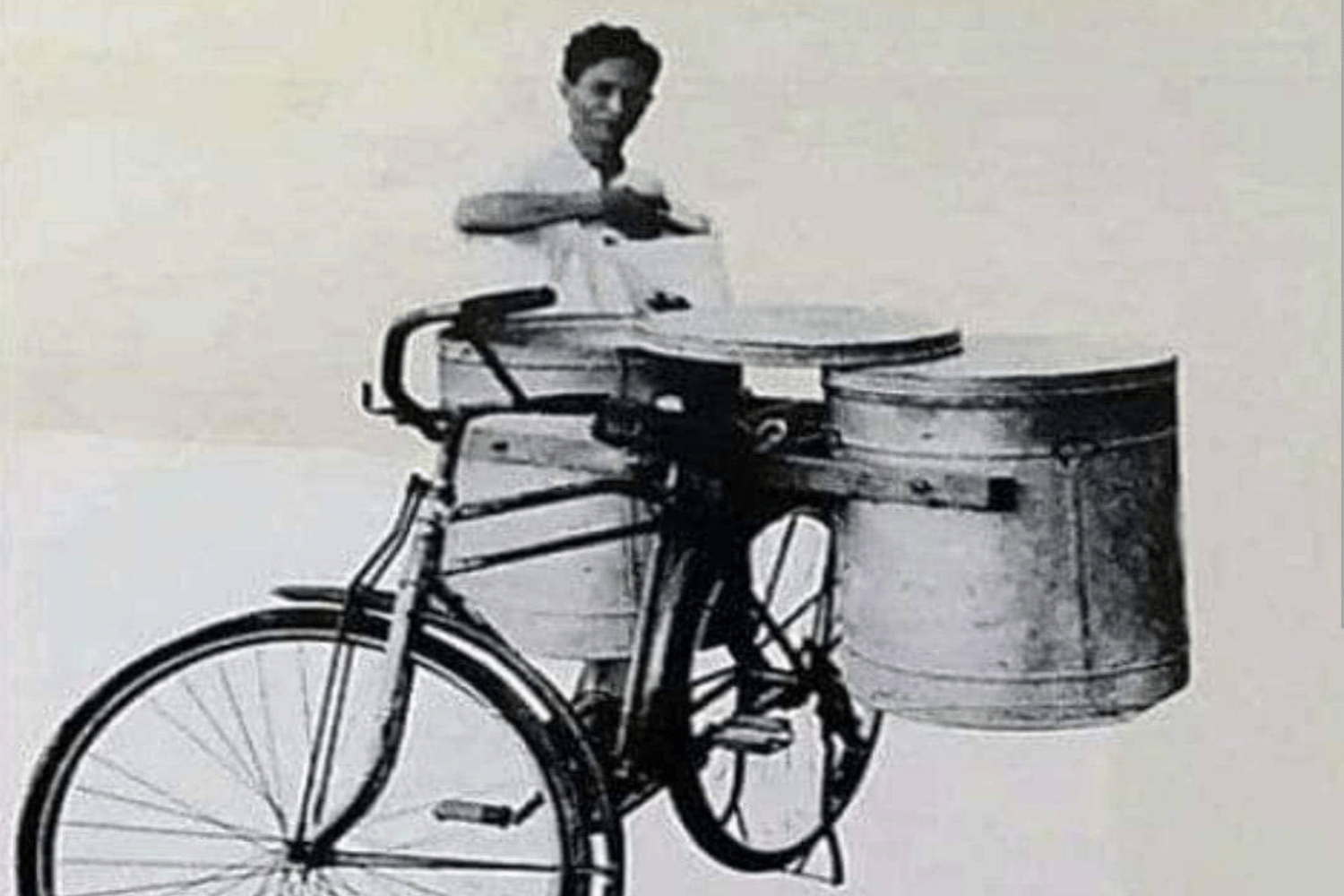
Without even looking out the window, you already know who’s outside. You grab a few coins from the table, slip on your tsinelas, and run toward the gate before the bicycle moves on to the next house. Inside the metal box mounted behind the bike are still-warm pandesal, monay, Spanish bread, and ensaymada—breakfast for the entire family.
That daily scene was once a fixture in countless Filipino neighborhoods, and it gave birth to one of the country’s most enduring nicknames: the “potpot.”
The name didn’t come from the bread. It came from the sound of the rubber squeeze horn attached to the bicycle’s handlebars. Vendors repeatedly honked it—“pot-pot… pot-pot!”—to let residents know that fresh bread had arrived. Before long, people stopped calling them bread vendors and simply referred to them as the potpot.
Their rounds usually began between 4 AM and 6 AM, while most of the neighborhood was still asleep. At the back of each bicycle was a large covered metal box that kept the bread fresh and warm as the vendor went from one street to the next. For many families, there was no need to walk to the bakery because the bakery came to them.
The selection was simple but familiar: hot pandesal for breakfast, buttery Spanish bread, hefty monay, soft ensaymada, and other pan de sal staples that had just come out of the oven. According to the Philippine News Agency and various cultural accounts documenting the tradition, these roving bread vendors became an everyday sight in communities across the country long before convenience stores and app-based deliveries became part of Filipino life.
The tradition hasn’t completely disappeared. In many provinces and suburban communities, bread vendors still make their morning rounds, although many have traded bicycles for motorcycles fitted with insulated bread compartments or small ovens. The potpot has even inspired modern bakeries, with establishments such as Panaderya Toyo paying homage through products like their “Potpot Pandesal.”
Today, breakfast can arrive with a few taps on a smartphone. But for generations of Filipinos, home delivery came with the sound of a bicycle horn, the smell of freshly baked bread, and a sleepy dash to the gate before the potpot disappeared down the street.
READ: