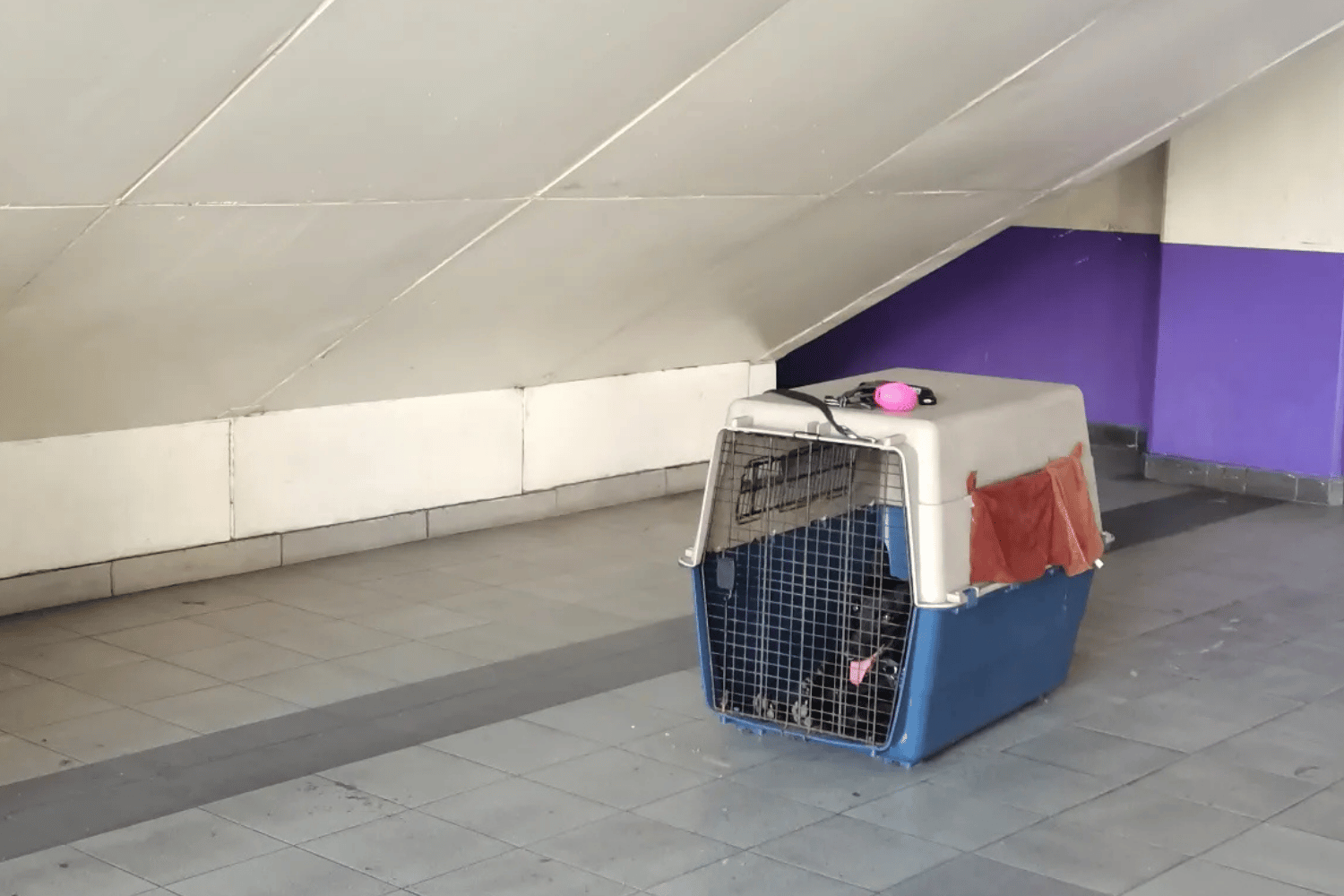
The photo prompted questions from netizens about whether K9 units are provided with adequate conditions for rest and protection while on duty—particularly in crowded, open-air transit environments.
Law enforcement and security agencies rely on working dogs for tasks such as bomb detection, security inspections, and public safety operations. Like other working animals, these dogs require proper care, including sufficient rest, shelter, and protection from harsh environmental conditions.
Among the breeds commonly used for K9 units are Belgian Malinois and German Shepherds, both of which have thick double coats that can make them more vulnerable to heat stress.
In a tropical country like the Philippines, high temperatures, humidity, and heat absorbed by concrete-heavy environments can add to the risks faced by animals stationed outdoors for extended periods.
Even during the habagat season, state weather bureau PAGASA has warned that “danger level” heat indices ranging from 42C to 51C remain highly possible. Coastal and low-lying areas may also experience extreme humidity that can sustain dangerous heat conditions.
The welfare of working animals in the Philippines is protected under Republic Act No. 8485, or the Animal Welfare Act of 1998, which was amended in 2013 through Republic Act No. 10631.
The law requires handlers and caretakers to provide animals with adequate food, shelter, and protection from conditions that may cause unnecessary suffering. Working animals are not exempt from these protections simply because they serve operational purposes.
For K9 units, additional guidelines are also outlined in the Philippine National Police’s 2017 Memorandum Circular No. 2017-069 on K9 Administration and Management. The directive establishes protocols on deployment, rest periods, and proper care for police dogs.
However, ensuring these standards are met can be challenging in public facilities where K9 units are assigned to secure large areas for extended periods.
Since transit hubs lack the dedicated, shaded relief zones or climate-controlled resting facilities, many handlers are forced to improvise resting areas within the operational zone just to maintain security.
As public infrastructure continues to expand, the discussion surrounding the viral LRT-1 photo highlights a broader question: How can agencies continue relying on working animals while ensuring that the environments where they serve also protect their well-being?
READ: