House Bill No. 9564 has reignited discussions on whether other everyday essentials should also be spared from VAT.
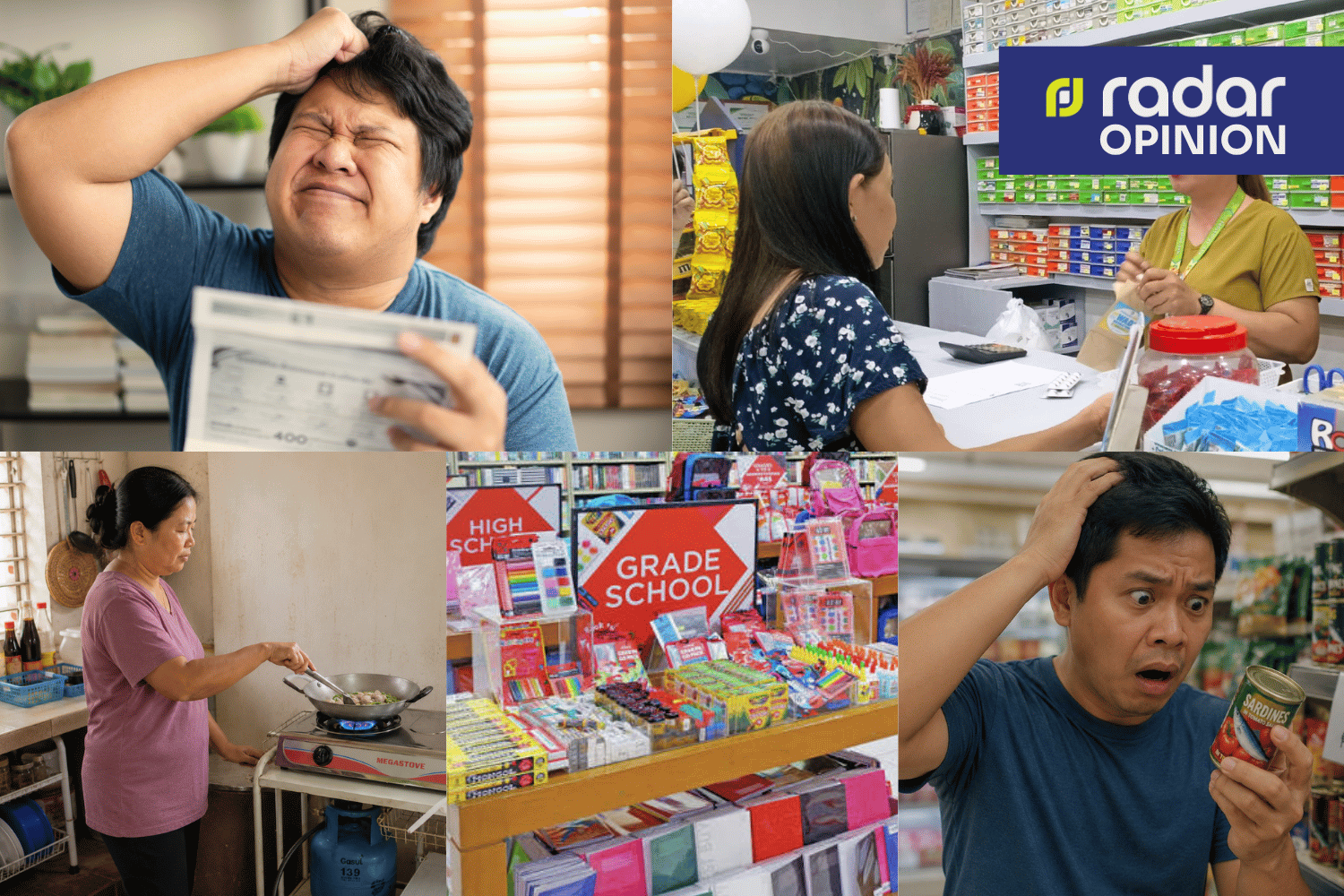
You buy a loaf of bread, a can of sardines, a pack of paracetamol, refill your LPG tank, and pay your electric bill. They’re not luxuries. They’re simply part of surviving another week.
Yet every time you buy or pay for many of these everyday necessities, you’re also paying the government’s 12% Value-Added Tax (VAT).
The Philippine Tax Code already exempts fresh agricultural products, tuition fees, books, newspapers, minimum wage earners, and select maintenance medicines for chronic illnesses from VAT. But many items that millions of Filipinos rely on every day continue to carry the full 12% tax.
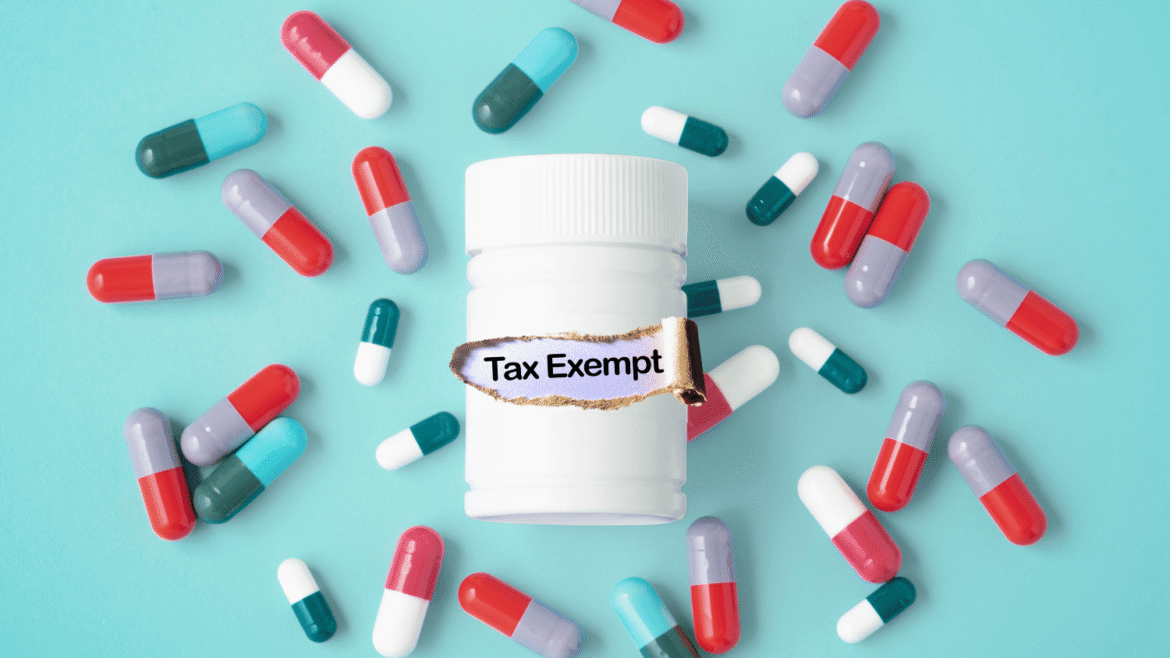
The issue has once again gained attention following the filing of House Bill No. 9564, which seeks to exempt all essential medicines from VAT. Filed on June 1 by Makabayan lawmakers Reps. Antonio Tinio, Sarah Jane Elago and Renee Louise Co, the bill would expand the current VAT exemption beyond selected maintenance medicines to include common drugs such as paracetamol, vitamins, antibiotics and other essential medicines. It would also remove VAT on specialized nutritional food products for patients with conditions such as diabetes, cancer, kidney disease and malnutrition.
The proposal is rooted in a simple argument: healthcare and other basic necessities should not become more expensive because of taxes. Supporters note that while only about 5% of medicines currently sold in the country are VAT-exempt, Filipinos already pay some of the highest medicine prices in Asia.
Although House Bill No. 9564 focuses on medicines, it has also reignited broader discussions on whether other everyday essentials should likewise be spared from VAT.
Here are five categories that many economists, consumer advocates and lawmakers believe deserve serious consideration.
Lifeline electricity and water
Every month, households pay VAT on their electricity and water bills.
While electricity and water are basic necessities, distribution services remain subject to the standard 12% VAT, which is passed directly to consumers. For low-income families consuming only lifeline levels of electricity or minimal amounts of water, the tax adds another burden to already stretched budgets.
Supporters of reform argue that access to clean water, sanitation and electricity should be treated as basic human needs—not taxable privileges.
Over-the-counter medicines
Paracetamol, cough syrup, vitamins, oral rehydration salts and many commonly used antibiotics are still subject to 12% VAT.
Current exemptions apply only to medicines used for specific chronic illnesses such as diabetes, hypertension, cancer and kidney disease. As a result, the vast majority of medicines sold in pharmacies remain taxable.
This is precisely what House Bill No. 9564 seeks to change by making all essential medicines VAT-free. Its authors argue that families should not have to choose between buying food and purchasing medicine for common illnesses.
Processed basic food
Fresh fish, vegetables, fruits and meat are VAT-exempt. But once food is processed, canned, bottled or packaged, the tax generally applies.
That means everyday staples such as canned sardines, instant noodles, loaf bread, condensed milk and many pantry condiments are all subject to VAT.
For many Filipino households, these aren’t occasional purchases—they’re daily necessities, especially in communities with limited access to fresh markets or refrigeration. Consumer groups argue that taxing inexpensive staple foods disproportionately affects families already trying to stretch every peso.
LPG and kerosene
Cooking is a necessity, yet the fuels needed to prepare meals are also taxed.
Household LPG and kerosene remain subject to VAT, in addition to applicable excise taxes. Although the government has temporarily suspended some fuel taxes during periods of unusually high inflation, these measures have not permanently removed VAT from household cooking fuels.
Advocates say making LPG more affordable would encourage families to use cleaner fuels instead of charcoal or firewood, improving public health while reducing environmental damage.
Essential school supplies
Education may be VAT-exempt, but the tools students need to learn are not.
While books enjoy VAT exemption, notebooks, bond paper, pens, pencils, calculators and many digital learning devices—including entry-level laptops and tablets—still carry the 12% tax.
For parents sending several children to school, these expenses quickly add up. As education increasingly depends on digital access, many believe school supplies and basic learning gadgets should receive the same tax treatment as books.
The bigger debate
VAT remains one of the government’s largest revenue sources, funding public services and infrastructure. Expanding VAT exemptions would reduce tax collections, meaning lawmakers would need to identify new revenue sources or spending adjustments to offset the losses.
Still, House Bill No. 9564 has revived a broader conversation about what should truly be considered essential. If medicine deserves tax relief because it protects health, should electricity, water, cooking fuel, affordable food and school supplies receive the same treatment?
For millions of Filipinos living paycheck to paycheck, the answer may not simply be about taxes. It’s about recognizing that the cost of surviving—and building a better future—should not become even heavier because of the very system meant to serve them.
READ:
OPINION: The government is counting the cost but missing the growth
Von Cuerpo
July 30, 2026
OPINION: Can online shops replicate the thrill of secondhand book hunting?
John Lloyd Aleta
August 6, 2026
14 more medicines added to VAT-exempt list covering 2,277 drugs
radar Business
August 6, 2026