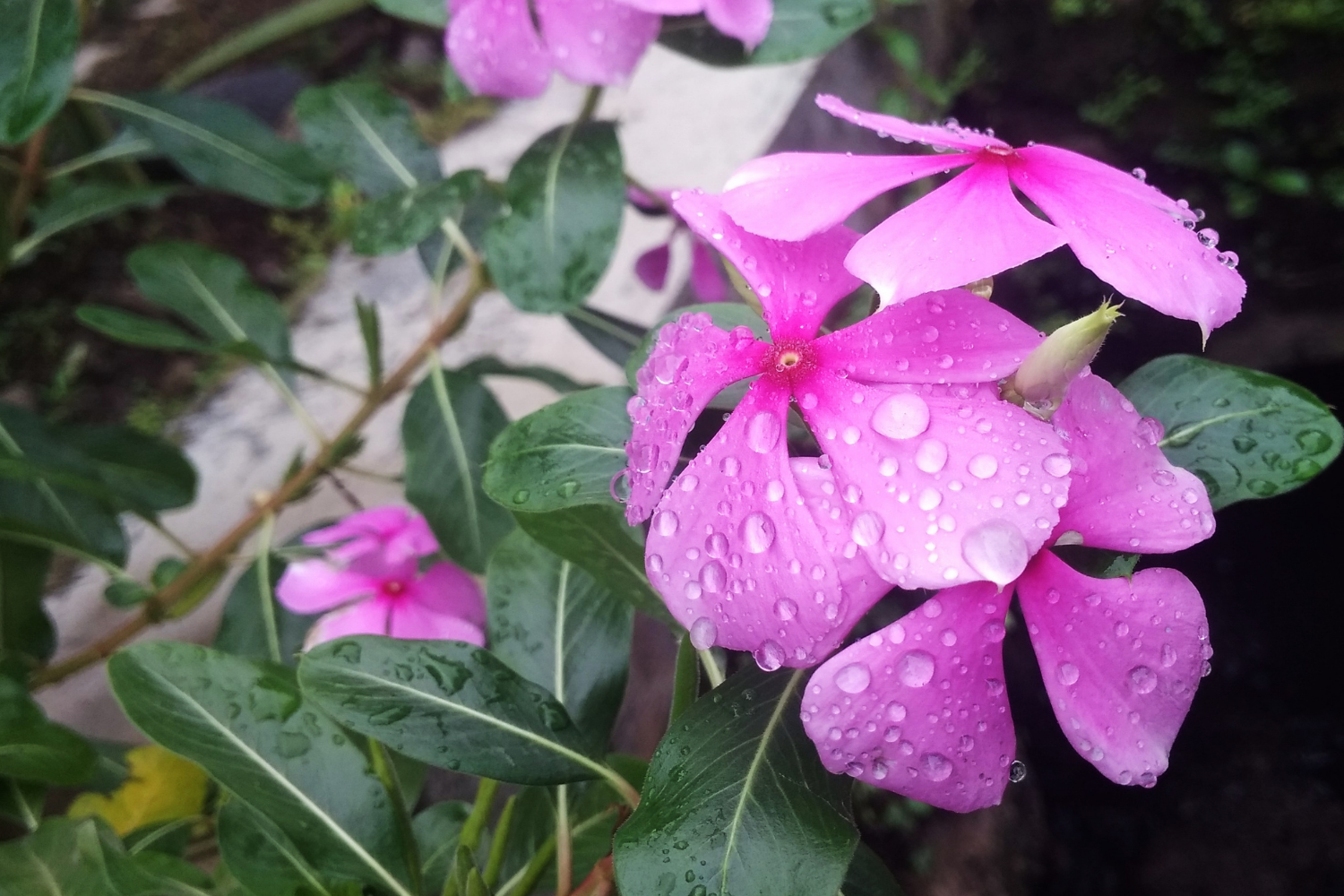
This plant contains molecules powerful enough to become some of modern medicine’s enduring weapons against cancer.
It grows almost unnoticed in Filipino gardens, along sidewalks and in pots outside homes. But the humble tsitsirika is far more than an ornamental flower.
Known scientifically as Catharanthus roseus or Madagascar periwinkle, tsitsirika is the natural source of vinblastine and vincristine—two compounds that became important chemotherapy drugs and helped transform the treatment of several cancers.
From garden flower to cancer drug
The discovery happened almost by accident.
In the 1950s, researchers studying Catharanthus roseus were investigating its traditional reputation as a treatment for diabetes. Instead of finding the expected effect on blood sugar, they observed that extracts dramatically reduced white blood cells.
That unexpected finding eventually led researchers to isolate vinblastine and vincristine. A historical review published in Biochemistry and Cell Biology describes how the failed diabetes investigation ultimately produced compounds used clinically against various cancers.
The drugs eventually became established cancer medicines. According to the US National Cancer Institute, vinblastine received US FDA approval in 1961, followed by vincristine in 1963.
How tsitsirika fights cancer
Cancer cells survive by multiplying rapidly. Vinblastine and vincristine interfere with that process by binding to tubulin, a protein needed to build microtubules that help cells divide.
By disrupting microtubule activity, these compounds can stop cancer cells from successfully dividing. Scientific reviews have documented this mechanism and the continuing importance of the two drugs in cancer therapy.
Vincristine has become particularly important in combination treatments for acute lymphoblastic leukemia and lymphomas, while vinblastine has been used against cancers including Hodgkin lymphoma and other malignancies.
Researchers remain interested in the plant today. A 2025 scientific review highlighted vinblastine and vincristine among Catharanthus roseus’ most medically significant compounds because of their ability to disrupt microtubule function in cancer cells.
But don’t boil it and drink it
There is one crucial distinction: tsitsirika itself is not a proven home remedy for cancer.
The life-saving medicines derived from it are purified pharmaceutical compounds manufactured and administered in carefully controlled doses. Catharanthus roseus also contains biologically active substances that can be toxic, and scientific reviews warn that extracts and isolated compounds can produce serious adverse effects depending on the dose.
Drinking boiled tsitsirika leaves or flowers should therefore never be treated as an alternative to chemotherapy or proper medical care.
The real wonder of tsitsirika is not that a backyard flower can magically cure cancer. It is that hidden inside an ordinary plant were molecules powerful enough to become some of modern medicine’s enduring weapons against the disease.