But the evidence is still limited.
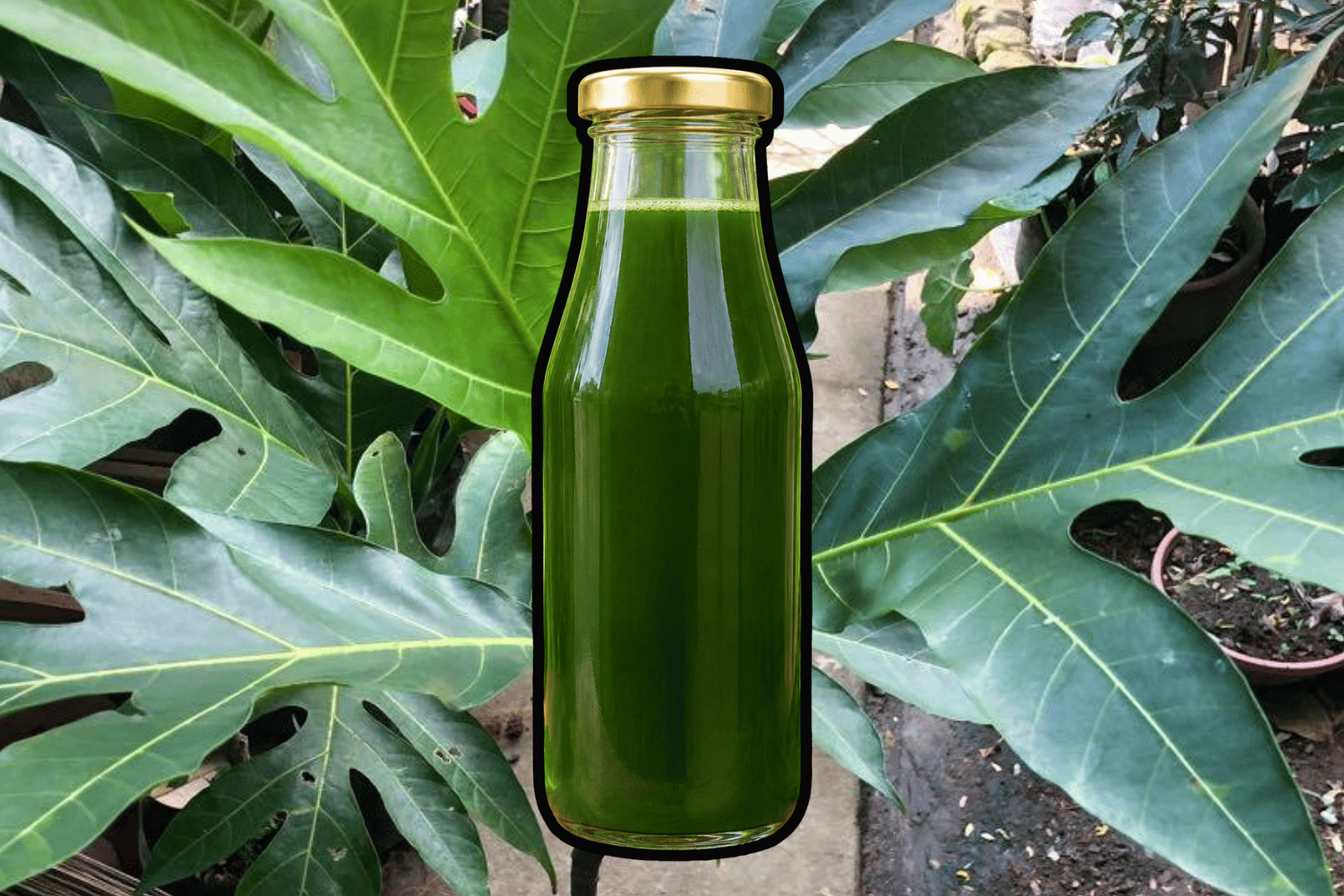
That big, deeply lobed leaf growing on the humble rimas tree may be more than just shade.
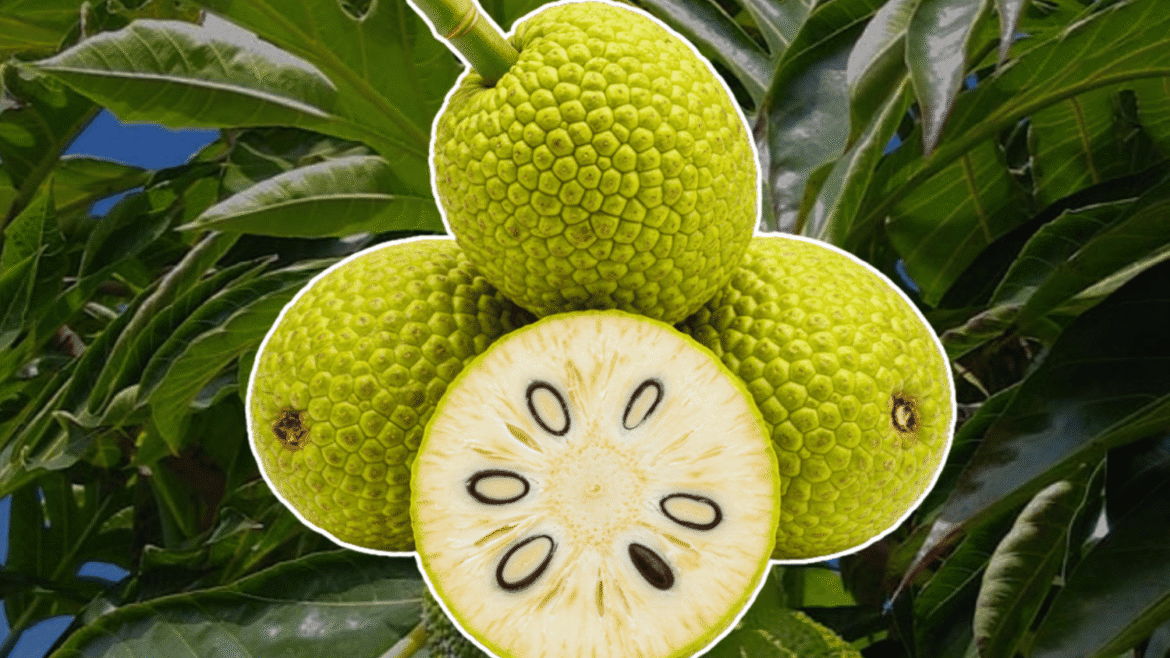
Rimas, known internationally as breadfruit (Artocarpus altilis), has long been used in traditional medicine. Its mature leaves are commonly boiled into tea or a decoction, with some people drinking it for high blood pressure, diabetes and other ailments.
Scientific studies suggest there may be something behind at least some of these traditional uses.
One of the strongest clues comes from a 2024 study published in the Biomedical and Pharmacology Journal. Researchers conducted a double-blind randomized controlled trial involving 36 obese adults in Makassar, Indonesia. Participants who received breadfruit leaf extract showed reductions in systolic and diastolic blood pressure after the intervention.
But there is an important catch: when researchers compared the intervention and control groups, the differences were not statistically significant. The study was also small, meaning much larger clinical trials are needed before rimas can be considered an established treatment for hypertension.
What’s inside a rimas leaf?
Researchers have identified biologically active compounds in breadfruit leaves, including flavonoids. These compounds have attracted scientific interest for their possible cardiovascular, anti-inflammatory and metabolic effects.
There are also hints that rimas could affect blood sugar.
In a study indexed in PubMed, breadfruit leaf extract lowered blood glucose and increased insulin expression in pancreatic beta cells. Sounds impressive—but the experiment was conducted on diabetic rats, not people. It therefore cannot establish that drinking rimas leaf juice treats diabetes in humans.
But don’t turn it into your daily “medicine” yet
Safety studies provide some reassurance but also underline how much remains unknown.
A 2014 toxicity study found no major toxic reactions in rats given breadfruit leaf and bark extracts during an acute 14-day experiment.
A newer 2025 study likewise found breadfruit leaf ethanol extract relatively well tolerated in animal testing. However, researchers observed changes in liver index and liver tissue at the higher dose during a 28-day study, even though biochemical markers did not indicate organ toxicity.
These experiments used controlled extracts and doses. They do not establish the safety of regularly drinking homemade rimas leaf juice or concentrated decoctions.
And that’s where caution matters.
Anyone taking maintenance medicines for hypertension or diabetes should talk to a doctor before using rimas medicinally. If breadfruit leaves really do affect blood pressure or blood sugar, combining them with medicines designed to do the same thing could potentially produce unwanted effects.
Pregnant or breastfeeding women should also avoid medicinal amounts unless cleared by a healthcare professional because adequate human safety data are lacking.
Most importantly, don’t stop prescribed hypertension or diabetes medication and replace it with boiled rimas leaves.
The science surrounding this familiar backyard tree is intriguing. But for now, rimas leaf extract remains promising experimental herbal medicine—not a proven substitute for maintenance drugs.
READ: