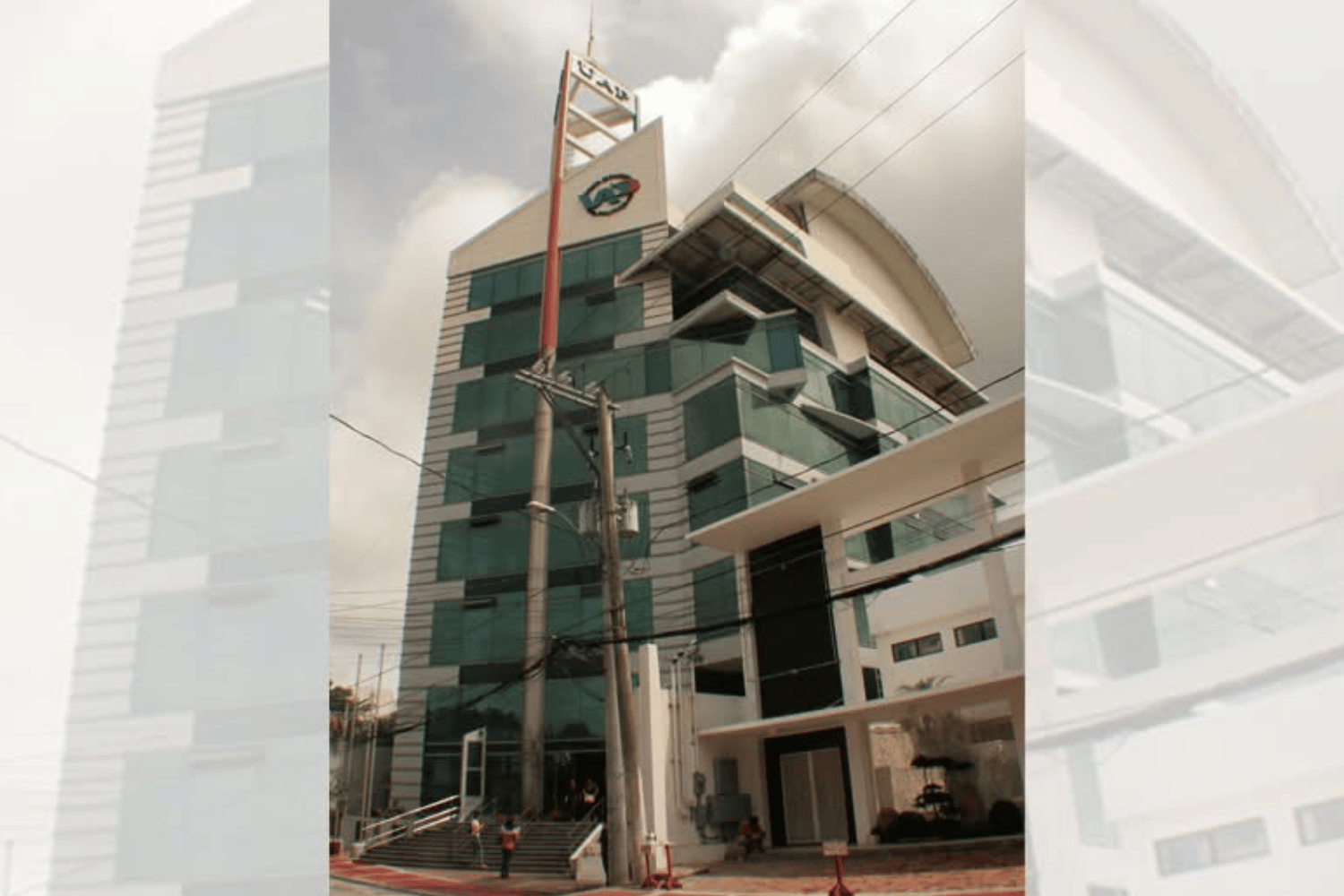
Its simple glass-and-steel design and subtle triangular geometry captured the architectural ideals of the period when it was planned.
The United Architects of the Philippines (UAP) has broken its silence following recent commentary questioning the design of its National Headquarters in Quezon City, acknowledging that the building carries a “symbolic responsibility” to represent the aspirations of Filipino architects.
In an official statement, UAP addressed criticism surrounding its headquarters along Scout Rallos Street following an opinion piece published by radar, which examined why the building has become the subject of jokes, memes and unflattering commentary among some architecture students, professionals and members of the public online.
“The question raised whether the headquarters appears too ordinary for an institution representing the nation’s architects is a fair subject for discussion,” the UAP National Board of Directors said.
But the organization stressed that architectural merit should not be judged by appearance alone.
“Architectural distinction is not measured by visual spectacle alone,” UAP said. “Architecture must also be judged by how effectively it accommodates its purpose, serves its users, adapts through time, and sustains institutional life.”
UAP explains the design
The organization also provided historical context behind the building, which was completed in 2005.
According to UAP, the headquarters was designed by architect Teofilo I. Vasquez, FUAP, whose proposal won a nationwide design competition.
Its “simple lines, glass, and steel,” combined with what UAP described as a “subtle triangular geometry,” reflected the architectural language and aspirations of the period in which it was conceived.
The organization said the headquarters has served Filipino architects for more than two decades, housing offices, meetings, professional activities and other programs.
Photos accompanying the statement highlighted facilities inside the building, including Teatro Arkitekto, an activity center, library and wellness hub.
‘Symbolic responsibility’
The radar opinion piece argued that much of the fascination surrounding the building comes precisely from the institution occupying it.
It asked whether the same structure, stripped of the UAP name, could easily be mistaken for a bank, corporate office or condominium from two decades ago—and whether the headquarters of the country’s architects should itself demonstrate the design excellence the profession promotes.
UAP appeared to acknowledge that tension.
“We recognize that the headquarters bears a symbolic responsibility to represent the profession’s aspirations,” the organization said.
“Architecture is ultimately a dialogue between its time and the future.”
UAP added that it respects differing opinions and welcomes “informed discussion,” while stressing that buildings should be considered according to the historical, programmatic and institutional circumstances under which they were conceived.
The organization ended its statement by reaffirming its commitment to architectural excellence and ensuring that the headquarters continues to serve its members, the profession and the Filipino people “with relevance and dignity.”
The response does not attempt to declare the building beautiful or dismiss those who find it ordinary.
Instead, it leaves the debate with an interesting question: Should the headquarters of the country’s architects be judged primarily by what people see from the street—or by what happens inside it?
READ: