Hi-C quietly disappeared from Philippine retail shelves as Coca-Cola’s local non-carbonated beverage portfolio evolved.
It is recess sometime in the 1980s or 1990s.
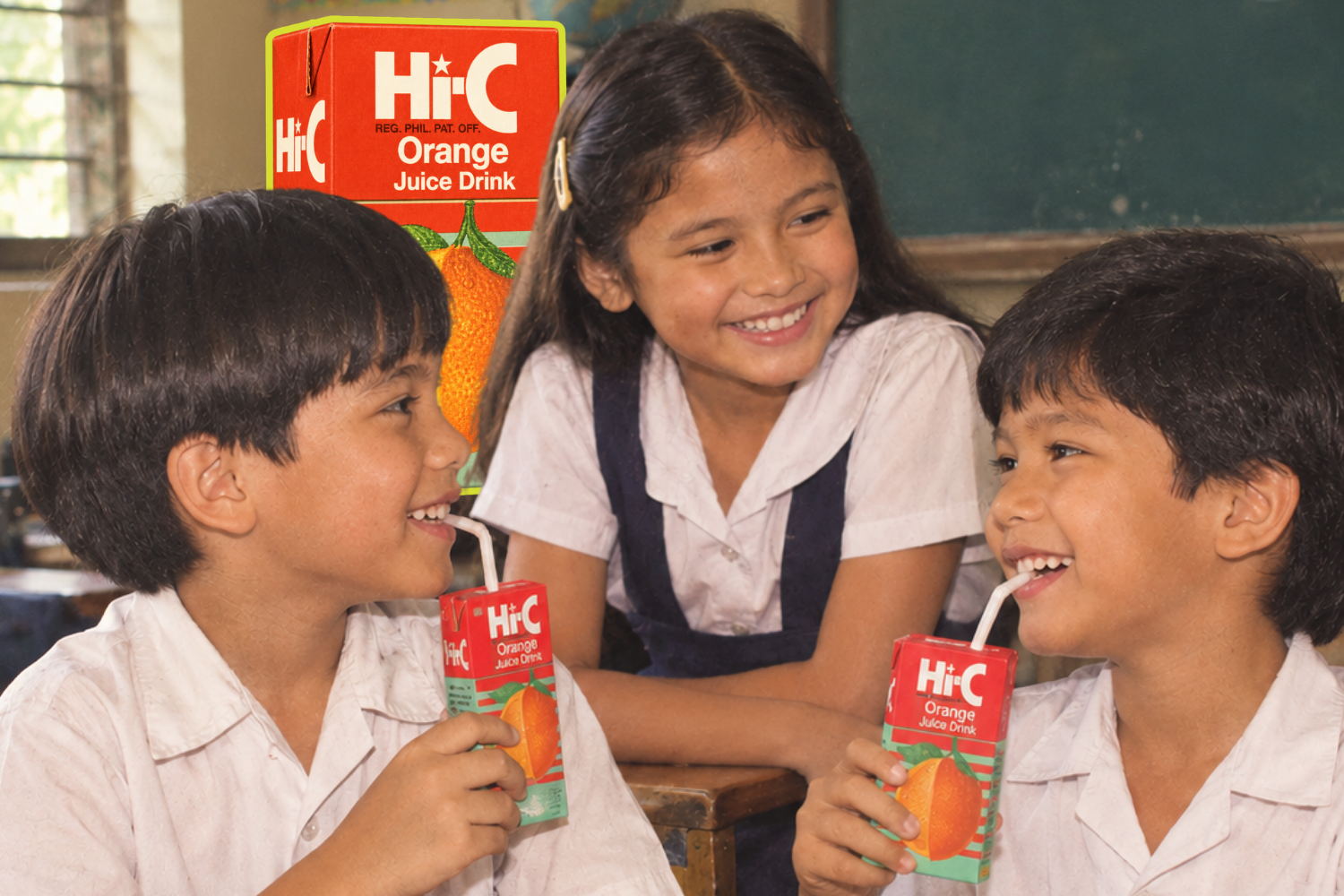
You flip open your plastic lunchbox, pull out your sandwich or biscuits, and reach for the little rectangular carton packed beside them. You poke the straw through the foil opening and take that first sweet sip.
Orange. Apple. Maybe Grape.
It is Hi-C—and for millions of Filipino kids who grew up during those decades, the sight of that tiny juice box can instantly transport them back to school corridors, packed lunches and the sound of the recess bell.
Long before supermarket shelves became crowded with juice pouches and ready-to-drink beverages, Hi-C was among the most recognizable drinks for children. Its multi-pack boxes made it easy for parents to stock up, while its colorful packaging made slipping one into a lunchbox almost automatic.
But Hi-C’s story began decades before it became a Filipino childhood staple.
The drink was created in the United States in 1946 by bottling plant owner Niles Foster, who developed a vitamin C-fortified fruit beverage that could be packaged in cans and stored without immediate refrigeration. Minute Maid acquired the brand in 1954, eventually bringing Hi-C into the Coca-Cola family.
In the Philippines, Hi-C became particularly memorable during the 1980s and 1990s.
Its Orange, Apple and Grape variants became familiar sights in groceries and school lunchboxes. The brand also filled television screens with cheerful commercials and catchy jingles, including a remembered 1988 advertisement featuring character actor Art Stephen as a friendly fruit vendor.
For kids, there was also Hi-C at fast-food restaurants, where a cold fountain serving could turn an ordinary burger-and-fries meal into a childhood treat.
Then the juice-box landscape changed.
Homegrown brands such as Zest-O, Sun Glo and Big 250 aggressively competed for Filipino children’s allowances with inexpensive single-serve pouches. The humble doypack was cheap, portable and available practically everywhere—from supermarkets to neighborhood sari-sari stores.
By the late 1990s and early 2000s, Hi-C was quietly disappearing from Philippine retail shelves as Coca-Cola’s local non-carbonated beverage portfolio evolved.
There was no dramatic goodbye. One day, those familiar little boxes simply became harder and harder to find.
Hi-C itself, however, did not die. The Coca-Cola Company continues to market the brand in the United States, meaning imported versions occasionally find their way into Philippine specialty and membership stores.
But for Filipino Gen Xers, Millennials and ’90s kids, the Hi-C that mattered belongs to another time.
It tasted like recess, packed lunches and childhood afternoons.
And sometimes you do not realize something has become nostalgia until you suddenly notice it is no longer on the shelf.
READ: