Ongcangco acknowledged that seeking legal assistance can be overwhelming, particularly when people do not know where to begin or how much a lawyer’s services might cost.
Professional fees vary depending on the lawyer, while those who cannot afford private legal services may seek assistance through the Public Attorney’s Office (PAO). The Integrated Bar of the Philippines (IBP) also provides guidelines concerning legal services.
“Sometimes nakaka-intimidate. Saan ako hahanap ng lawyer?” she said.
She hopes e-Panyero’s full launch will eventually provide a tool for connecting more lawyers with individuals and communities seeking legal assistance.
Making law less intimidating
Beyond helping people find legal professionals, e-Panyero wants to address another challenge: making legal information easier to understand.
Moeller said the organization sees public discussions as an opportunity to promote legal literacy, particularly among young Filipinos who may find legal matters difficult to navigate.
“We at e-Panyero really see the value in having information drives like this. We’re very passionate about spreading legal literacy among Filipino youth, especially,” he said.
Ongcangco added that Filipinos need spaces where they can ask questions about laws and current developments, rather than simply look for lawyers when legal problems arise.
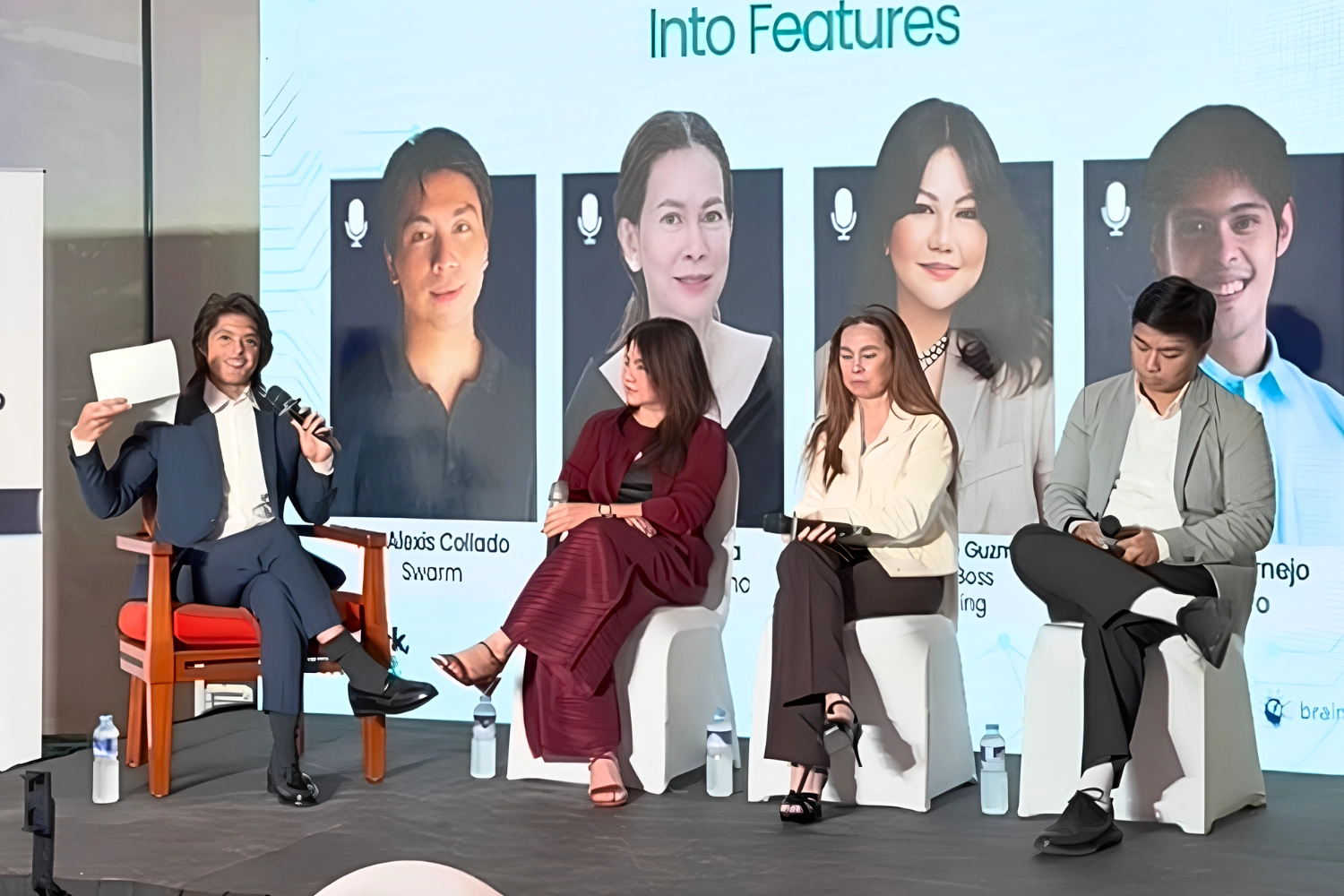
The November 5 gathering is the first of several activities the organization intends to organize, with plans for more in-person and digital discussions.
“This event that we have today is just one, the first of very many to come,” Moeller said, encouraging the public to follow e-Panyero’s social media channels for future activities.
Children’s online safety in focus
The forum also tackled two proposed measures seeking stronger protection for Filipino children online: the Senate’s SMART KIDS Act (Senate Bill No. 2424) and the House’s SAFE Kids Act (House Bill No. 11566).
The two proposals differ on how young Filipinos should access social media. The Senate measure proposes a minimum social media age of 18, while the House version allows users aged 13 to 17 to access platforms with parental consent and certain restrictions.
They also differ in their approaches to age verification, privacy safeguards, and penalties.
As the measures head to a bicameral conference committee, discussions like the one organized by e-Panyero highlight the importance of helping parents, young people, and the wider public understand the laws that could shape their digital lives.