The Spanish colonial government executed José Rizal on December 30, 1896, but his family’s ordeal did not end at Bagumbayan. His body disappeared into an unmarked grave, leaving his relatives desperately searching for his remains.
According to the National Historical Commission of the Philippines (NHCP), Rizal was secretly buried at Paco Cemetery on the day of his execution. His grave was guarded by the Guardia Civil Veterana for 15 days.
His mother, Teodora Alonso, wanted a proper burial for her son. Instead, Spanish authorities concealed his resting place.
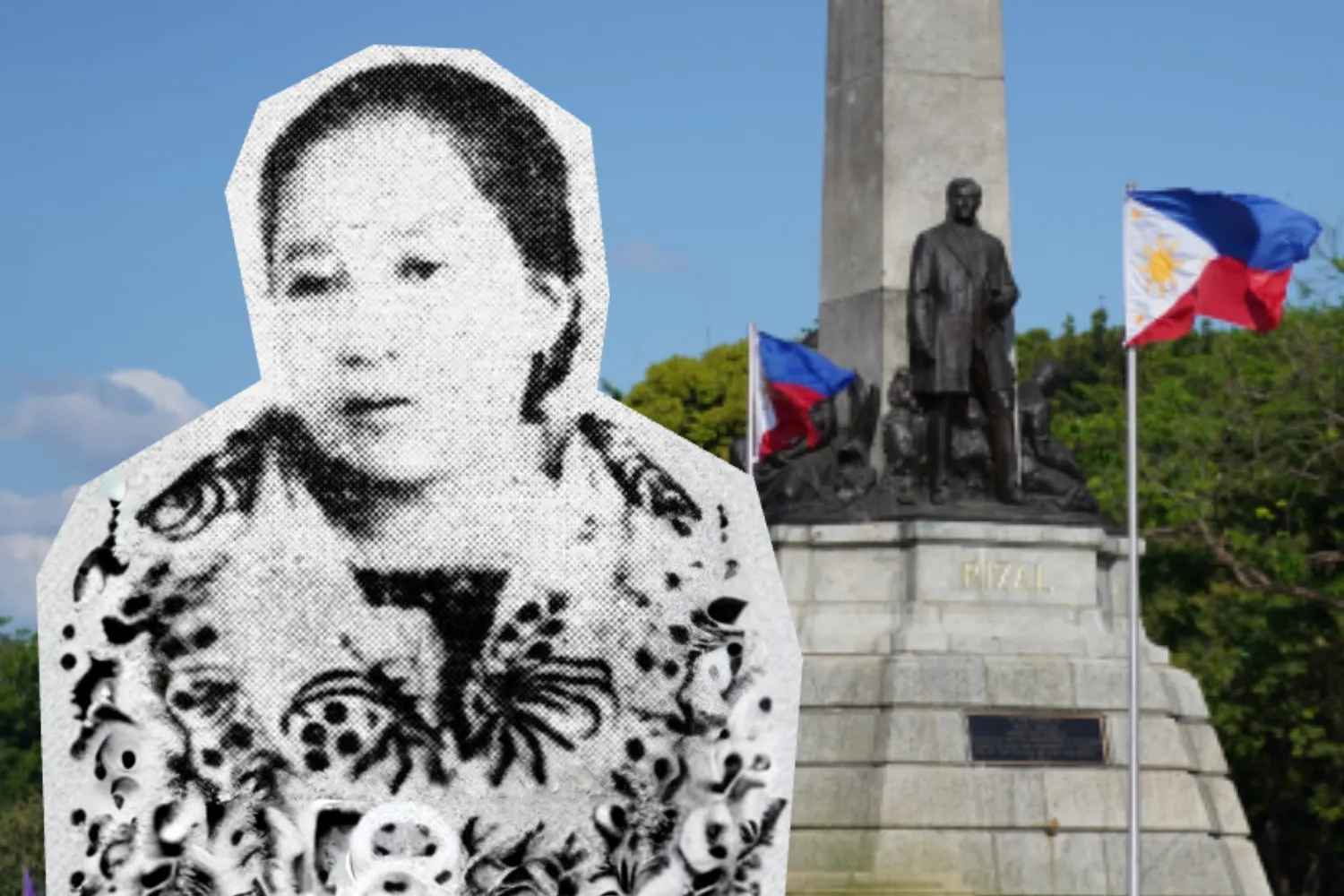
His sister Narcisa refused to give up.
In “Lolo Jose: An Intimate Portrait of Rizal,” family descendant Asuncion Lopez Bantug recounts how Narcisa searched several cemeteries before discovering freshly disturbed earth at Paco.
She arranged for a marble slab bearing the initials “R.P.J.”—Rizal’s initials in reverse—to identify the grave without attracting unwanted attention.
The Intramuros Administration’s Museo ni Rizal confirms that Narcisa located the burial site two days after the execution.
The secrecy had a purpose. According to a historical feature published by VERA Files, Spanish authorities wanted to prevent Rizal’s grave from becoming a rallying point for Filipino revolutionaries.
On August 17, 1898, the family finally exhumed his remains.
Historical accounts cited by VERA Files describe Rizal’s body as having been buried without a coffin, still wearing his recognizable black suit.
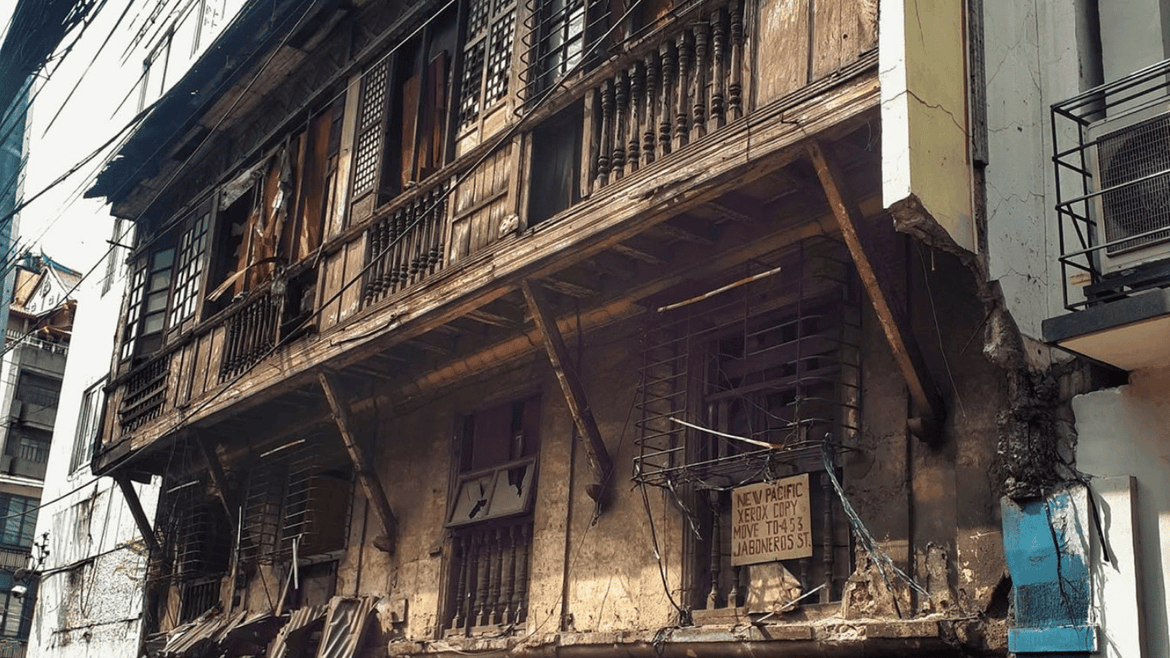
His remains were placed in an urn and preserved at the family’s residence in Binondo, Manila.
The Supreme Court, in its 2017 decision in “Knights of Rizal v. DMCI Homes,” also documented the secret burial, exhumation, and preservation of his remains.
On December 30, 1912, Rizal’s remains were transferred to Luneta. His monument was inaugurated on December 30, 1913.
Today, Paco Park preserves the site of his original burial, while his remains rest beneath the Rizal Monument.
The Spanish authorities concealed his grave to discourage public veneration. More than a century later, the story of how his family found him remains part of Philippine history.