Poetry has always held a special place in the hearts of Filipinos. And every Nov. 22, we celebrate Pambansang Araw ng Pagtula to appreciate the poets and works that have shaped our literary culture.
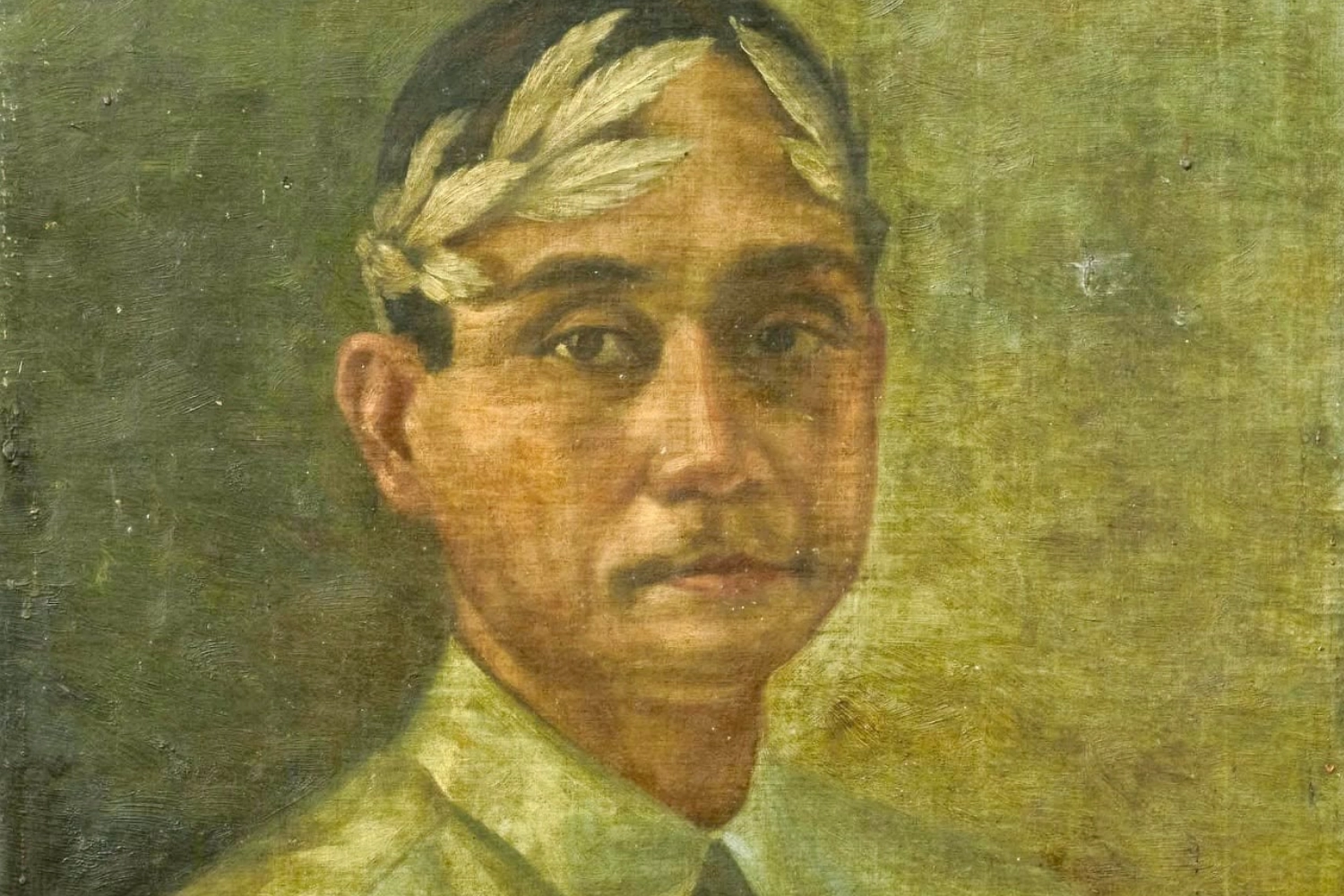
The date marks the birth anniversary of José Corazón de Jesús, better known as Huseng Batute. Born on Nov. 22, 1894, he earned the title “Hari ng Balagtasan,” referring to the traditional Filipino poetic debate in which performers trade arguments through rhymed verses.
During the American occupation, Batute used poetry and satire to comment on social conditions and give voice to the Filipino longing for independence. His column “Buhay Maynila,” published in Taliba, was among the platforms he used to engage with the issues of his time.
His literary output was prolific: he reportedly published around 4,000 poems in his Taliba column Buhay Maynila and another 800 under the column Ang Lagot na Bagting, with works also appearing in Liwayway, El Debate, and Sampaguita. He also wrote the lyrics of the patriotic song “Bayan Ko.”
The first National Poetry Day was celebrated in 2022, led by National Artist for Literature Virgilio Almario and a group of Filipino poetry advocates. The initiative sought to bring greater attention to poetry and encourage appreciation for the country’s literary voices.
It also builds on an earlier effort to honor the art form: Proclamation No. 2438 declared Nov. 18 to 24 as National Poetry Week in 1985.
Quezon City later designated Nov. 22 as Araw ng Pagtula through Executive Order No. 19, series of 2023. The order calls for the annual observance in elementary and secondary schools nationwide and directs the integration of poetry writing, reading, and performances into Quezon City government events. If the event that it falls on a weekend, it will be observed “on the Friday following the special day.”
Keeping that spirit of writing and sharing poetry alive is indie literary publisher San Anselmo Publications, which holds its annual Pambansang Hamon sa Pagtula.
The contest, done online via Facebook, challenges participants to respond to 10 prompts over the course of two weeks. While the 2024 and 2025 editions released prompts daily, this year’s edition spaced them out every other day.
Each prompt comes with a shortlist of five entries, sometimes six, giving readers a chance to discover different takes on the same theme. Selected works then advance to an overall shortlist, from which the top three winners are chosen. The first place winner receives ₱12,000, the second place winner ₱8,000, and the third place winner ₱5,000. Shortlisted participants receive ₱1,000.
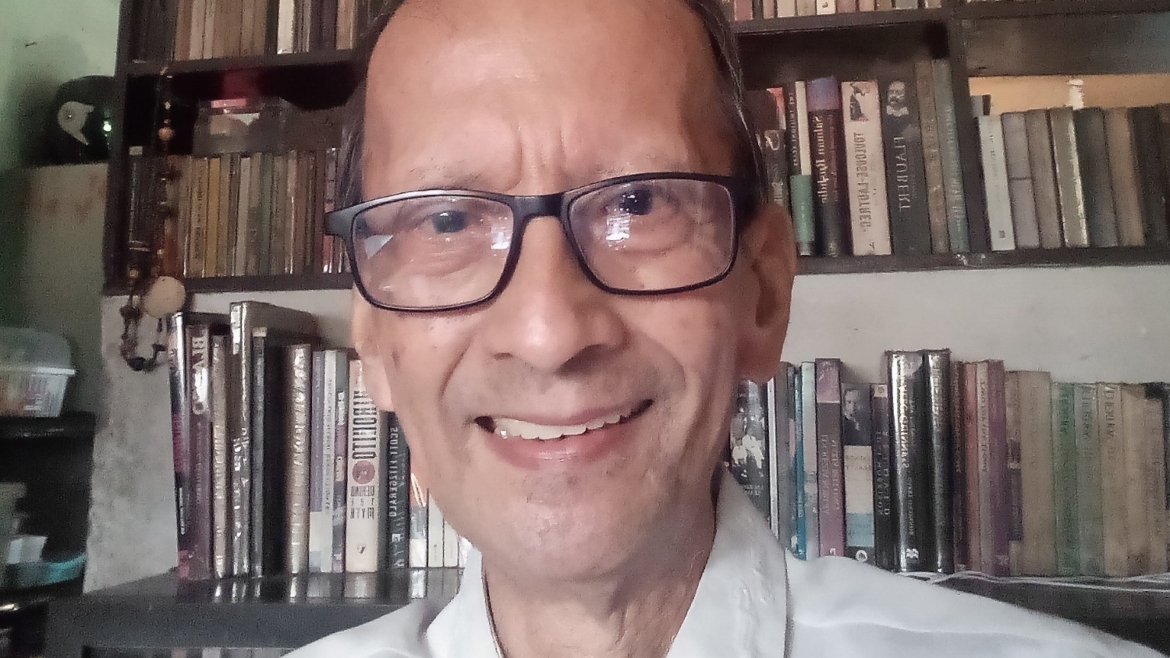
Those who complete all 10 prompts also receive the EDSA Award, named in honor of the late poet and fictionist Edelio “EDSA” de los Santos, a regular participant in the contest. His work appeared in San Anselmo’s Santelmo magazine, and he contributed to Literary Tuesdays, the poetry segment of the Baguio-based news and literary outlet Mountain Beacon.
The Pambansang Araw ng Pagtula celebration continues on Nov. 28 with DIWANG: Sagisag Kultura ng Filipinas Competition at the MICE Center of Quezon City Hall. The day’s program includes poetry and cultural performances, the awarding of the Pambansang Hamon sa Pagtula winners, and a poetry book fair.