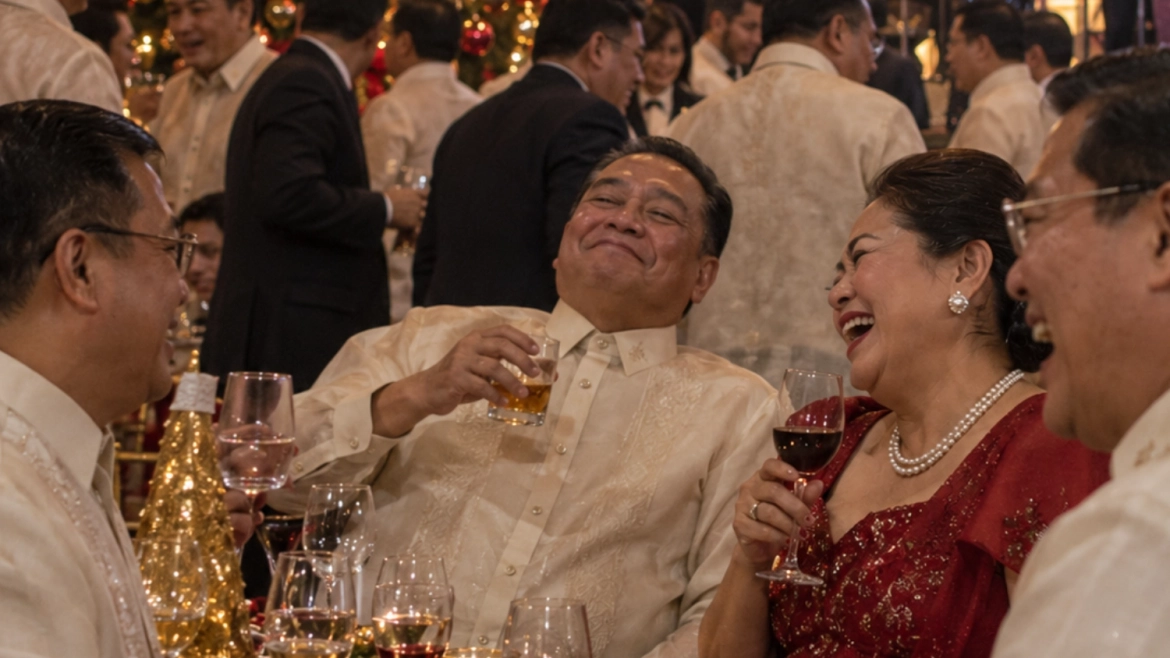
Your boss orders you to dance at the Christmas party, rehearse after office hours, contribute money for the celebration, and attend even if you don’t want to. Refuse, and you risk receiving a memo or a poor performance evaluation.
What many companies consider harmless Christmas traditions could actually violate Philippine labor laws.
The Department of Labor and Employment (DOLE) has reminded employers that Christmas celebrations should respect employees’ rights, personal preferences, and religious beliefs.
Forced singing and dancing
DOLE has warned that forcing employees, particularly new hires, to perform at Christmas parties may constitute workplace bullying.
Under Article 297 of the Labor Code, dismissal requires legally recognized just causes. Refusing an unrelated party performance does not automatically constitute misconduct.
Republic Act No. 11313, or the Safe Spaces Act, may also apply when coercion involves gender-based sexual harassment.
Unpaid rehearsals
Requiring employees to rehearse after office hours without compensation may violate Articles 84 and 87 of the Labor Code.
Article 84 defines compensable working hours, while Article 87 requires at least 25% additional pay for qualifying overtime work.
Article 93 also generally requires a 30% premium for covered employees working on their scheduled rest days.
Mandatory rehearsals may qualify as compensable work depending on the circumstances.
Compulsory party contributions
Employers cannot arbitrarily deduct Christmas party expenses, costumes, or exchange-gift contributions from salaries.
Article 113 of the Labor Code restricts wage deductions, while Article 116 prohibits withholding wages or compelling workers to surrender wages through intimidation or threats without consent.
Even employee consent does not automatically make every payroll deduction lawful.
Mandatory attendance
Threatening employees with disciplinary action for skipping unpaid, after-hours celebrations may raise labor-law concerns.
Under Article 84 and the Labor Code’s implementing rules, time employees are required to devote to their employer may qualify as compensable working time.
Withholding 13th-month pay
Presidential Decree No. 851 requires payment of statutory 13th-month benefits to covered rank-and-file employees no later than December 24.
Employers cannot condition this legally mandated benefit on party attendance, performances, or financial contributions.
Religious discrimination
DOLE has also reminded companies to respect employees who decline Christmas activities because of their religious beliefs.
Coercion, harassment, or retaliation may expose employers to labor complaints, depending on the circumstances.
Christmas parties should celebrate employees, not exploit their willingness to please management.
No employee should have to sacrifice dignity, wages, or statutory benefits just to entertain the boss.