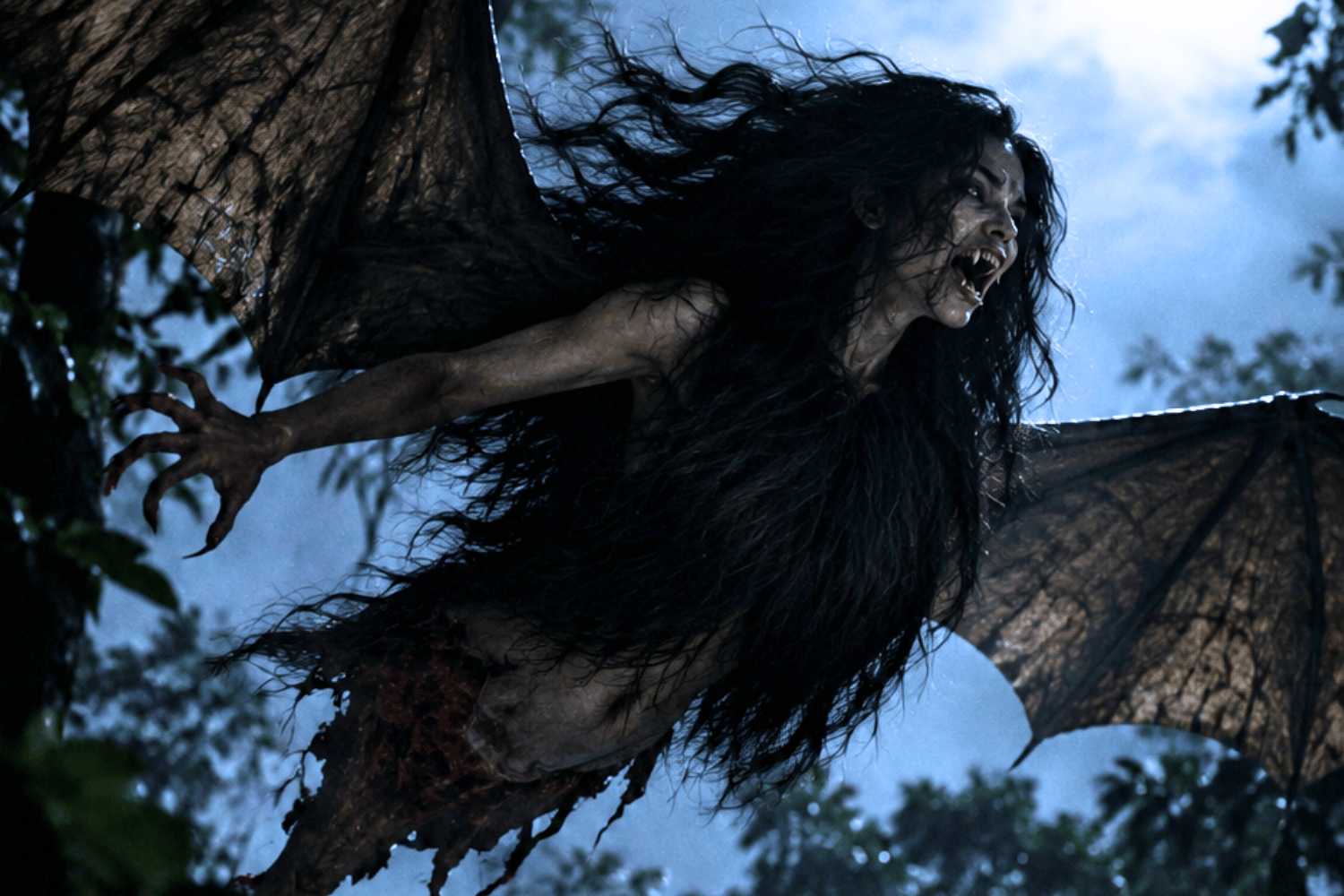
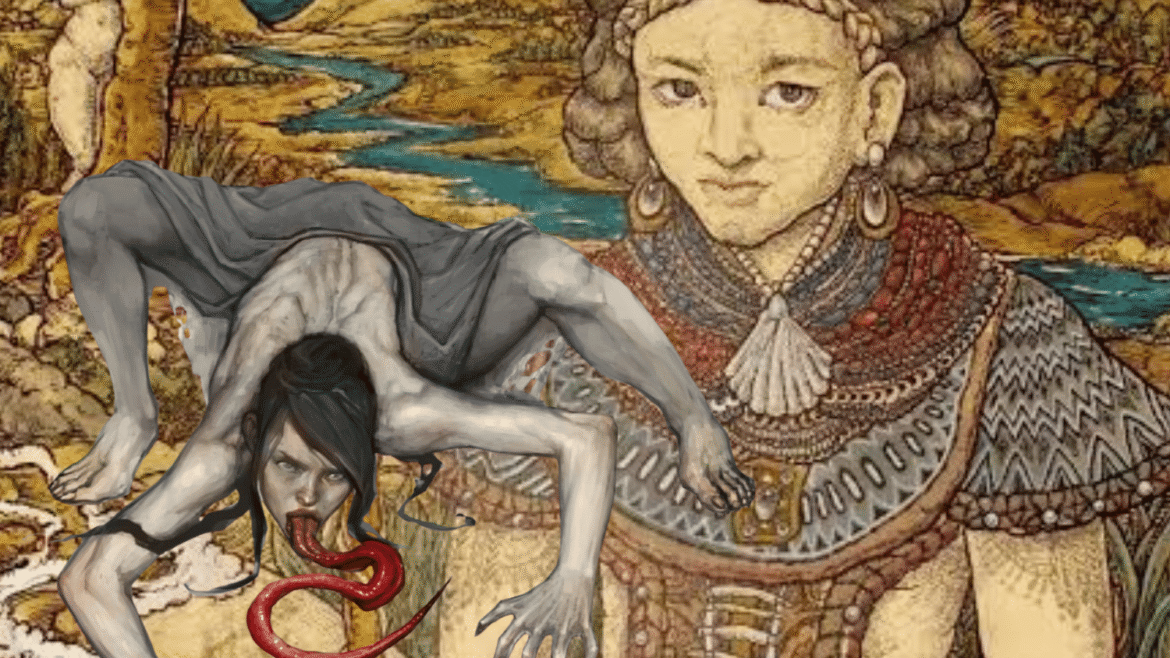
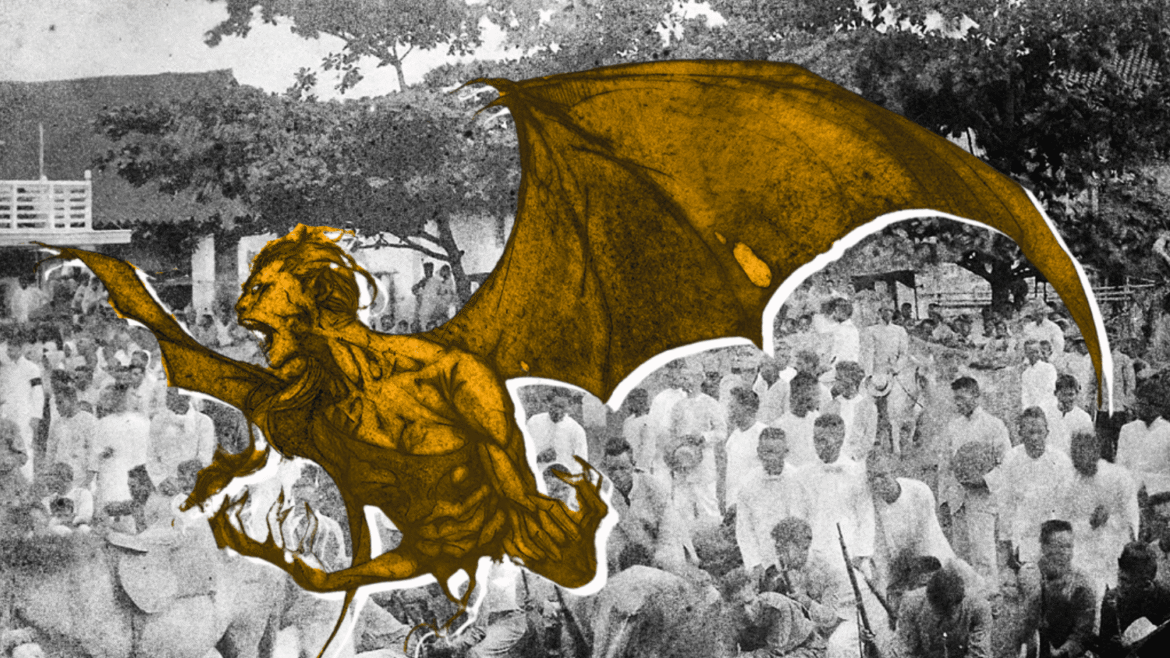
The manananggal existed before the Spanish arrived, but colonial religion reshaped its image into an evil monster.
A pregnant woman loses her unborn child in a precolonial Philippine village. With no medical explanation, frightened neighbors suspect a supernatural creature that attacks mothers at night.
Beliefs about shape-shifters and body-separating beings were already part of indigenous Philippine folklore. But during Spanish colonization, these beliefs increasingly became associated with witchcraft, demons, and evil.
Some historians believe this transformation was connected to the suppression of the babaylan, powerful indigenous spiritual leaders who were often women.
From spirits to monsters
Precolonial Filipinos believed in supernatural beings that could influence health, fertility, and death. Not all spirits were considered purely evil.
The babaylan, meanwhile, served as healers, ritual specialists, and spiritual authorities. Their knowledge of medicine and childbirth gave them considerable influence.
Spanish missionaries challenged that authority by condemning indigenous religious practices as superstition and devil worship.
Historian Carolyn Brewer’s research documents how colonial religious influence marginalized the babaylan and associated indigenous spiritual practices with witchcraft.
When the healer became the villain
In a 2017 study published in UNITAS, University of San Carlos scholar Hope Sabanpan-Yu examined how the manananggal’s image could represent an inversion of the babaylan.
The contrast was disturbing: women traditionally associated with healing and childbirth became linked to a monster that consumed unborn children.
The transformation was not necessarily literal. Scholars interpret it as part of colonial efforts to discredit indigenous spiritual authority.
The 1589 record
Franciscan missionary Juan de Plasencia documented a creature called the magtatangal in his 1589 account, Customs of the Tagalogs.
Unlike today’s winged manananggal, the early description involved a being that could remove and restore its head.
Over time, the familiar image of a woman separating her upper torso and hunting pregnant mothers became embedded in Philippine horror folklore.
There is no conclusive evidence that Spanish friars invented the modern manananggal. But research suggests colonial religion helped reshape its meaning.
The creature may have existed before the Spanish arrived. What changed was how society understood supernatural power—and the women who possessed it.
READ: