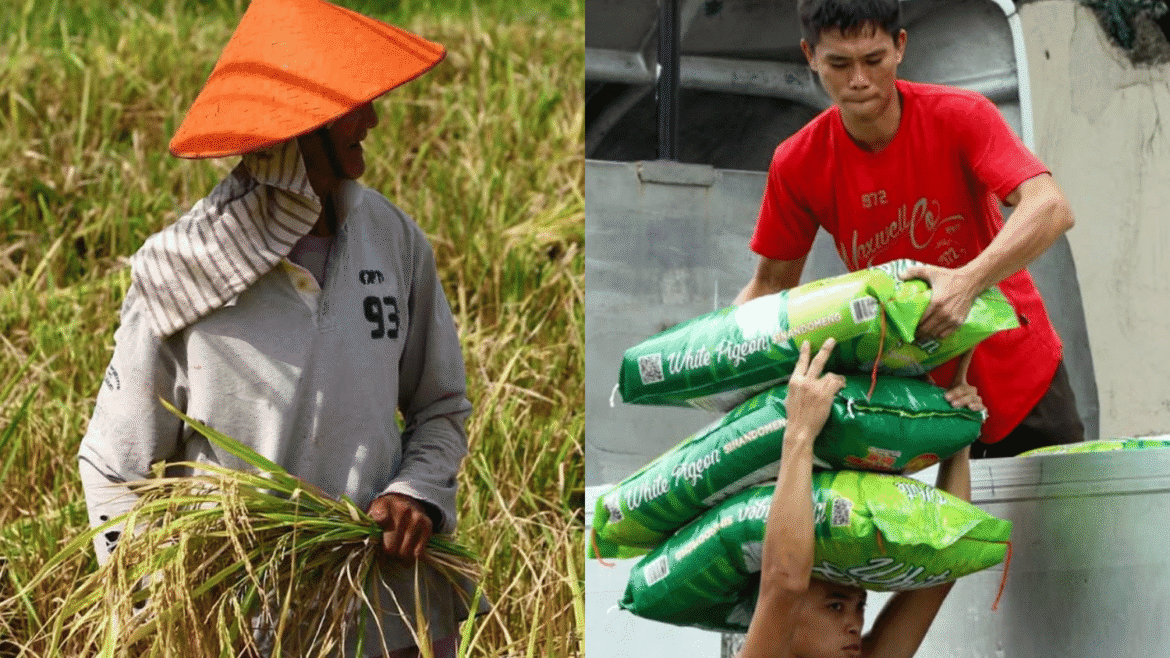
The Philippines imported around 4.49 million metric tons of rice in the first 10 months of 2026 alone, bringing the country close to its record annual volume as local farmers continue to face financial pressure from production costs and low palay prices.
Data from the Bureau of Plant Industry showed that rice import arrivals already surpassed the 3.39 million MT imported throughout 2025.
The latest volume is approaching the full-year record of 4.81 million MT recorded in 2024, with the Department of Agriculture projecting imports to reach around five million MT this year as El Niño threatens domestic production.
Vietnam remained the country’s largest rice supplier, accounting for 2.79 million MT of imports during the first 10 months, followed by Thailand with 666,201 MT and Myanmar with 505,740 MT.
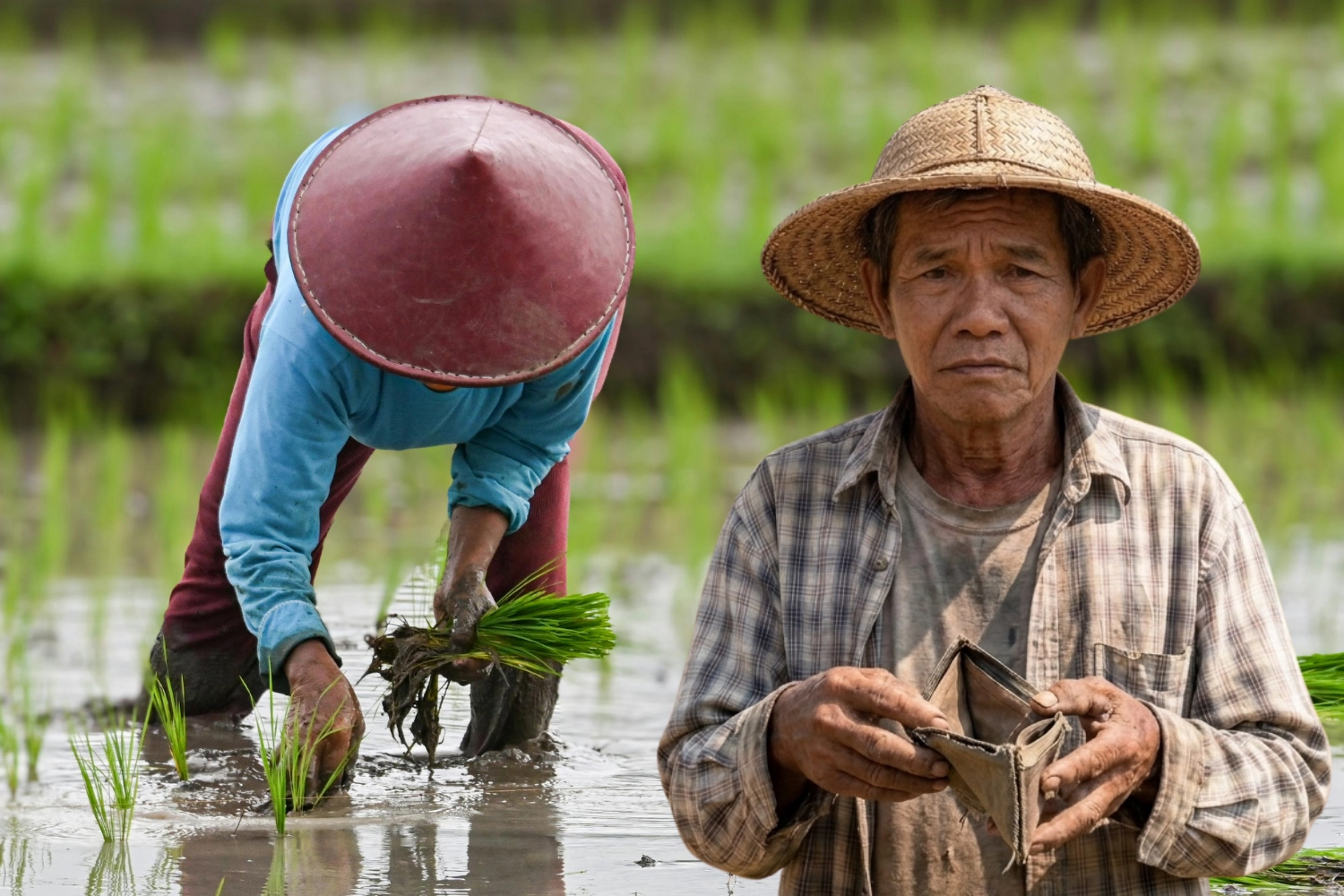
The surge in imports comes as the country’s rice farmers continue to contend with rising production costs and low returns from their harvests.
The Department of Agriculture previously reported that farmgate prices of palay fell to around ₱14 to ₱16 per kilogram during several months in 2025, reaching approximately ₱15.80 in September. This followed an increase in imports that contributed to a domestic oversupply.
The government attributed the subsequent recovery in palay prices to the four-month suspension of rice imports from September to December 2025, which tightened domestic supply and improved farmers’ bargaining position.
The Philippine Statistics Authority reported that the seasonally adjusted average farmgate price of palay stood at ₱22.05 per kilogram in the third quarter of 2026, slightly lower than the ₱22.14 recorded in the previous quarter.
Farmer groups have also warned that the volume of imported rice entering the country has been hurting local producers, with the Federation of Free Farmers estimating that import surges have resulted in around ₱50 billion in annual losses for domestic rice farmers.
The groups argued that excessive imports, particularly when local farmers are harvesting their crops, can create an oversupply that pushes down the prices they receive for palay.
The country’s continued dependence on foreign rice also comes amid its limited capacity to meet domestic demand through local production. PhilRice data placed the country’s rice self-sufficiency ratio at 78% in 2025.
While imports help fill the gap between domestic supply and consumption, the growing volume raises concerns about how the country can protect farmers’ incomes and strengthen local production without compromising rice availability and affordability for consumers.