What are vanity awards?
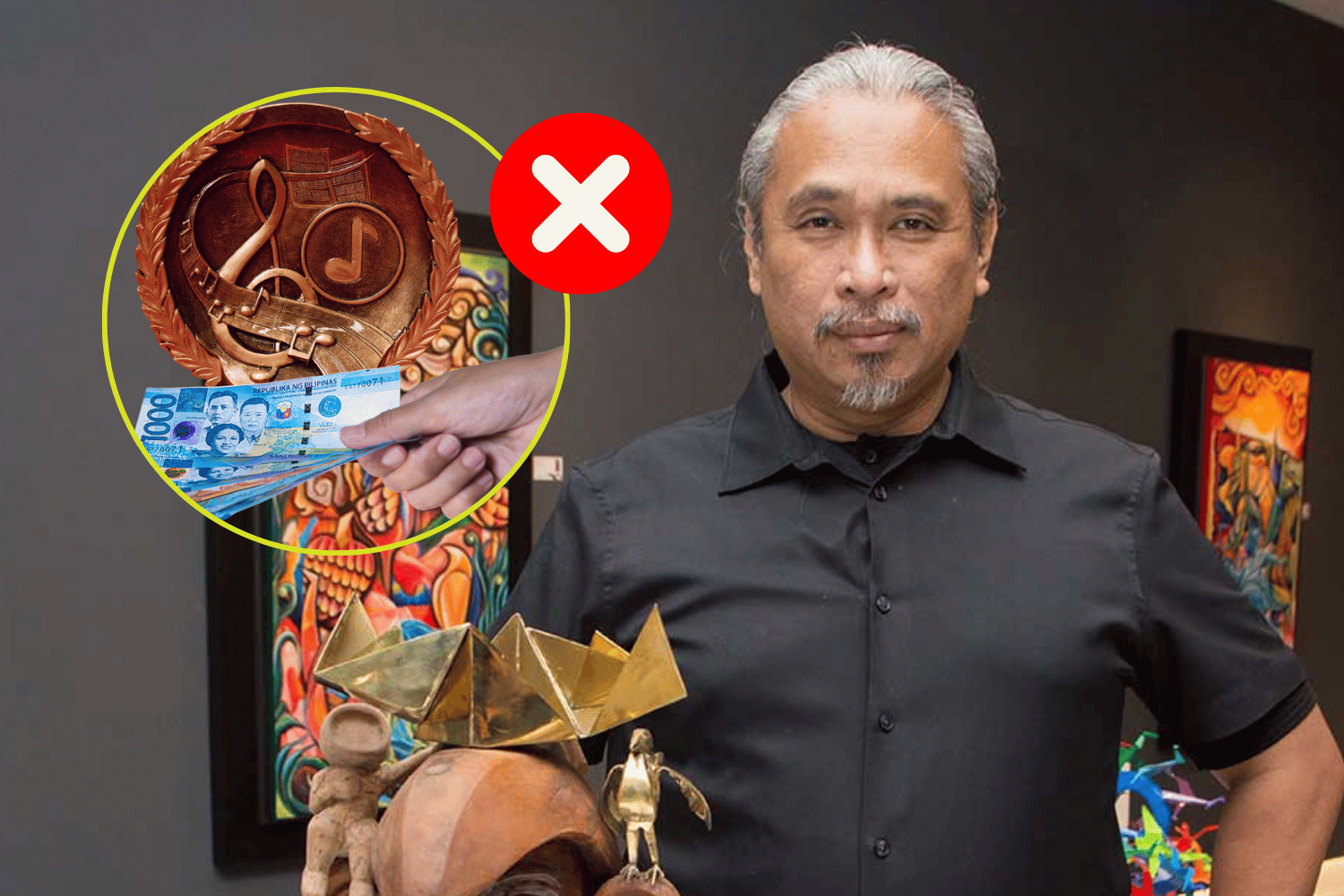
Vanity awards are “pay-to-play” recognition schemes in which individuals or organizations effectively purchase accolades instead of earning them through a competitive, merit-based selection process.
The scheme often begins with an unsolicited email or message informing recipients that they have supposedly been nominated or selected for a prestigious honor. To officially receive the award, however, they are required to pay for trophies, gala tickets, promotional packages, logo licensing, or inclusion in a winners’ directory.
Experts say several warning signs commonly accompany these awards. These include unexpected nominations for awards applicants never entered, mandatory fees to claim a prize, vague or undisclosed judging criteria, the absence of an identifiable panel of judges, little information about previous winners, and websites that rely heavily on marketing language while offering few verifiable details about the selection process.
Why they should be avoided
Industry observers caution that while vanity awards may provide short-term publicity, they often carry long-term reputational risks.
Professionals who advertise purchased accolades risk losing credibility once clients, employers, investors, or peers discover that the recognition was not earned through an independent evaluation. Instead of signaling excellence, such awards may be perceived as paid marketing rather than genuine achievement.
Beyond reputational damage, recipients may also spend thousands on recognition that provides little measurable return. Some experts likewise warn that certain operators collect extensive personal or corporate information during the application process, exposing participants to potential phishing attempts or identity theft.
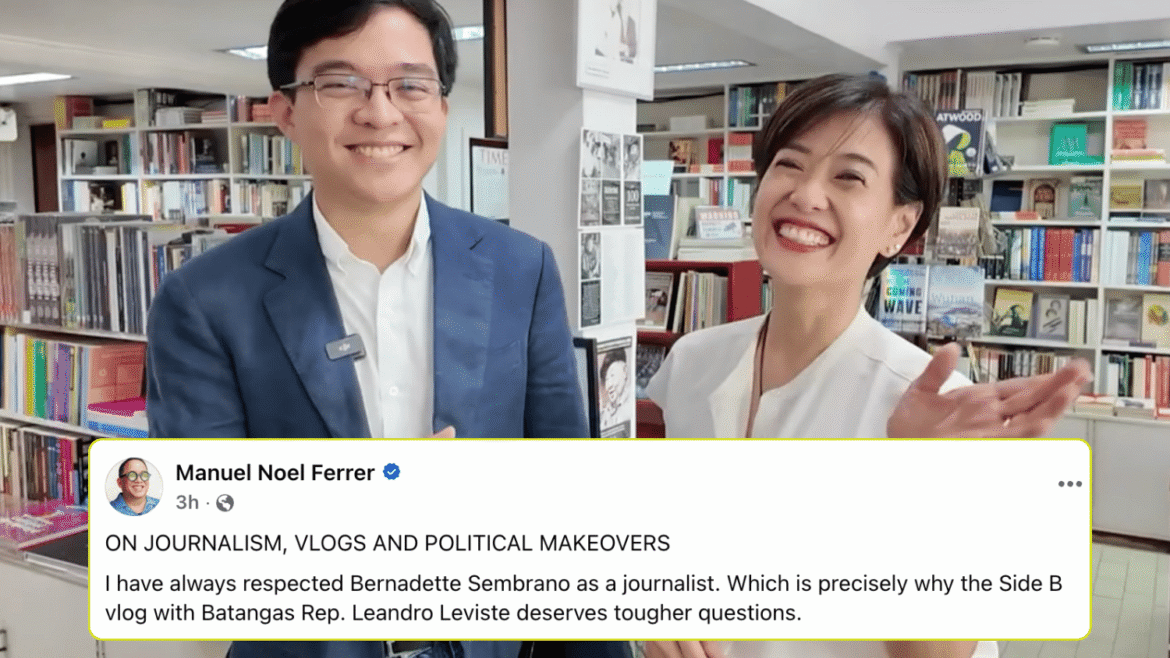
As discussions around vanity awards continue online, both Imao and Ferrer urged creatives, educators, and professionals to carefully investigate award-giving organizations before accepting or promoting any recognition—especially when payment is required before an award can be claimed.
READ: