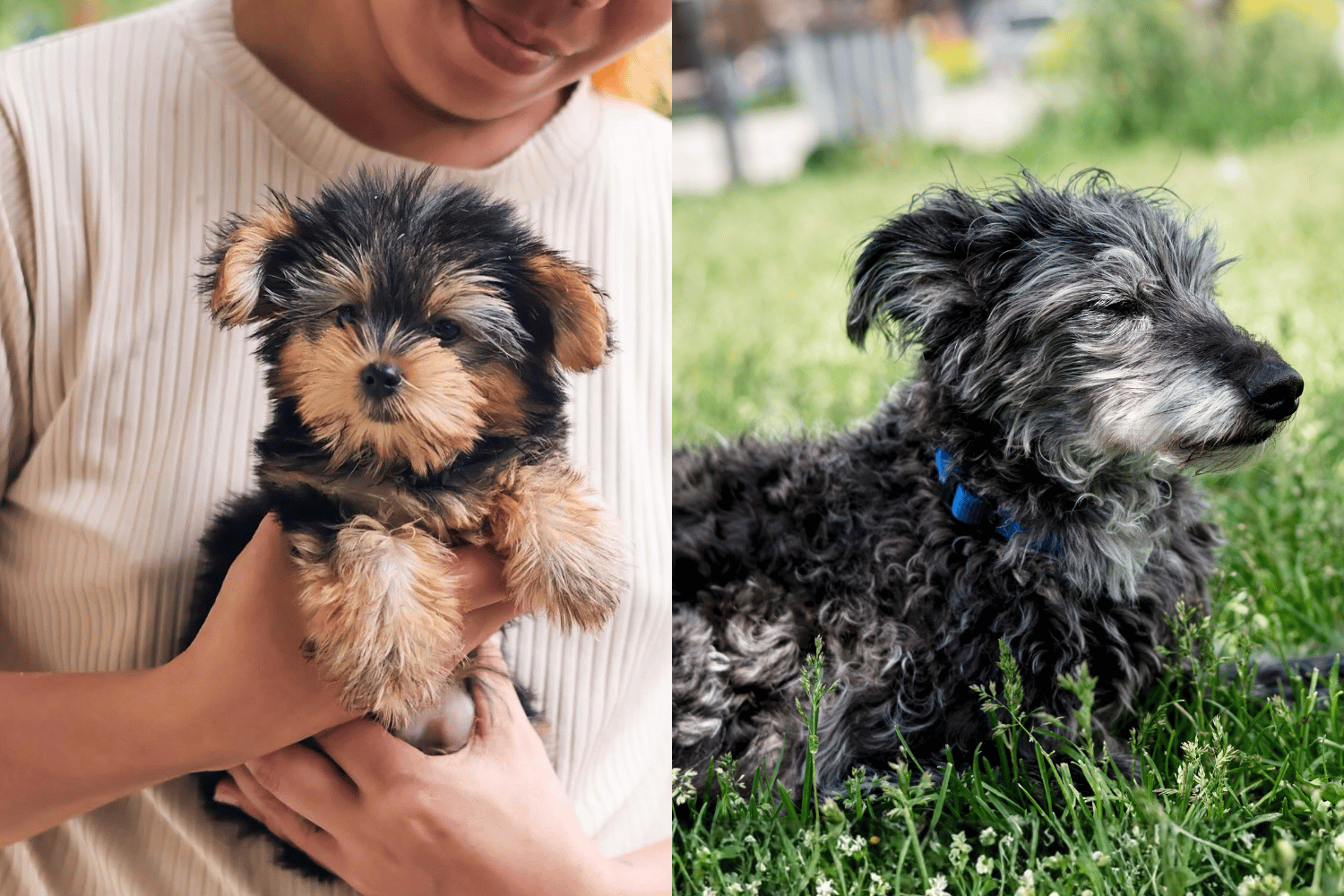
The best you can do is stay present for all of it.
You probably have a pet. Maybe it’s your first one, the dog you brought home one day and became your companion throughout the lockdown, the cat who curled up next to you on the nights you thought you couldn’t get through. For a while, they’re just there. A constant. Something you don’t have to think much about because they’ve simply become part of your daily life.
And then, one day, you notice.
The stairs take a little longer to climb. The ears that used to perk up at the sound of a treat bag start to respond a little slower. The cat who used to leap onto the counter now just looks at it, and looks at you, as if to say I remember when I could do that.
People talk about raising a pet, the training, the vet visits, as if that’s the whole story. But nobody gives you a manual to prepare you for the other end of it. Nobody prepares you for the particular grief of watching something slowly lose its life to old age. Even if you have a healthy pet, you will very likely outlive it. It is expected, but something we manage to forget until the moment we finally can’t.
There’s a strange kind of grief we experience even before losing them. Psychologists call it anticipatory grief. It’s the kind of sadness that shows up even while your pet is still here, doing all the small things that made you love them in the first place. It’s when you start grieving for how they were a few months or years ago.
And then people tell you, “you can always get a new one.”
We know people mean well when they say this. But sometimes, they say it too early or too easily, as if almost ten years of routines and story times with the unwilling creature can simply be replaced by getting another one of roughly the same species. But grief doesn’t work like restocking something of the same brand or kind. You can give a future pet the same love and attention, but still not be able to replace this one. The idea skips the actual pain of loving something so temporary. The day you brought them home, you signed up to care for them for as long as they live.
There is no five-step recovery plan for this, and I wouldn’t trust anyone who would offer one. But a few things seem to help, gathered from people who have been through it and come out the other side still capable of loving again.
Slowing down is information
A pet who sleeps more wants you closer, not further away. Grief has a way of pulling us back from something preemptively, but loving less now doesn’t mean it will hurt less later. It only means it’s your cue to spend more time together.
Talk to your vet before you need to
Regular checkups and honest conversations about your pet’s quality of life ease some of the helplessness you could feel when the time comes. Take the opportunity to learn how you can make things comfortable for both of you.
Grieve in advance and don’t apologize for it
If you find yourself feeling overwhelmed and tearing up at the thought, that’s not you being dramatic. It’s exactly what love means when it knows its clock is ticking. You don’t need to justify it to anyone.
Lean on people who get it
Pet loss is still a loss. Find friends or communities who understand that and let them hold some of the weight with you.
When the time comes, let yourself feel it
Not every pet owner will get a clean, gradual ending. Some pets pass away suddenly; some require a decision no one wants to make. Don’t rush yourself through the process of grieving just because someone else thinks “it’s just a pet.”
Watching a pet grow old isn’t a problem to be solved. It’s the second half of the story you agreed to when you first picked them up, or they first picked you. The best you can do, maybe the only thing you can do, is stay present for all of it, not because it doesn’t hurt, but because loving less to hurt less later was never really love to begin with.
So no, you can’t always get a new one. And that’s exactly why the one you have now is worth every ounce of attention you can give it, for as long as you’re lucky enough to have it.
READ:
Love alone is not enough to own a pet
Mia Capio
August 4, 2026

How to keep your pets safe during a typhoon
Top Dagohoy
August 9, 2026
OPINION: When the flood rises, pets need an evacuation plan, too
John Lloyd Aleta
August 9, 2026