Electrified vehicles now account for 18% of the market while overall auto sales outperform expectations despite fuel price concerns.
The Philippine auto industry picked up speed in May, with vehicle sales posting a strong rebound and demand for electric and hybrid models continuing to gain momentum.
The Chamber of Automotive Manufacturers of the Philippines, Inc. (CAMPI) and the Truck Manufacturers Association (TMA) reported combined sales of 33,532 units in May, up 24% from April. When estimates from non-member brands are included, total industry sales reached around 35,200 units, 6.9% higher than the previous month.
CAMPI and TMA said May has historically been a stronger month following a softer April market. This year’s performance, however, also suggests that consumers and businesses remain willing to make major purchases despite concerns over fuel prices and broader economic uncertainty.
The industry group said more stable fuel prices helped drive demand for conventional vehicles, with sales of internal combustion engine (ICE) models growing 32% from April.
“Our overall market outlook has improved with actual vehicle sales performing better than previously expected despite the fuel crisis,” CAMPI President Jose Maria Atienza said.
Toyota Motor Philippines Corp. remained the country’s top-selling automotive brand in May with 17,076 units sold. Mitsubishi Motors Philippines Corp. followed with 5,415 units, while Suzuki Philippines Inc., Ford Motor Company Philippines, and Isuzu Philippines Corp. rounded out the top five.
At the same time, electrified vehicles continued to carve out a larger share of the market.
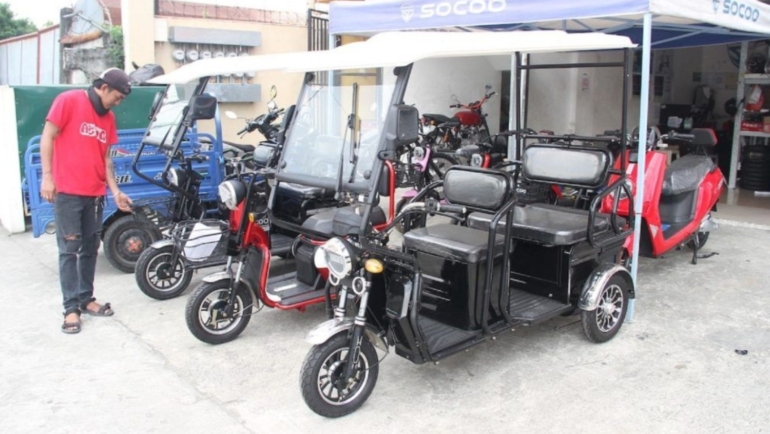
Sales of electrified vehicles, or xEVs, from January to May have already doubled compared with the same period last year, according to CAMPI and TMA data. As a result, xEVs now account for 18% of total vehicle sales, up from 9% a year ago.
The rapid growth points to rising interest among Filipino motorists who are looking beyond traditional gasoline and diesel-powered vehicles. Electric and hybrid models are increasingly attracting mainstream buyers as consumers weigh long-term fuel costs and explore newer mobility options.
“We continue to see expanding demand for Electrified Vehicles (xEVs), with cumulative January-to-May sales already doubling versus last year. xEVs now account for 18 percent of the total market, up 9 points year-over-year. The accelerating growth trend is only held back by availability constraints resulting from sudden demand surge,” Atienza said.
According to CAMPI, demand for electrified vehicles is growing faster than available supply, creating inventory challenges for manufacturers and distributors. The group said stronger sales could have been recorded if more units were readily available to buyers.
The trend comes as carmakers continue to expand their electric and hybrid offerings in the Philippines, giving consumers more choices across different price points and vehicle segments.
With overall vehicle sales outperforming expectations and electrified models claiming a growing share of the market, the industry is heading into the second half of the year on firmer footing than many had anticipated.
READ: