The 20% benefit is meant for the PWD receiving the service and cannot be transferred or pooled with other PWD discounts.
A PWD discount is meant for the PWD, not their child, parent, sibling, or aunt. It goes without saying—or maybe it does need reiterating—that the privilege is non-transferable.
Yet things can get surprisingly messy at the counter.
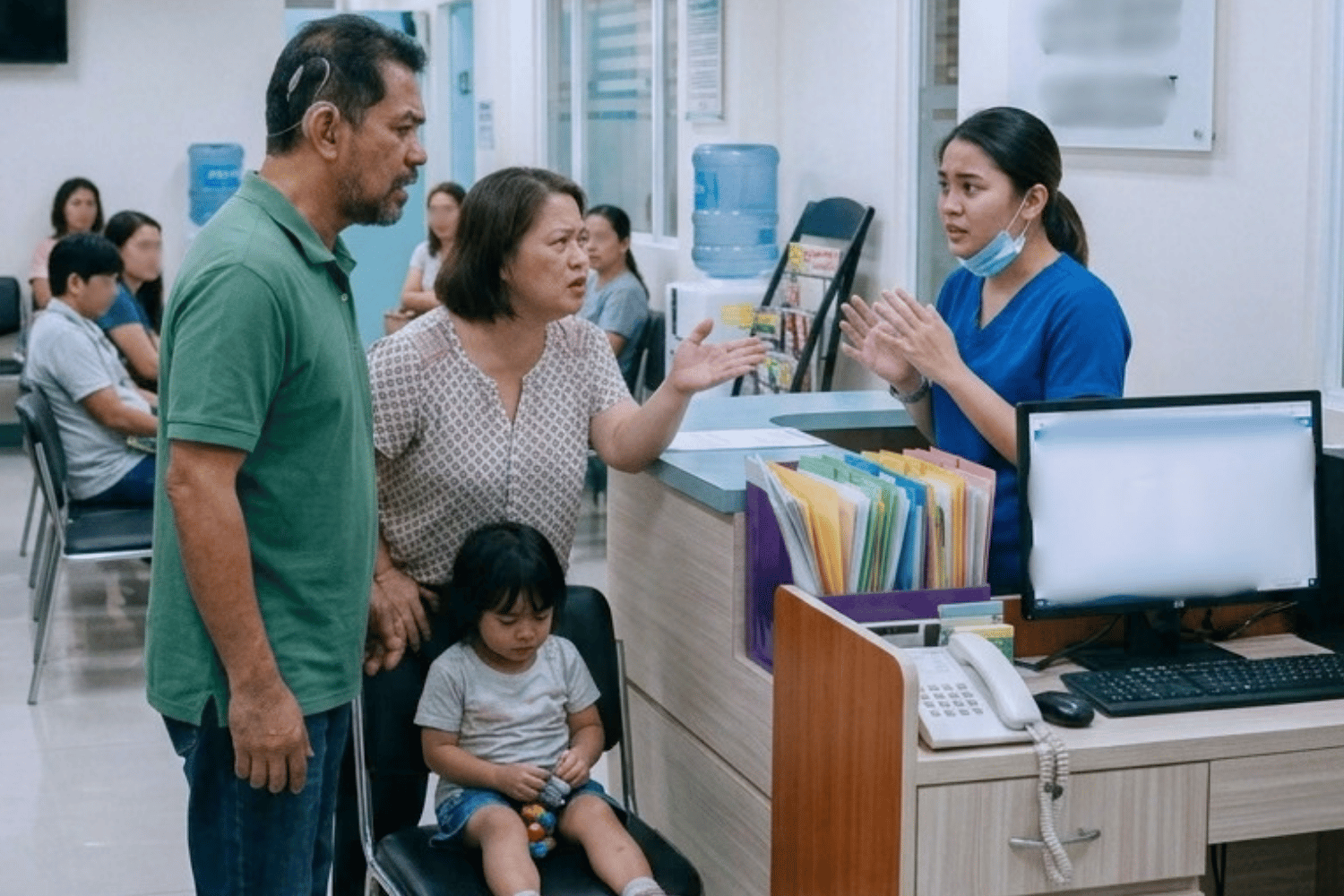
Dentist and digital creator TiTo Yann shared an experience in which a family asked whether they could use the PWD IDs of the mother, father, and aunt to get a discount on dental treatment for their child, an encounter he later recounted on Threads.
He explained that the discount only applies to the PWD receiving the service and cannot be transferred to a child or other relative who is not a PWD.
The family also appeared to be trying to use the PWD IDs of three relatives to get the discount for the child. But the 20% benefit is tied to the PWD who is actually receiving or using the covered goods or service. It cannot be pooled or stacked using the IDs of other PWD family members.
The incident reportedly ended with the relative threatening to report the clinic after being denied the discount.
Under Republic Act No. 10754, PWDs are entitled to at least a 20% discount and VAT exemption on covered goods and services for their exclusive use, enjoyment, or availment, including medical and dental services.
The Department of Health’s implementing guidelines also state that the discount and VAT exemption are non-transferable and exclusively for the benefit of the PWD.
However, the issue becomes complicated when invalid or fraudulent PWD IDs enter the picture, because businesses are still expected to verify and document discounted transactions.
Some establishments, however, may hesitate to scrutinize IDs too closely because refusing a discount can quickly turn into an accusation of discrimination, especially when staff have to question a customer’s eligibility during a transaction.
For small businesses in particular, the fear of complaints, negative reviews, or confrontations can make enforcing the rules even more difficult, even though businesses are required to follow the eligibility requirements for the discount.
The Bureau of Internal Revenue rules require establishments claiming the discount as a tax deduction to record the PWD’s name and ID number, along with transaction details, while undocumented discounts can be disallowed as deductions.
That means a fraudulent discount is not a victimless attempt to save money, particularly for small businesses and professionals providing services, who have to absorb the immediate reduction in the amount collected while complying with documentation requirements.
The law does provide establishments with a tax deduction for legitimate PWD discounts, but that does not mean the government reimburses businesses for every peso discounted at the point of sale.
The PWD discount exists to make essential goods and services more affordable for people who are entitled to it. Protecting that benefit means making sure it remains exactly that—a benefit for the PWD, not a discount that can be passed around to family members. Businesses and service providers also have a role in making sure the privilege remains available to those it was created to serve.
READ: