RA 11650 mandates support systems, but many schools still lack them.
No child should be denied an education because of a disability.
But making that promise a reality requires more than allowing learners with special needs into regular classrooms. It requires trained teachers, specialists, and resources to support them.
For many Filipino teachers, that support remains incomplete. They are increasingly asked to handle learners with disabilities without the preparation and systems envisioned under the country’s inclusive education law.
The issue resurfaced after lawmakers questioned the Department of Education over the implementation of Republic Act No. 11650, or the Inclusive Education Act, saying many schools have been mainstreaming learners with disabilities into regular classrooms without first conducting proper assessments or preparing Individualized Education Programs.
Under the law, no learner shall be denied admission based on disability. Schools are also required to provide reasonable accommodations through multidisciplinary assessments, IEPs, and Inclusive Learning Resource Centers.
However, education experts said these support systems have yet to be fully established in many schools.
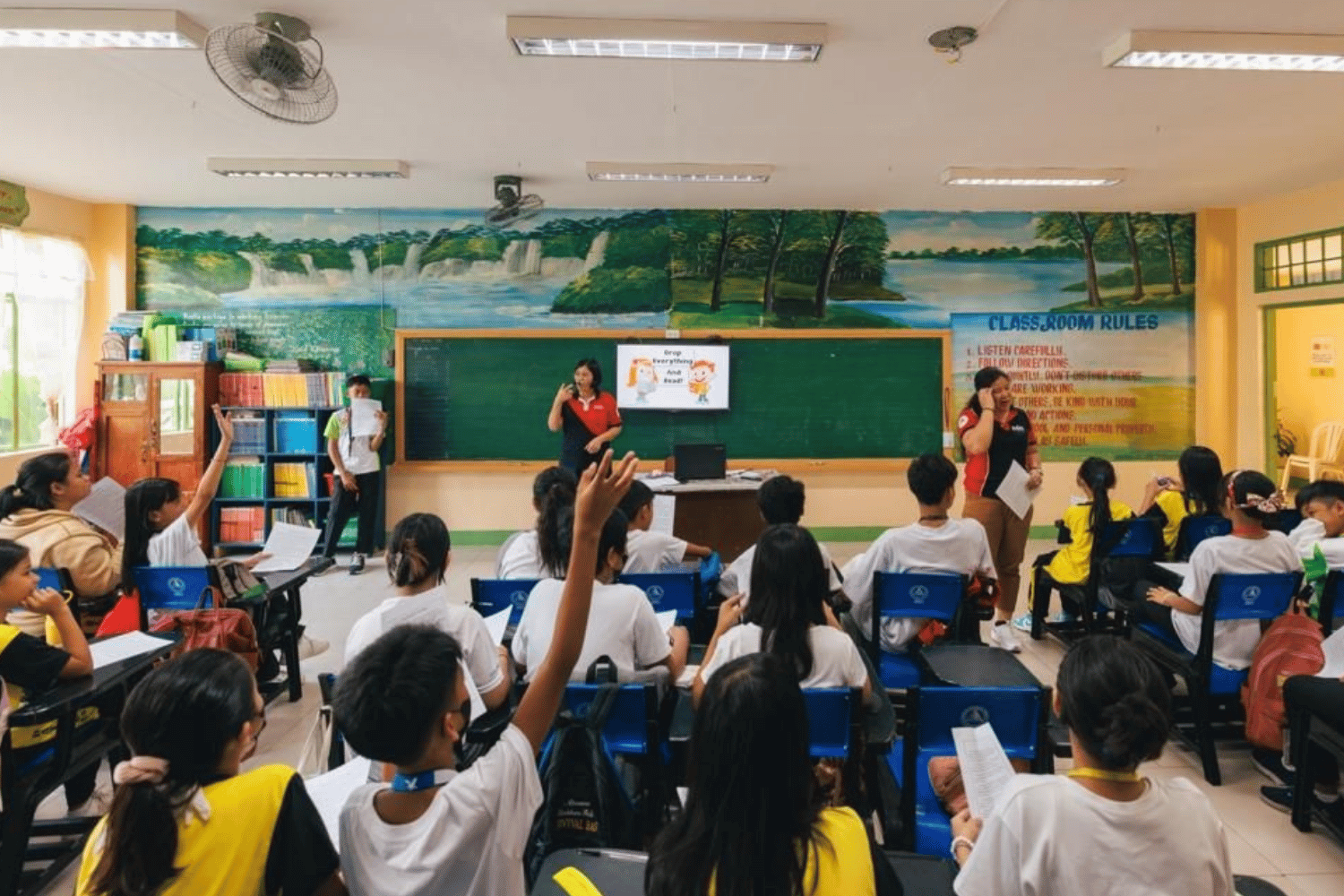
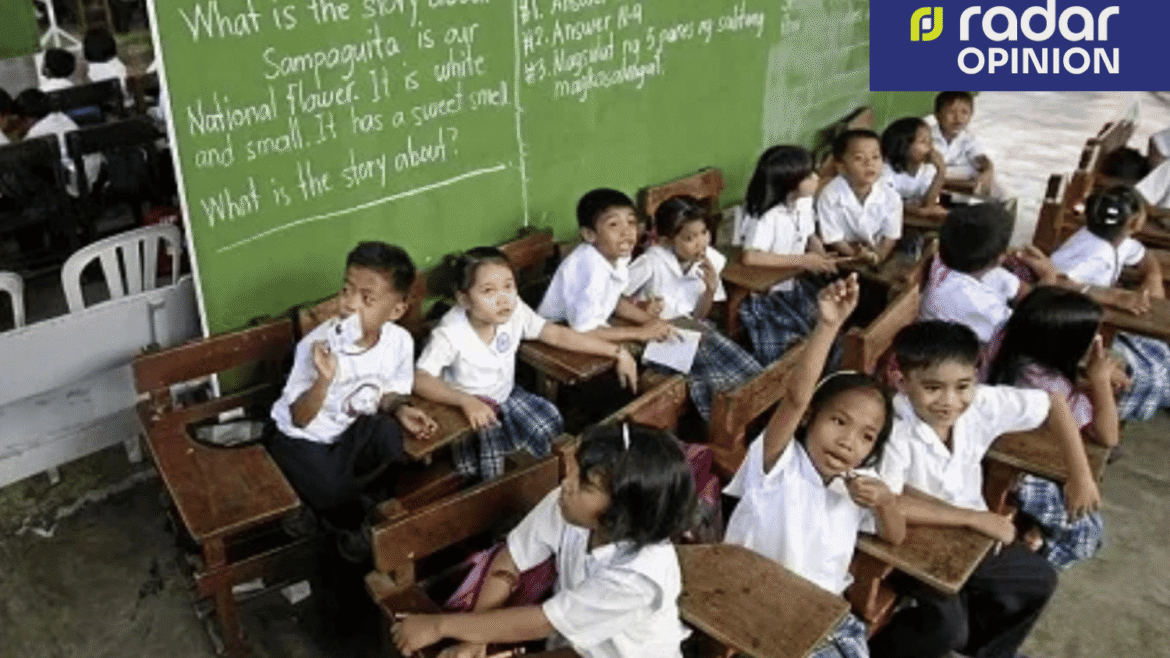
According to consultations conducted by the Second Congressional Commission on Education (EDCOM 2), many regular classroom teachers are now handling learners with disabilities despite having little to no formal training in special education. They also do not have access to specialists who can address different learning needs.
During a House Committee hearing on basic education and culture, a teacher from Binalonan North Central School SPED Center described the growing pressure inside classrooms, where 12 of their 36 special needs education learners had already been mainstreamed into regular classes.
“Okay pa po ngayon kasi opening block, wala pang masyadong activities. Hindi ko lang po alam pag nag-instructional block na at nagsabay-sabay silang ma-stress,” the teacher said.
Another teacher from Tagbilaran City Central School SPED Center also raised concerns over the difficulty of teaching several children with multiple disabilities at the same time.
The concerns continued online, with many arguing that simply placing a learner with disabilities inside a regular classroom should not automatically be considered inclusion.
“Real inclusion requires proper support, an IEP, trained teachers, and when needed, a shadow teacher or learning aide. Without these, inclusion becomes just a word,” a netizen said.
Others called for clearer workflows, from learner assessment and placement to IEP preparation, classroom implementation, monitoring, and specialist support. This is especially needed in divisions that still lack fully functioning ILRCs.
According to UNESCO, around 15% of the world’s population lives with some form of disability. Yet children with disabilities remain significantly less likely to complete basic education than their peers.
Many countries also continue to struggle with shortages of trained special education teachers and learning support personnel.
As the country transitions toward inclusive education, many educators and advocates say admitting learners with disabilities into schools is only the first step. Without proper implementation RA 11650 and the stronger support system it requires, the goal of meaningful inclusion remains difficult to achieve.
READ: