Pick the alternative according to what your body needs.
For Filipinos, replacing rice is not as simple as removing it from the plate.
Rice is the default partner of almost everything—adobo, pritong isda, tinola, nilaga and even breakfast eggs. So if you are trying to eat less of it, the better question may not be “What can replace rice?” but “What do I need from the replacement?”
Different alternatives solve different problems.
Kamote
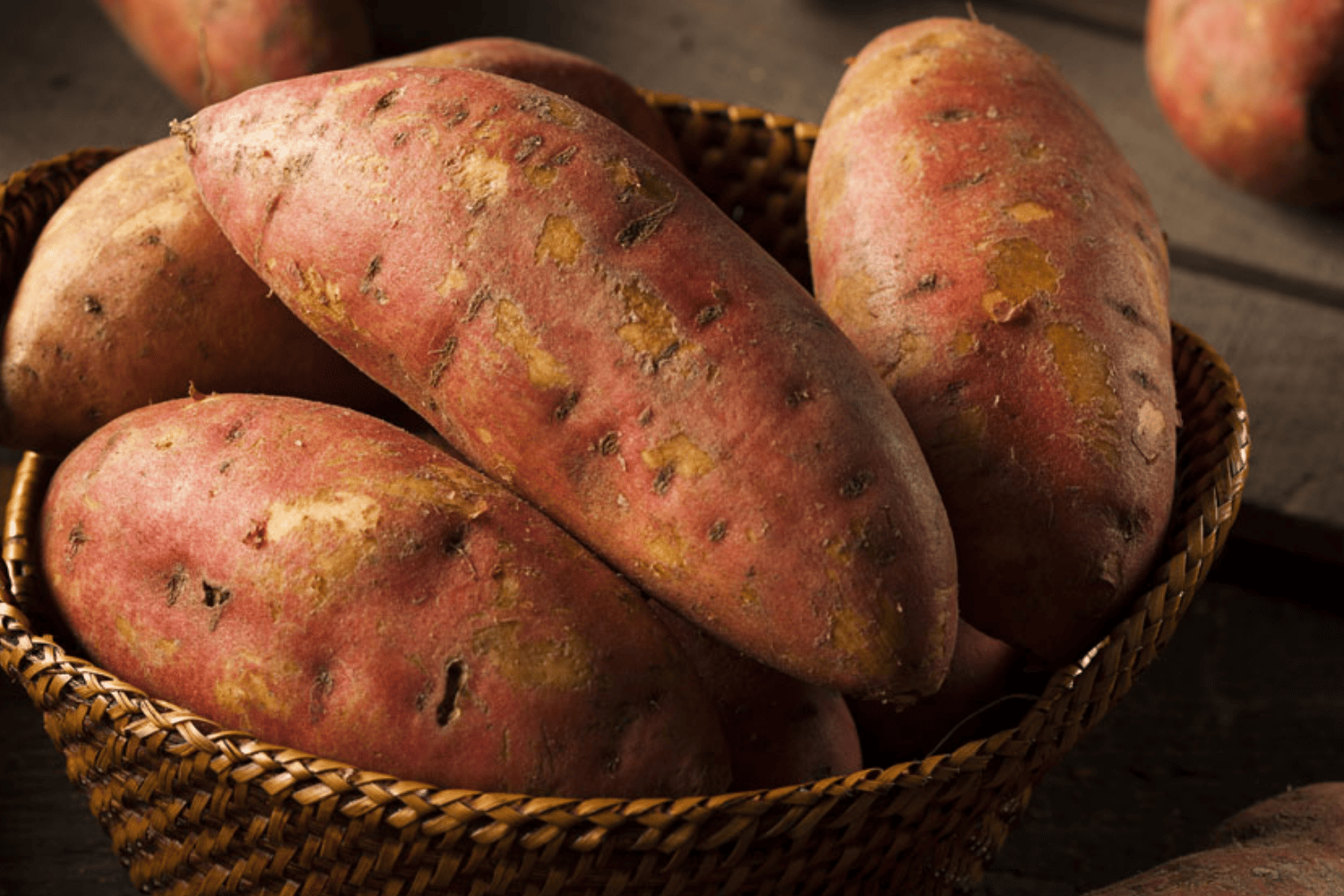
Start with kamote.
Sweet potato is widely available, familiar to Filipinos and packed with complex carbohydrates, fiber and nutrients, including beta-carotene in orange varieties.
Boil, steam or roast it and eat it with your usual ulam. Pritong isda, eggs and even adobo can work surprisingly well with kamote.
Unlike products marketed specifically as “diet food,” kamote is already part of Filipino food culture—and generally easy to find in the palengke.
Gabi or ube
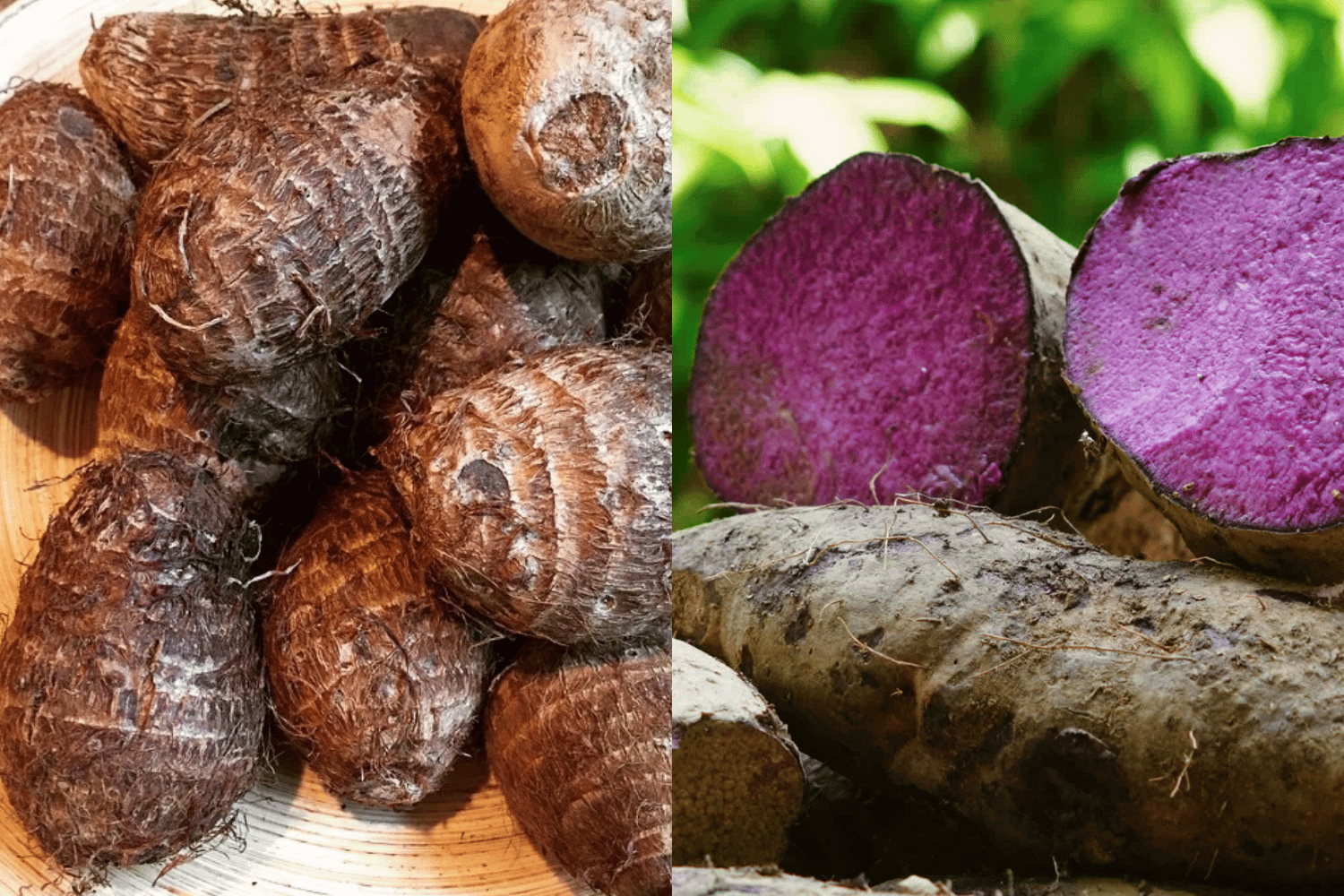
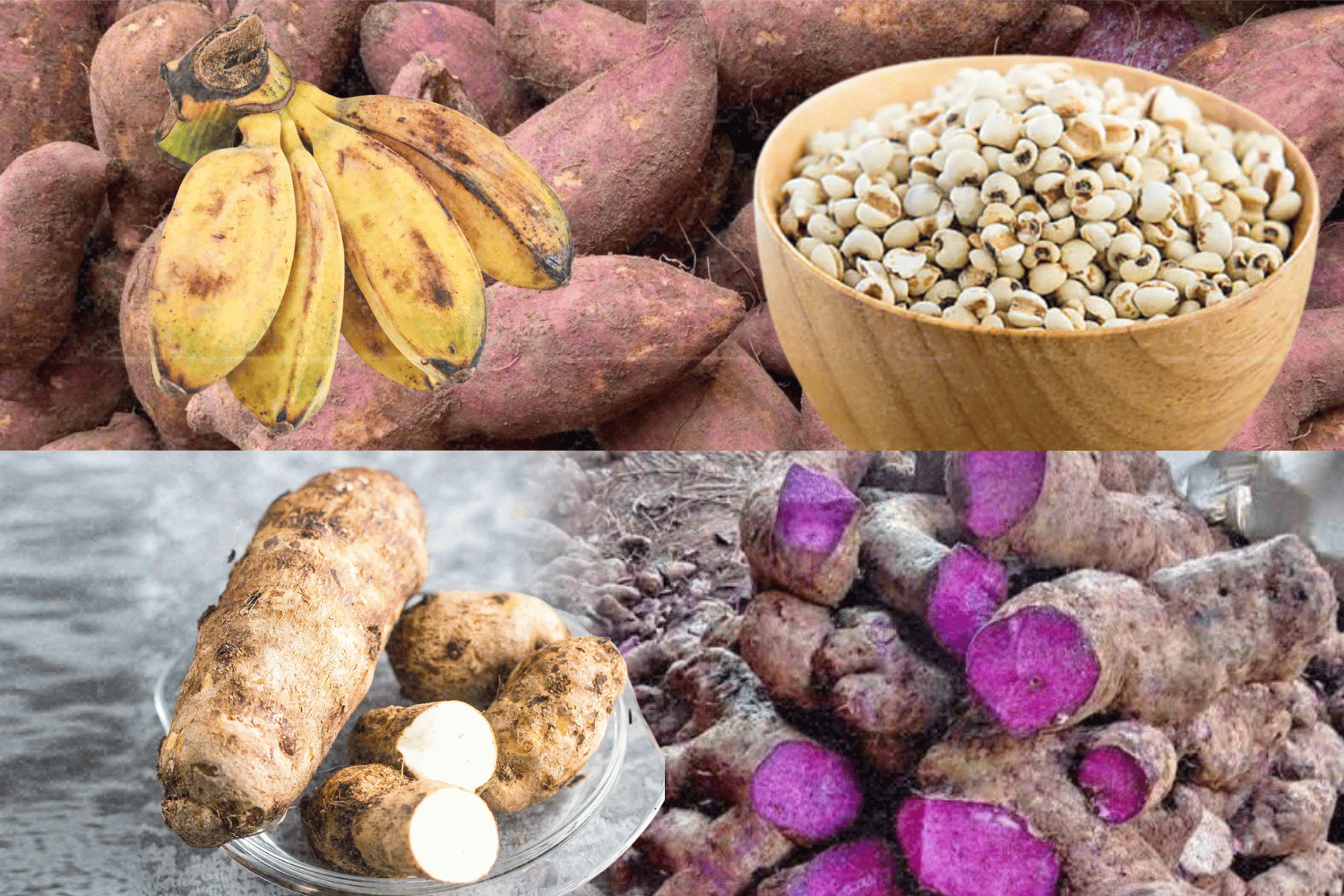
For people trying to increase fiber and make meals more satisfying, gabi and ube offer another route.
Both are starchy root crops containing fiber and potassium. Instead of turning them into sweet desserts, boil or steam them and treat them as the carbohydrate component of the meal.
Just remember: ube halaya loaded with sugar, condensed milk and butter is a very different proposition from plain boiled ube.
Adlai
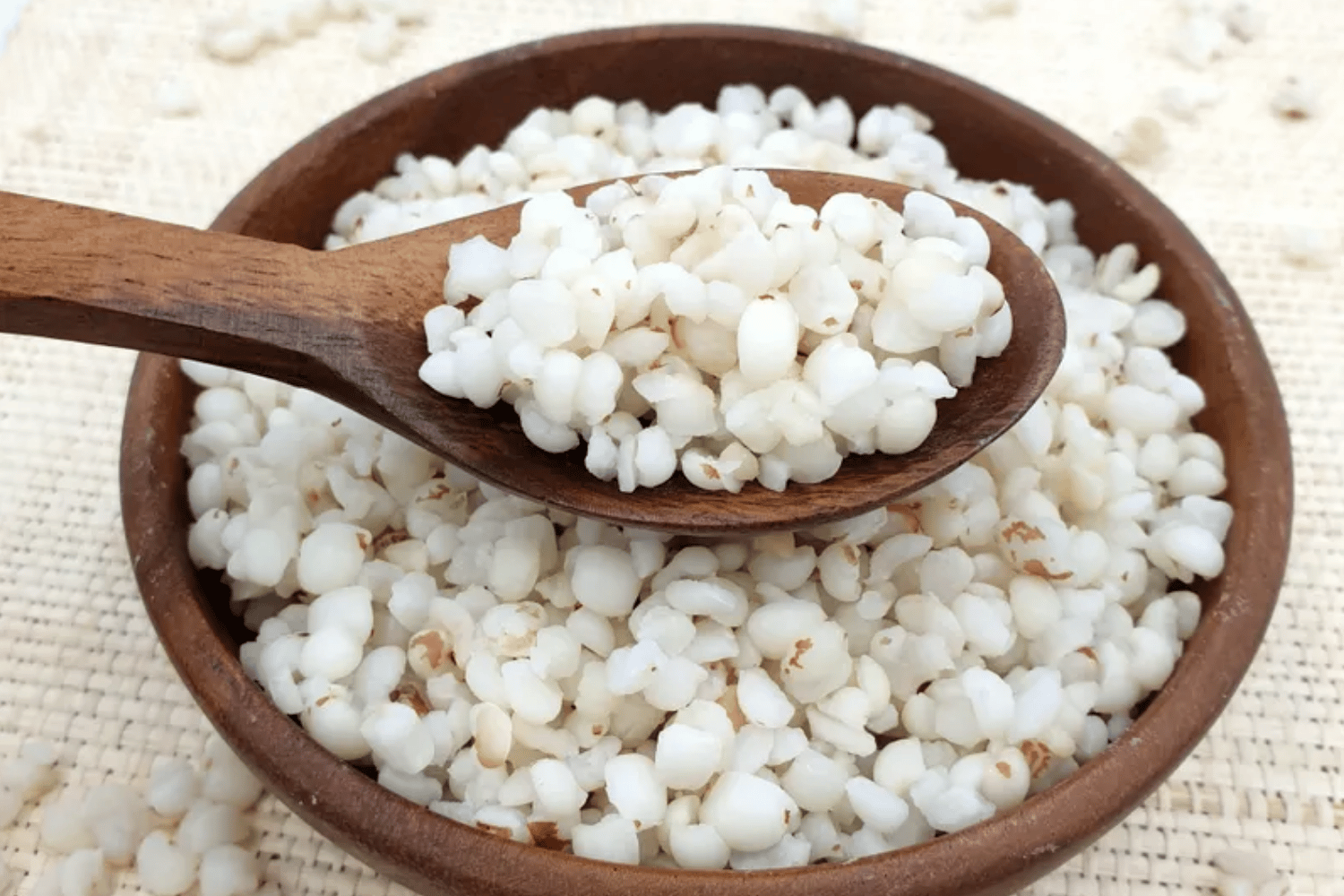
Giving up rice can be difficult simply because we are accustomed to its texture.
Adlai, or Job’s tears, comes much closer to the grain experience. It can be cooked and served beside ulam just as rice is, although it tends to be chewier.
It also provides protein and fiber and has attracted attention as an alternative grain. For people watching their blood sugar, however, portion size and the entire meal still matter; no carbohydrate-rich food should automatically be treated as “safe” for everyone with diabetes.
Bigas na mais
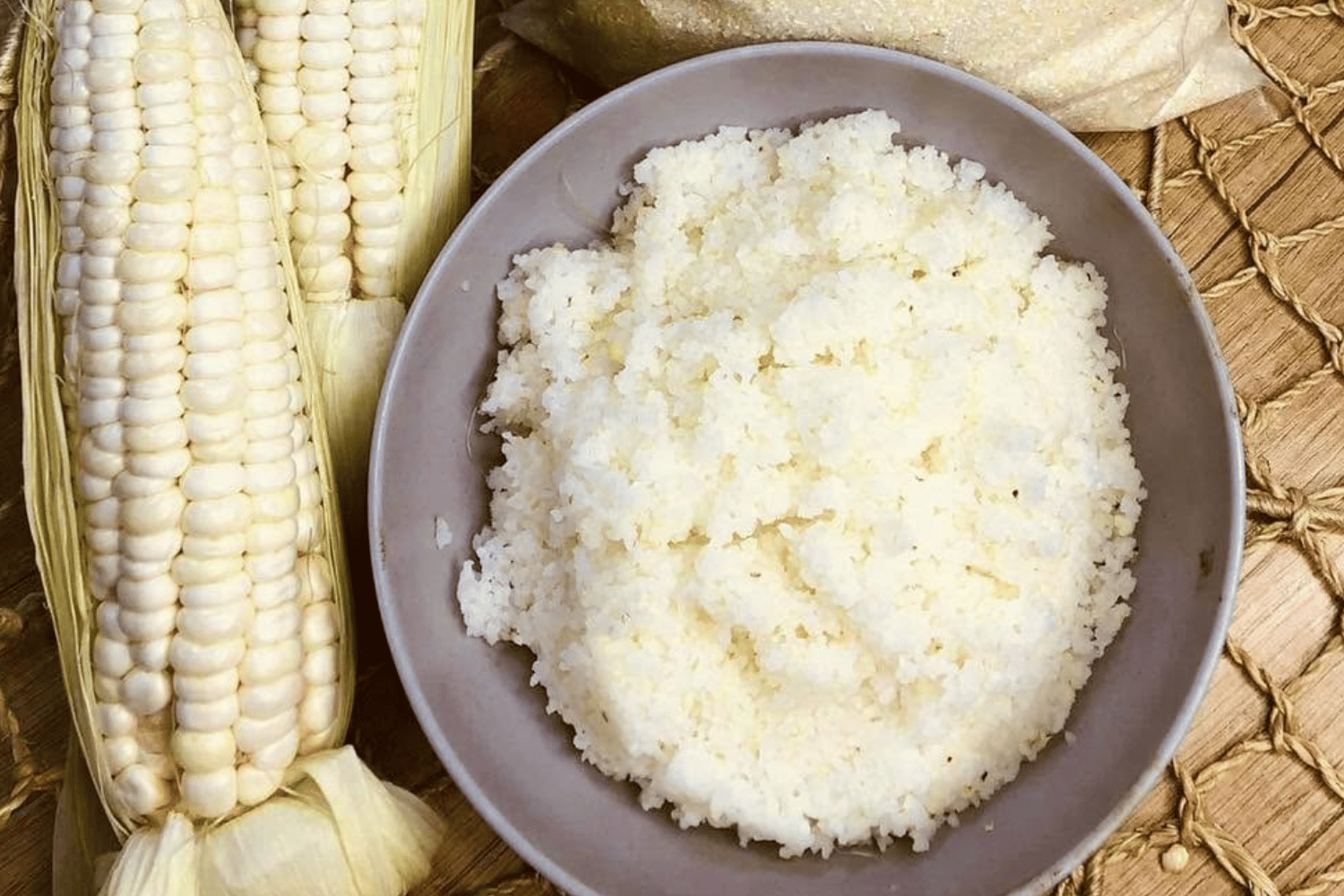
For many Filipinos, corn grits are not an alternative food at all. They are already a staple.
Bigas na mais has long been eaten in parts of the Visayas and Mindanao. It provides fiber and carotenoids and can be cooked much like rice.
Its slightly sweet, corn flavor works particularly well with grilled fish, vegetables and soupy dishes such as tinola.
Cauliflower rice
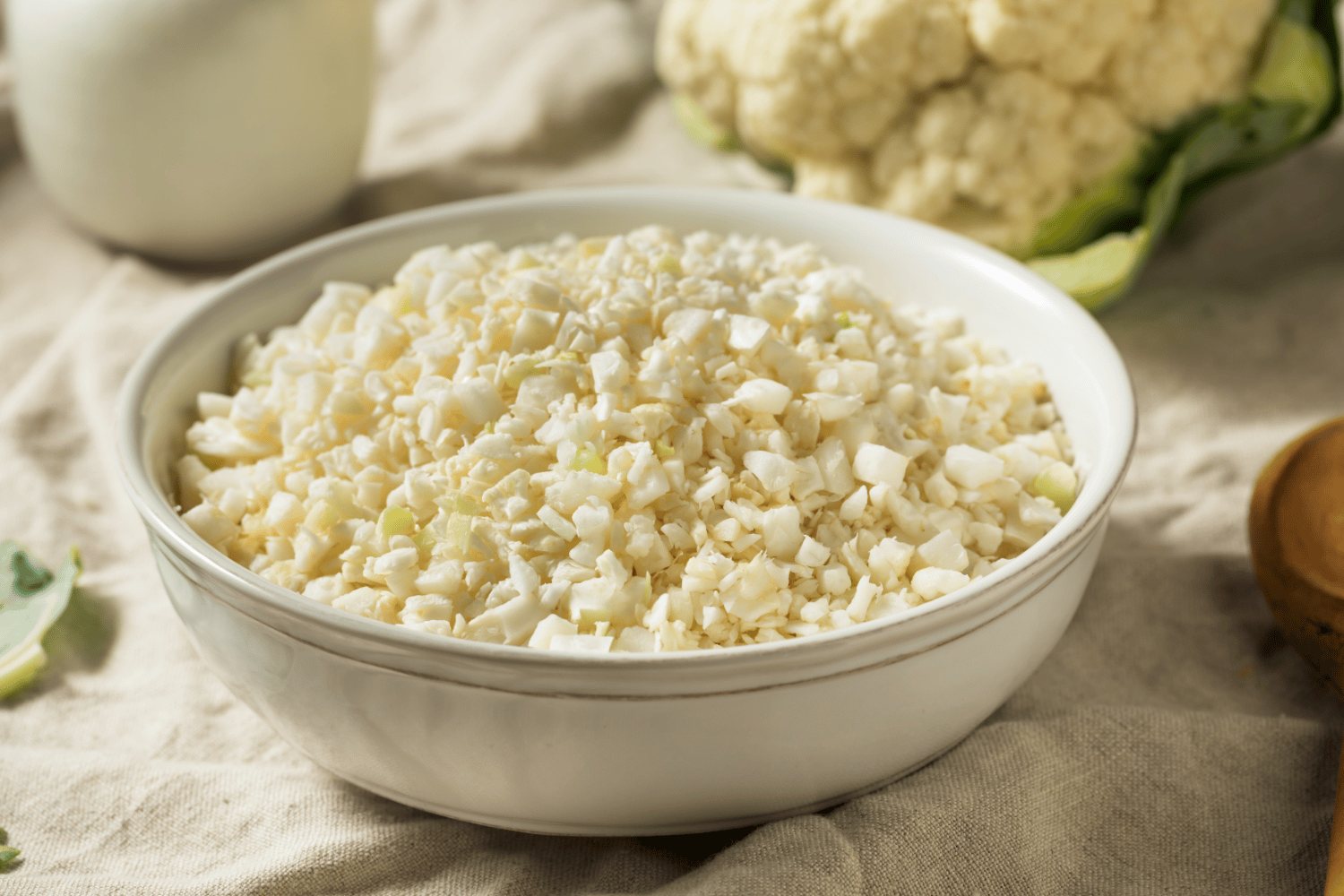
This is where cauliflower earns its place.
Compared with rice, cauliflower contains dramatically fewer carbohydrates and calories. Grate it into rice-sized pieces, sauté briefly and add garlic for a low-carb version of sinangag.
The downside is price and accessibility. For many Filipino households, cauliflower rice can cost considerably more than simply eating rice or local root crops.
Saba
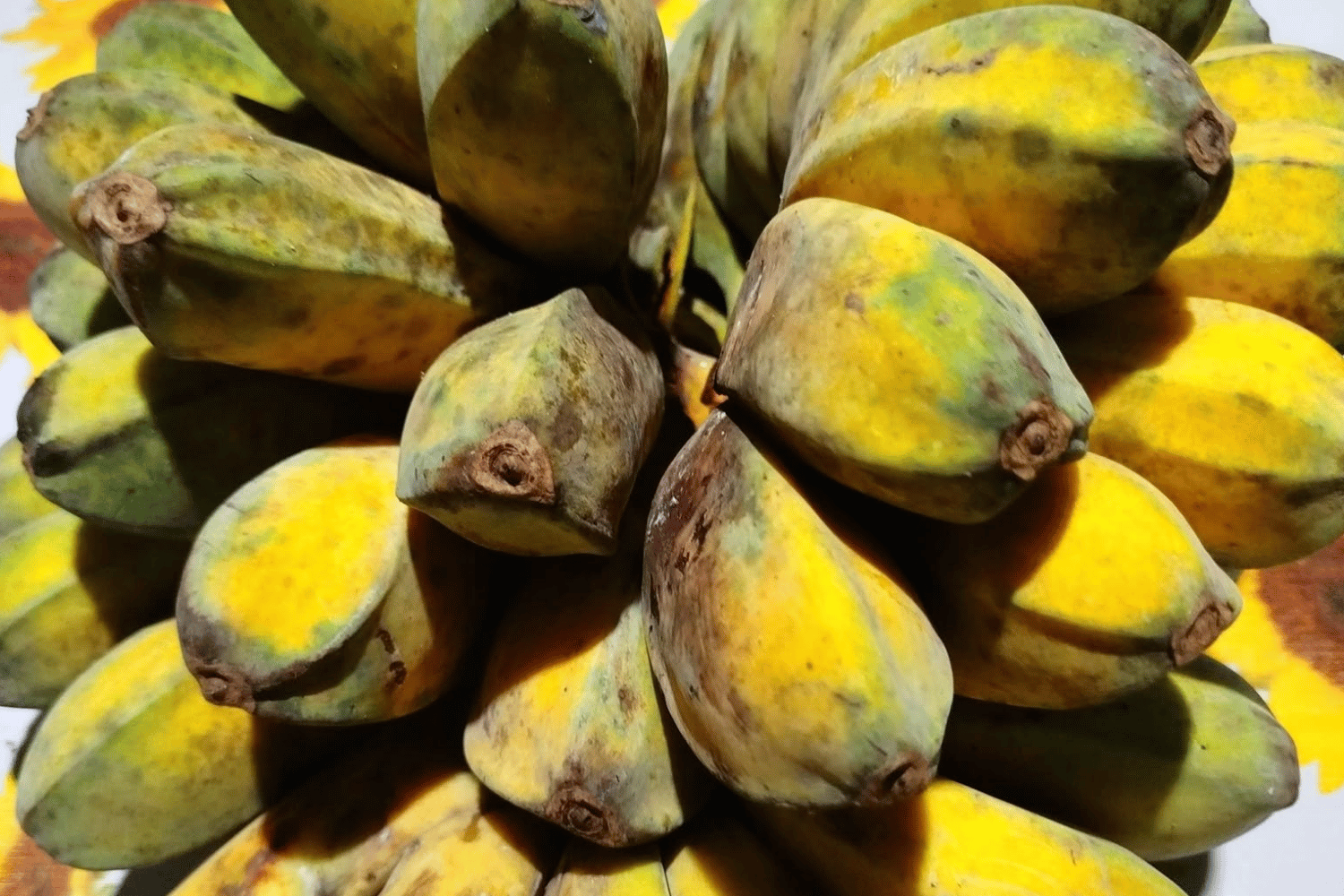
Do not underestimate the humble saba.
Boiled or steamed saba provides carbohydrates, fiber and potassium. Less-ripe bananas also contain more resistant starch than fully ripe ones.
And saba does not need to become turon or banana cue. Served plain, it can accompany savory food and is especially satisfying alongside dishes such as nilaga or pochero.
Ultimately, replacing rice does not have to mean buying expensive imported grains or trendy “diet” products.
For low-carb eating, cauliflower may make sense. For a rice-like grain, try adlai. For a traditional staple, consider corn grits. For fiber and satiety, explore gabi or ube. Saba offers another familiar source of carbohydrates.
And for the Filipino looking for perhaps the simplest combination of nutrition, affordability, familiarity and availability, there is always the kamote.
Sometimes the best alternative to rice has been growing in our own soil all along.