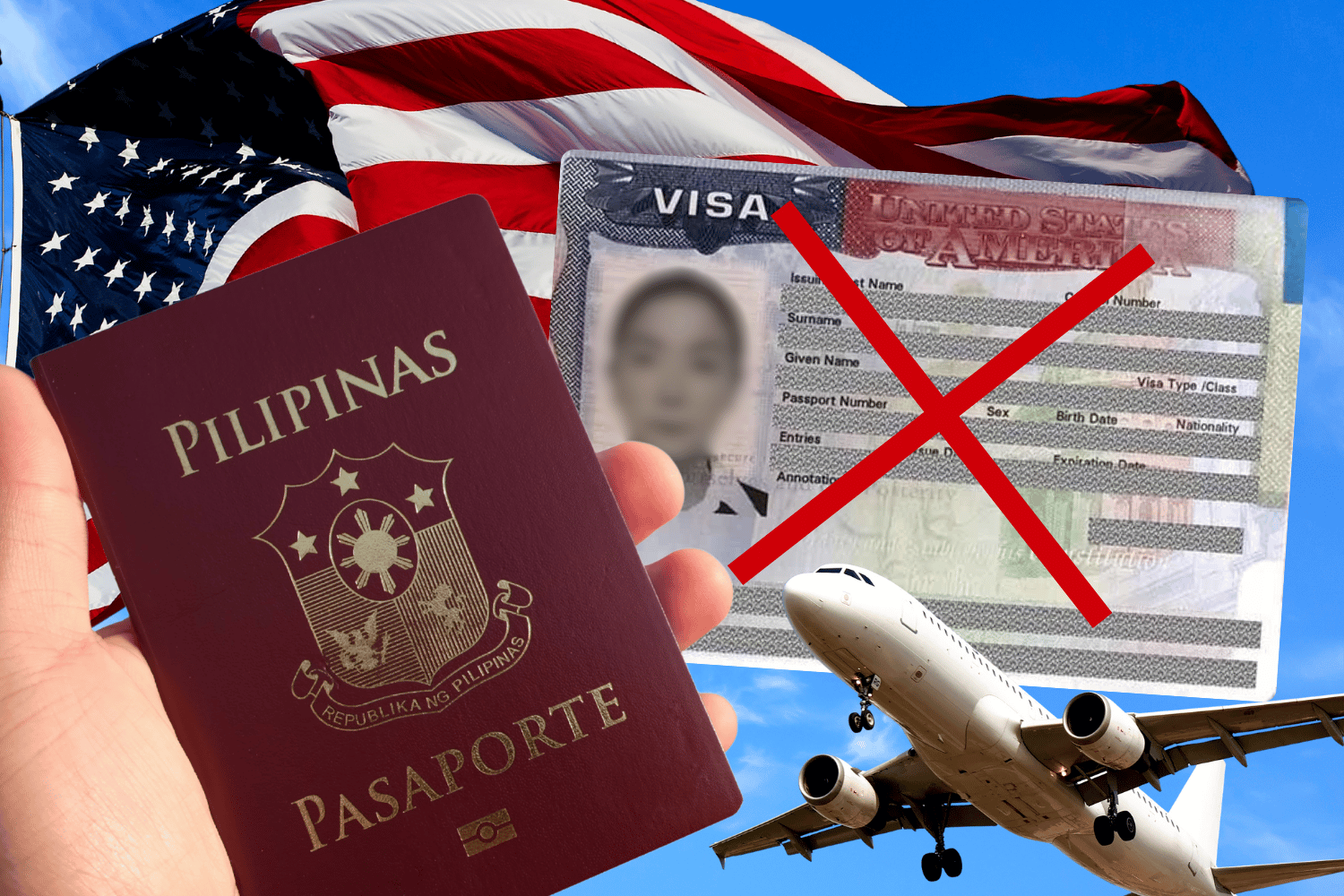
Filipinos once entered America visa-free because the Philippines was a U.S. territory.
Imagine boarding a steamship in Manila, sailing across the Pacific, and arriving in San Francisco without a U.S. visa, embassy interview, or bank statements.
For Filipinos in the early 20th century, this was possible. But how did traveling to America become so complicated?
1898–1934: The visa-free era
Following the Treaty of Paris in 1898, the Philippines became a U.S. territory. Under the Philippine Organic Act of 1902, Filipinos were recognized as citizens of the Philippine Islands who owed allegiance to America.
They were generally considered U.S. nationals, not American citizens, and could enter the mainland without immigration visas.
Thousands traveled to work in Hawaiian plantations and California farms. However, expensive steamship fares, medical inspections, and racial discrimination remained obstacles.
1934–1946: America closes its doors
The Tydings-McDuffie Act of 1934 changed everything.
Amid racial prejudice and fears of labor competition during the Great Depression, the U.S. began treating Filipinos as aliens for immigration purposes.
Permanent immigration was restricted to just 50 Filipinos annually under the quota system, although exceptions existed.
1946–1990s: The visa era begins
When the Philippines gained independence on July 4, 1946, Filipinos became foreign nationals under U.S. immigration law.
The Luce-Celler Act raised the annual immigration quota to 100. The 1965 Immigration and Nationality Act later expanded opportunities for family- and employment-based immigration.
Tourists, however, generally needed visas.
Applications involved paper forms, interviews, and financial documents, giving rise to the familiar Filipino practice of preparing substantial bank balances or ‘show money.’
2000s–Present: Stricter screening
Today, Filipino tourists generally need a B-1/B-2 visa, an online DS-160 application, identity checks, and usually a consular interview.
Under Section 214(b) of U.S. immigration law, most nonimmigrant applicants are presumed to have immigrant intent until they establish eligibility.
There is no guaranteed amount of ‘show money’ that ensures approval.
The historical irony
Filipinos once enjoyed visa-free entry to America, not because they held a powerful passport, but because the Philippines was under U.S. sovereignty.
In 1946, Filipinos gained independence, but lost the special nationality status that had once allowed them to enter America without an immigration visa.
READ: