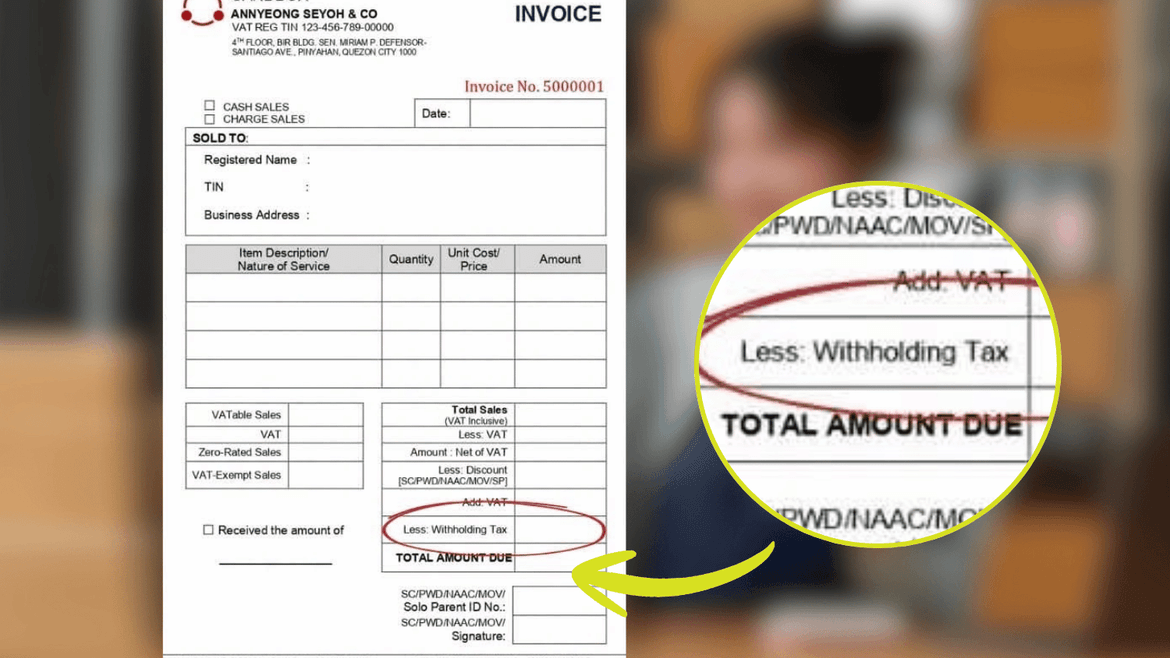
A freelancer completes a project, sends a service invoice, and waits for payment. Thirty days pass. Then 60. Sometimes, the client takes months to pay.
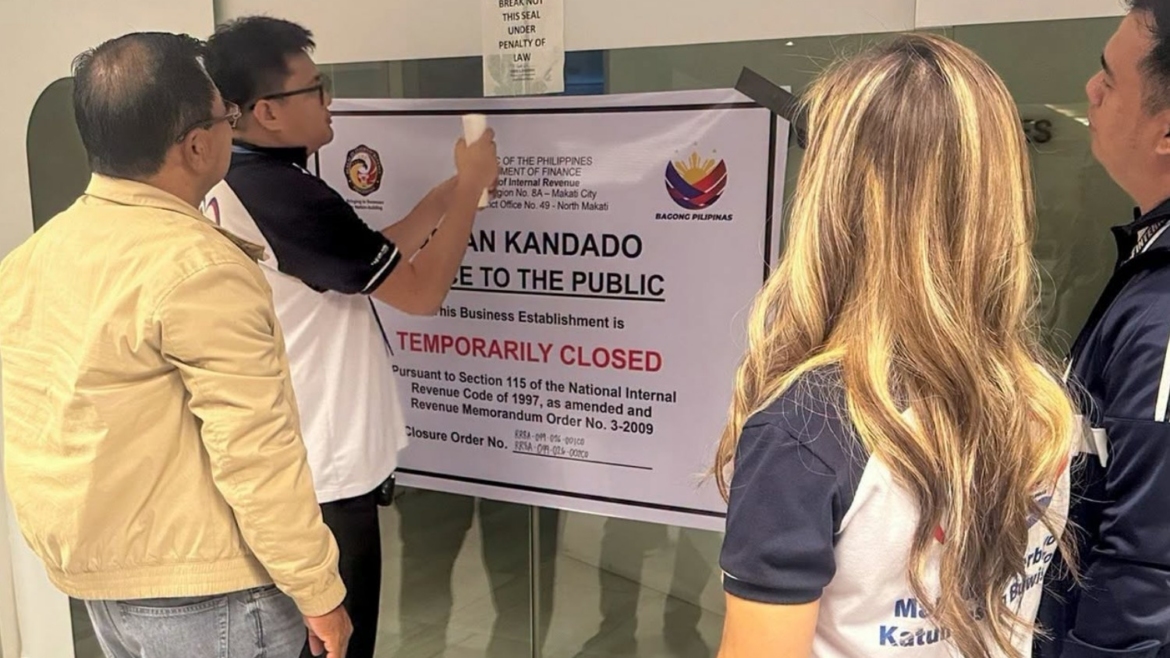
But the Bureau of Internal Revenue (BIR) may already expect the corresponding VAT, even if the freelancer has not received a single peso.
This dilemma has sparked frustration on Threads, where Filipino freelancers and business owners are criticizing the tax implications of the Ease of Paying Taxes (EoPT) Act, or Republic Act No. 11976.
Threads user @icoylaa questioned the shift from Official Receipts (ORs) to Service Invoices (SIs), arguing that the new system unfairly burdens service providers.
Previously, VAT on services was generally recognized upon payment. Under the EoPT reforms, VAT liability is generally tied to billing, regardless of whether the client has paid.
When clients delay, small businesses pay
The discussion attracted business owners sharing similar frustrations.
One commenter pointed out that even if a client delays payment for a year, the service provider may already have been required to remit VAT.
Another questioned why freelancers should advance tax payments when clients might never settle their obligations.
One business owner claimed that a corporate client had failed to pay for two years despite receiving a service invoice. The client reportedly requested a replacement invoice because the original had not been processed.
A workaround that doesn’t always work
Some businesses send Statements of Account (SOAs) before issuing service invoices to manage billing and collections.
However, many corporate clients require official invoices before processing payments, leaving suppliers in a difficult position.
An SOA also cannot legally substitute for an invoice when BIR rules already require one.
The EoPT Act provides limited relief by allowing eligible VAT-registered businesses to claim output VAT credits on qualifying unpaid receivables after the agreed payment deadline, subject to conditions.
But that does not necessarily eliminate the initial cash-flow burden.
The controversy primarily concerns VAT, as income tax and percentage tax follow different rules.
For freelancers and small businesses, the question remains: How can a law intended to make paying taxes easier leave them struggling to pay taxes on money they have yet to collect?
READ: