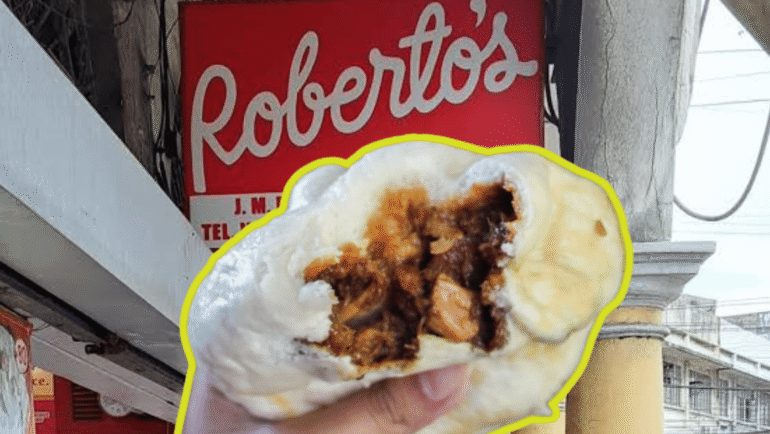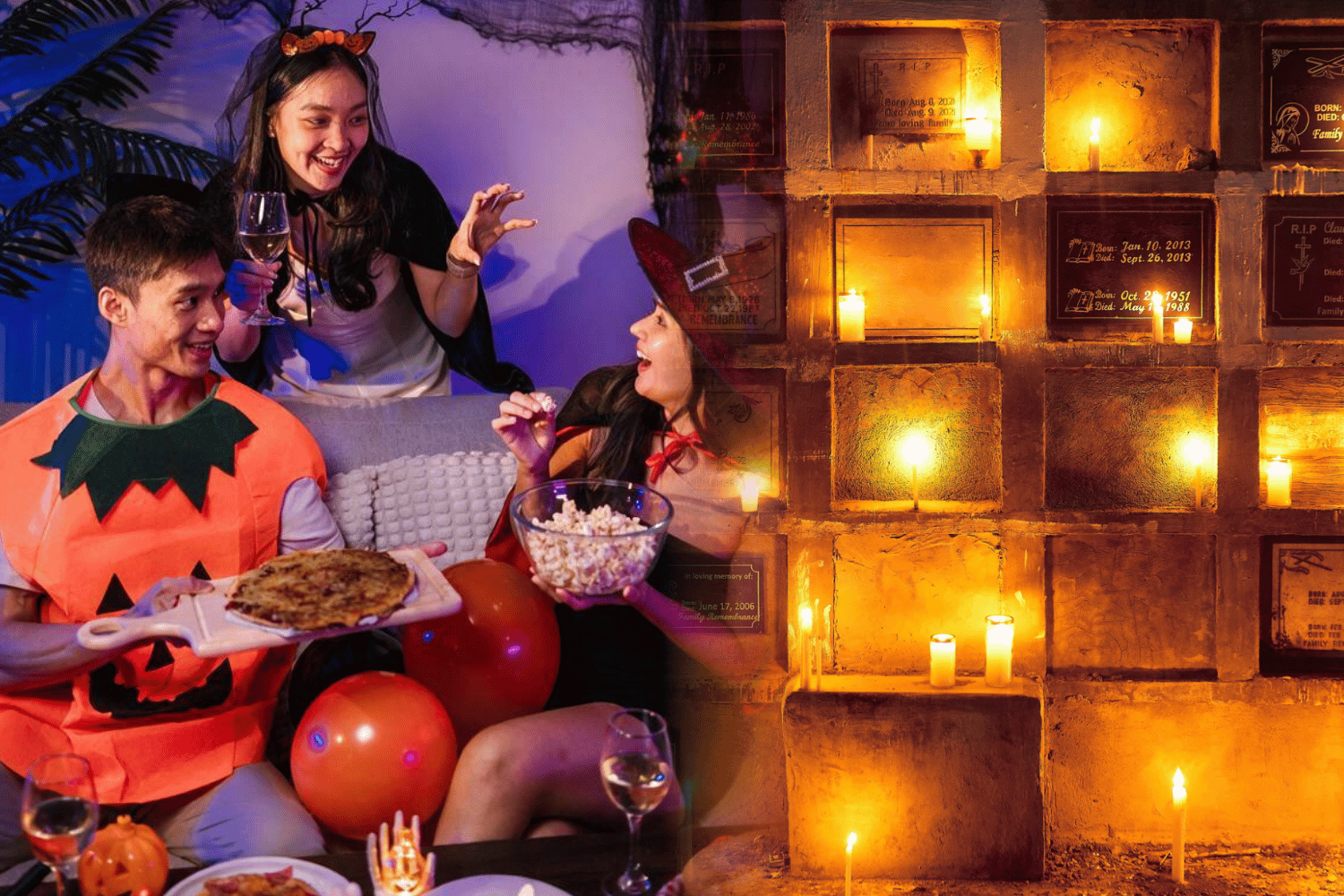
How Filipinos did Halloween before it was cool.
In the Philippines, Halloween lands on the eve of Undas, so costume parties in Poblacion and across the Philippines and cemetery visits share the same long weekend. But where did the celebration come from, and how did it blend with the Filipino way of remembering the dead?
It all began with samhain
Halloween traces back more than 2,000 years to Samhain, a festival of the Celtic peoples of Ireland, Britain and northern France. The World Book Encyclopedia says the name means “summer’s end.” Held around November 1, it closed the harvest and opened the dark winter season. Historian Nicholas Rogers told Live Science there is “no hard evidence” that it centered on the dead.
How the church calendar gave it a name
The name itself is Christian. Encyclopaedia Britannica traces All Saints’ Day on November 1 to Pope Gregory III (731–741); in 837, Pope Gregory IV extended it to the whole church.
In medieval England the feast was called All Hallows, so October 31 became All Hallows’ Eve, which World Book notes was eventually shortened to Halloween.
Where the customs came from
According to History, trick-or-treating grew from two medieval British customs: “souling,” when the poor went door to door for soul cakes and offered prayers for the dead in return, and “guising,” when costumed children sang or recited poems for treats.
Lesley Bannatyne’s Halloween: An American Holiday, an American History adds that some Celts wore disguises so roaming spirits would take them for fellow spirits. Jack-o’-lanterns began as carved turnips in Ireland and the immigrants to America switched to pumpkins.
The Filipino way of honoring the dead
Western-style Halloween only became common here under American colonial rule, but Filipinos already had customs of their own, and many survive today.
“Pangangaluluwa” is the original Filipino trick-or-treat. The National Commission for Culture and the Arts (NCCA) describes groups going house to house at night before Undas, dressed as souls from purgatory and asking for alms. The UP Center for Ethnomusicology says the singers carol for money or rice, often to Spanish-era tunes like the habanera and the waltz, blending pre-colonial belief in ancestral spirits with Catholic practice.
Ilocano families offer “atang”, an indigenous ritual of food for the dead, during All Saints’ and All Souls’ Days. For Ilocanos, November 1 becomes a family picnic among the graves.
At a wake or “lamay”, relatives and friends stay up with the body until burial, often playing games to keep the grieving company.
And finally, Undas itself. According to SCJ Phiolippines, the name comes from the Spanish “honras”, or “honors”. On the eve, families clean graves; then they bring flowers, light candles, pray and keep vigil into the night, turning the cemetery into a reunion. Some parishes also hold a “Parade of Saints,” with kids dressed as saints instead of ghouls.
Halloween may have reached us from Celtic Europe by way of America, but here it opens the door to something older, and entirely our own.
READ:
Filipinos are heading to the beach for Undas weekend
Kiara Gorrospe
October 27, 2026

Safety and solemnity: Essential tips for Undas season
Rei Marquez
October 30, 2025
Cemetery etiquette every Filipino should observe during undas
Top Dagohoy
October 25, 2026
Tags: All Hallows' EveAll Saints' DayAll Souls' DayAmericaATANGBritainEncyclopaedia BritannicaFrancehalloweenhistoryIrelandLamayLesley BannatyneLive ScienceNational Commission for Culture and the ArtsNicholas RogersPangangaluluwaParade of SaintsPoblacionPope Gregory IIIPope Gregory IVPriests of the Sacred Heart PhilippinesSamhainundasuniversity of the philippinesUP Center for EthnomusicologyWorld Book Encyclopedia