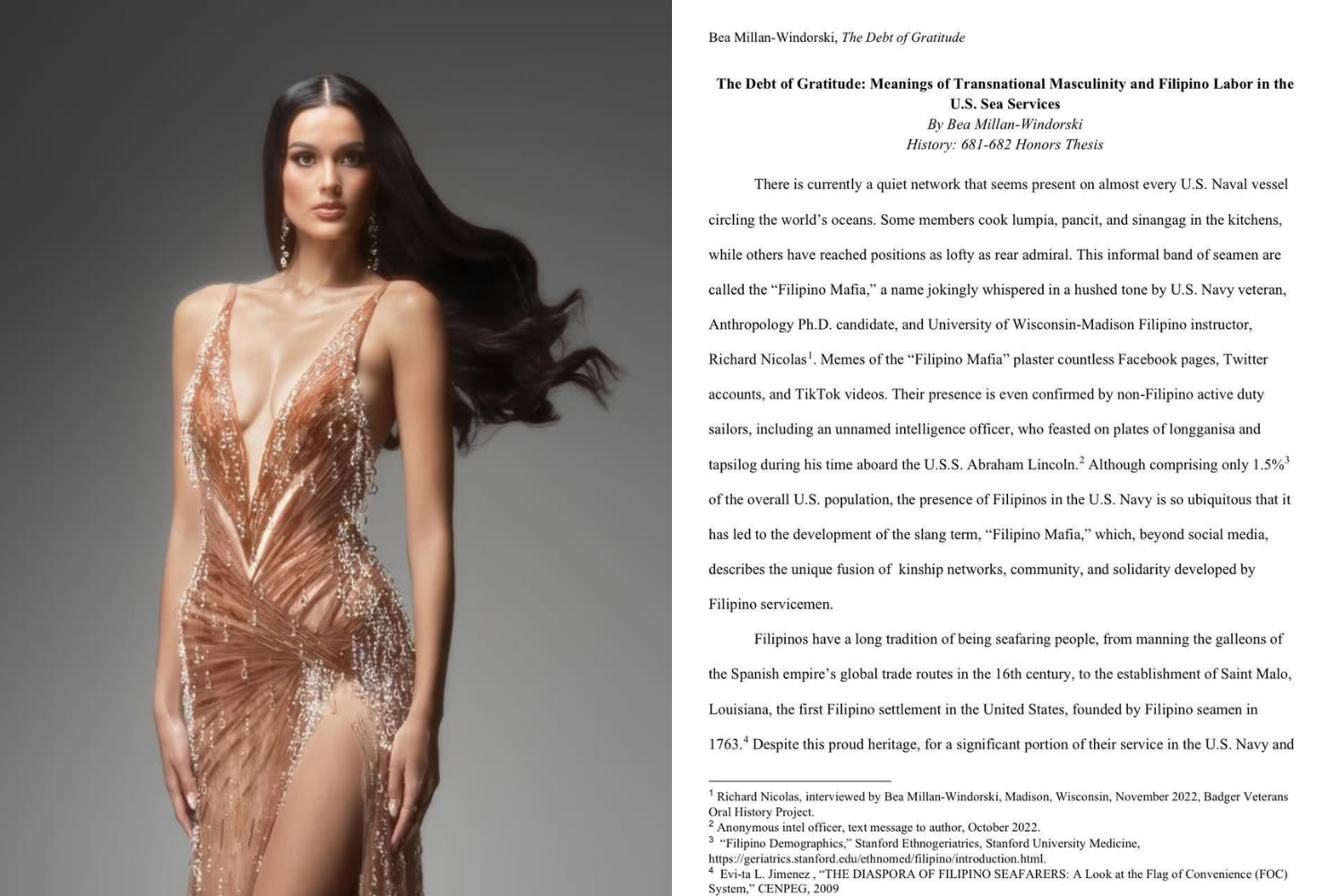
Her University of Wisconsin thesis resurfaces, showcasing a deep, research-backed understanding of Filipino identity and diaspora pride.
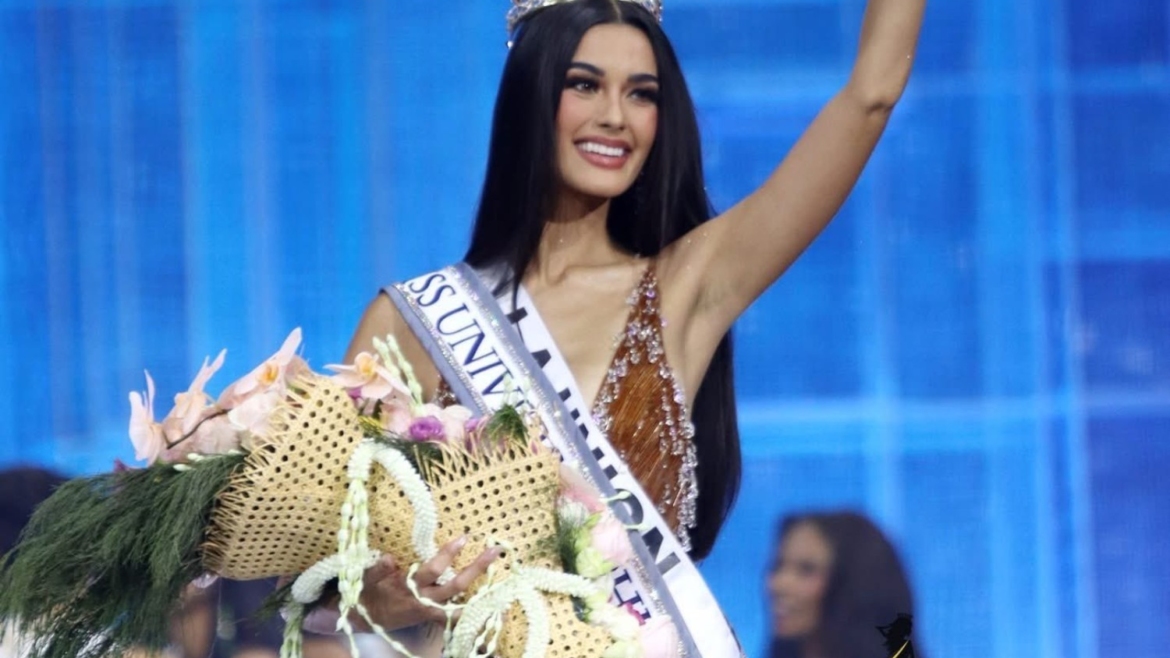
After securing the Miss Universe Philippines 2026 title, admiration continues to grow for Bea Millan-Windorski not just for her beauty and poise, but for her deeply rooted love for the Philippines.
In the days following her win, conversations online quickly turned into debates, with some critics questioning her nationality. But as doubts surfaced, so did a wave of support from fans determined to uncover the story behind the newly crowned queen. What they found painted a clearer picture, one that affirmed Bea’s identity as Filipina by both blood and heart.
Supporters began revisiting her background and academic history, leading them to an honor thesis she wrote during her college years at the University of Wisconsin. Titled “The Debt of Gratitude: Meanings of Transnational Masculinity and Filipino Labor in the U.S. Sea Services,” the paper reveals a thoughtful and in-depth exploration of Filipino identity beyond borders.
In her thesis, Bea wrote about a “quiet network” present across U.S. Naval vessels around the world. She described how Filipino servicemen play vital roles onboard, some preparing beloved Filipino dishes like lumpia, pancit, and sinangag in ship kitchens, while others rise through the ranks to positions as high as rear admiral.
A scholarly lens on Filipino resilience
She further explained the term “Filipino Mafia,” an informal label used within naval culture to describe this close-knit community of Filipino sailors. The phrase, often spoken jokingly and in hushed tones, reflects more than humor; it symbolizes a powerful system of kinship, solidarity, and shared cultural identity.
Bea’s work also highlighted accounts from non-Filipino servicemen, including an intelligence officer who recalled enjoying meals of longganisa and tapsilog while aboard the USS Abraham Lincoln. Despite Filipinos making up only around 1.5% of the U.S. population, their presence in the Navy has become so widespread that it has shaped its own cultural narrative, one defined by resilience, connection, and quiet influence.
For many Filipinos, the rediscovery of Bea’s thesis added depth to her public image. She is not just a beauty queen stepping onto the international stage.
As she prepares to represent the Philippines in Puerto Rico this coming November, Bea carries with her more than just the goal of bringing home a fifth crown. She brings a story one grounded in heritage, informed by knowledge, and strengthened by an unwavering pride in her roots.