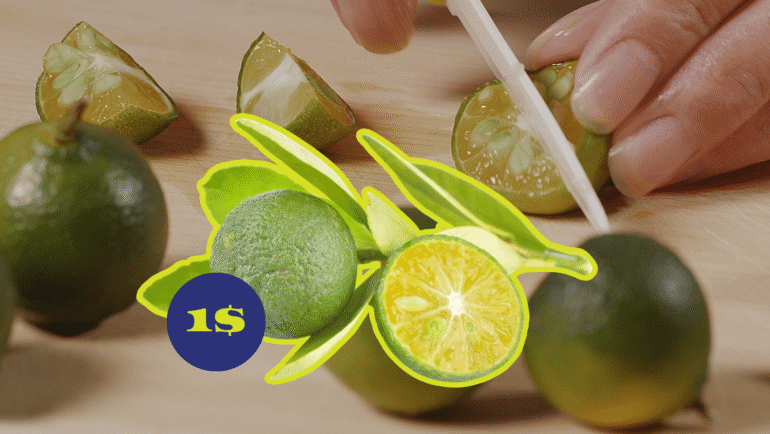
First commercial shipment of Philippine-grown crops opens new export opportunities for local farmers and producers.
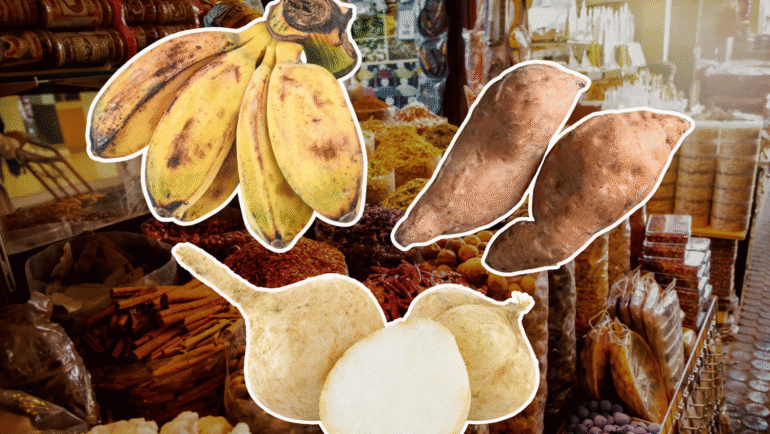
One of the most promising alternatives can be found in Filipino backyards.
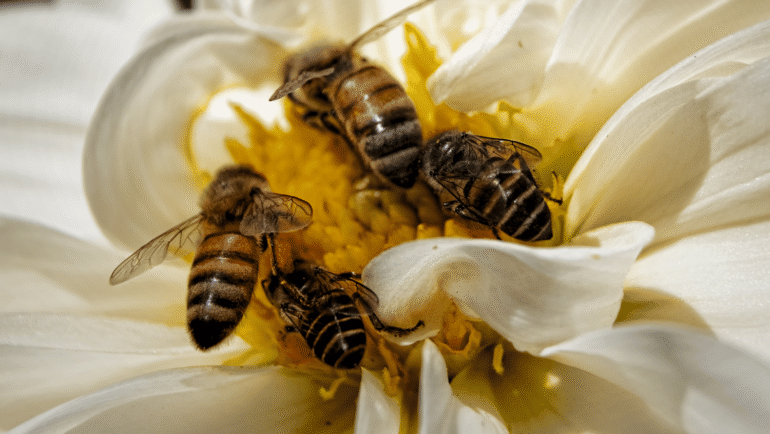
Their disappearance can threaten local crops and the future of Filipino food security.
The Philippines has launched its first seaweed bioreactor to produce healthier planting materials, helping farmers improve harvests as the industry grapples with disease and climate-related challenges.
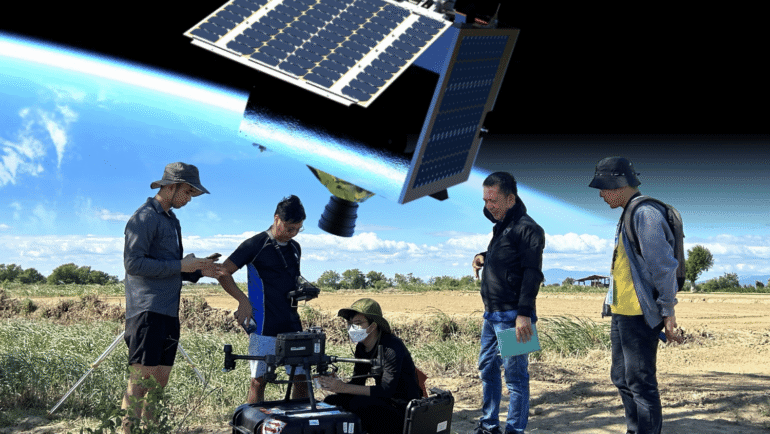
The Department of Agriculture is looking to tap satellite technology to improve crop monitoring, disaster response, fisheries, and food production
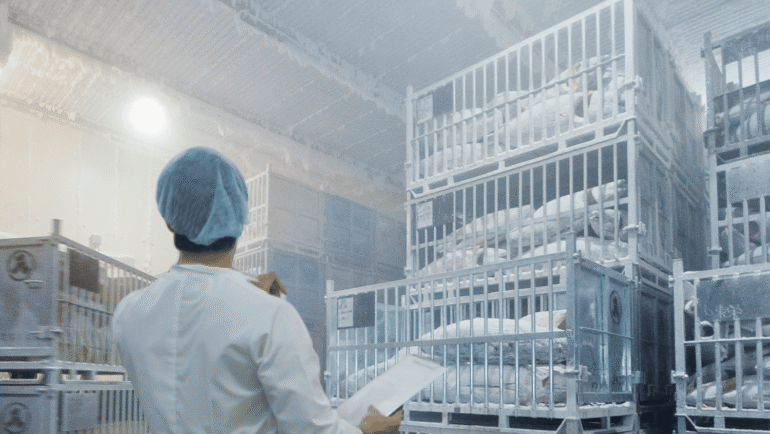
Industry players say the country needs more temperature-controlled facilities, but higher construction costs and specialized requirements continue to limit new supply.
₱112 per kilo ($1.86) in the Philippines in May 2026.
Reconsider selecting your emergency food in case of disasters.
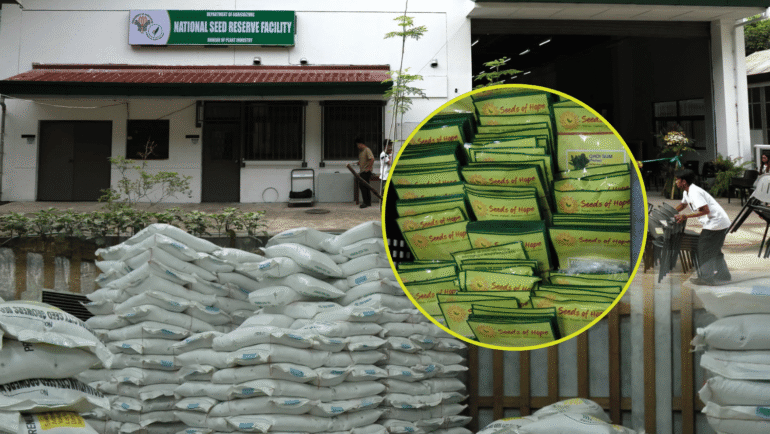
The Quezon City hub is the first of several planned seed reserve facilities.
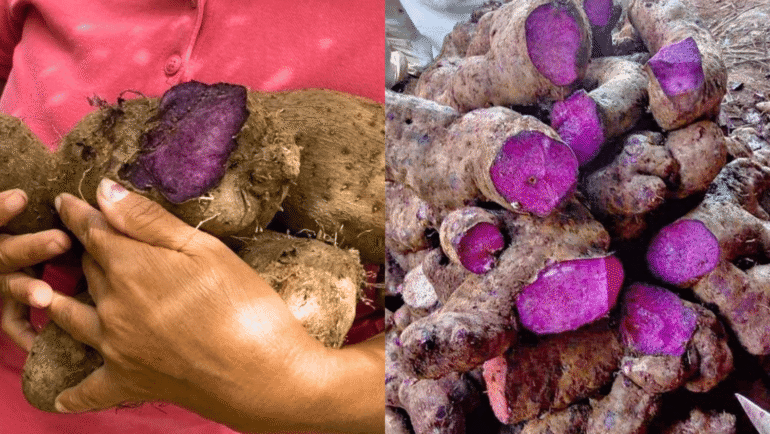
Around 900 farmers in Leyte and Bohol receive planting materials as the government seeks to expand production, tap growing export opportunities.