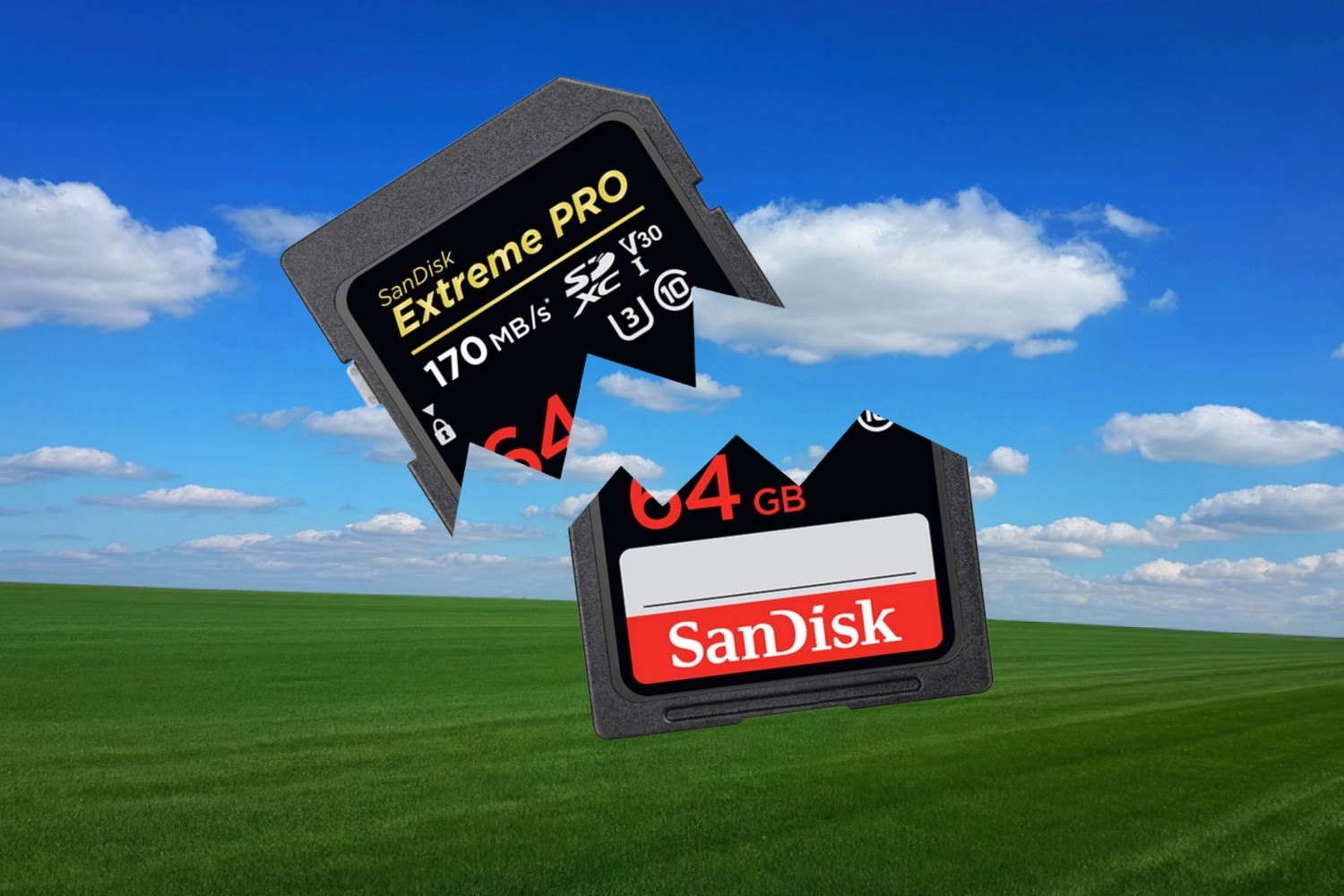
Alongside the comparison, the user added a blunt remark: “Photography ain’t for the weak.” That sentiment echoes the growing pressure on creatives who rely heavily on storage-heavy workflows.
For creatives, the impact is immediate. Projects that once required a few budget-friendly memory cards now demand tighter budgeting and more careful planning. Even simple backups, file transfers, or storage upgrades are starting to feel disproportionately expensive compared to previous years.
Data centers squeeze consumer supply
At first glance, familiar explanations apply: supply chain fluctuations, NAND flash production cycles, and rising global demand for storage components. But there is another major factor reshaping the market that often gets overlooked: artificial intelligence.
AI systems depend on massive datasets, and storing and processing that data requires huge amounts of memory infrastructure. Data centers powering AI development are consuming large volumes of NAND flash storage, the same core technology used in SD cards, SSDs, and consumer hard drives.
As AI demand increases, manufacturers tend to prioritize large-scale industrial buyers over consumer markets. This reduces available supply for everyday users and pushes retail pricing upward, especially for commonly used storage devices.
For users working with large files or media-heavy workflows, this means rethinking how storage is managed. Cloud services and subscription-based backups are becoming more common alternatives, while physical storage upgrades are becoming more costly decisions.
In the end, SD cards and hard drives are no longer just simple accessories. They are tied to a much larger technological ecosystem, and as AI continues to expand, consumers are increasingly feeling its impact in a very direct way: paying more for the same amount of space.