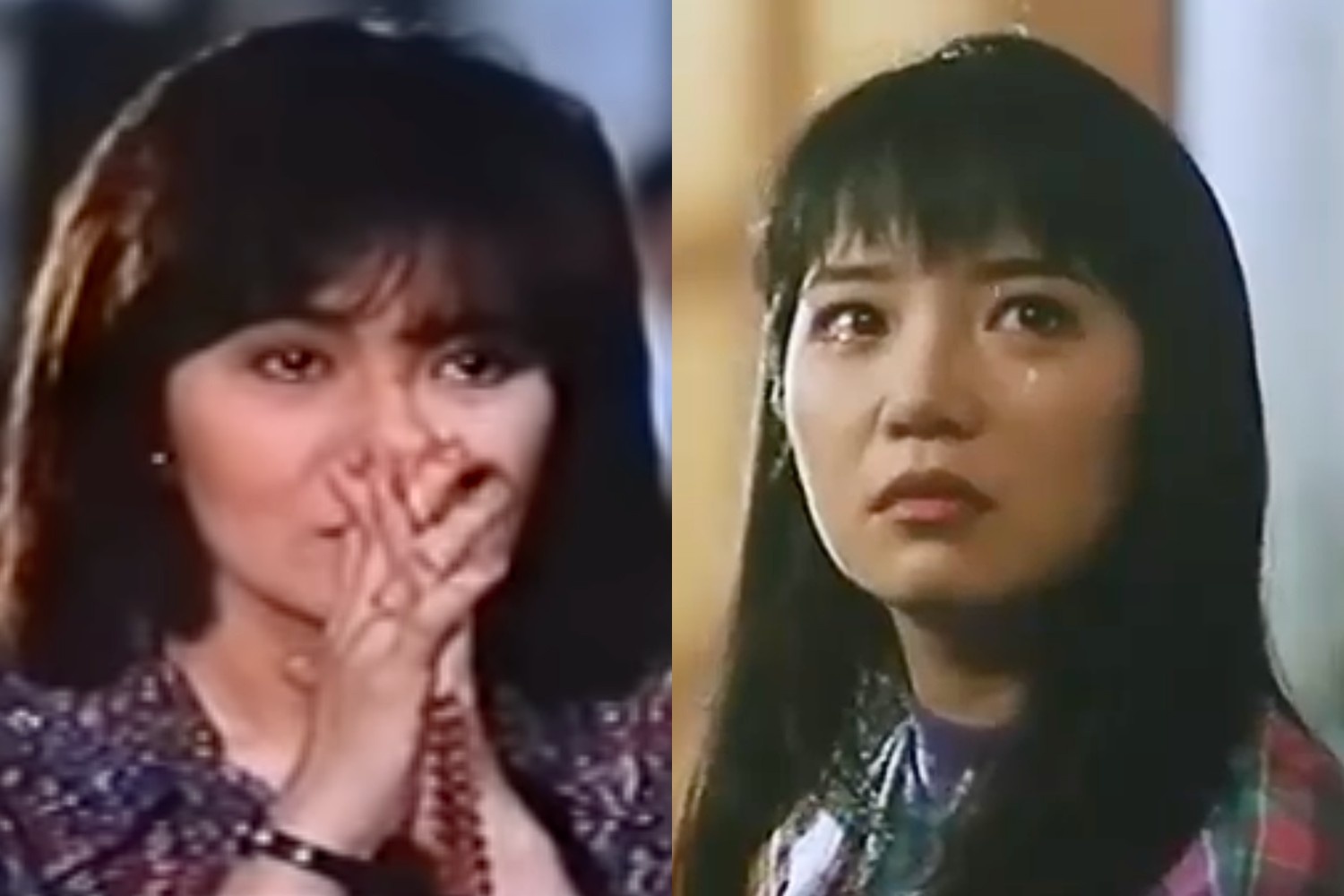
Two films, one gruesome case: how Kris Aquino and Lorna Tolentino became unlikely rivals in the height of ‘90s massacre movie mania.
In the mid-1990s, true crime became one of Philippine cinema’s most bankable genres.
No case was bigger—or more gruesome—than the murder of Elsa Santos-Castillo, the woman who became known nationwide as the “Chop-Chop Lady” after her dismembered body was discovered in 1993. The crime shocked the country, dominated newspaper headlines, and eventually sparked one of the strangest rivalries in local movie history.
At the center of it were two of the country’s biggest actresses: Kris Aquino and Lorna Tolentino.
The rivalry was never personal. But for a brief period, the media and moviegoers framed them as competitors in a battle for what fans would later call the “Massacre Queen” crown.
The Chop-Chop Lady wars
In 1994, two rival film studios rushed to capitalize on public fascination with the Elsa Castillo case.
OctoArts Films produced “The Elsa Castillo Story… Ang Katotohanan,” with Kris Aquino portraying the slain victim.
Meanwhile, FLT Films International countered with “The Chop-Chop Lady: The Elsa Castillo Story,” starring Lorna Tolentino.
The unusual situation placed two versions of the same tragedy in cinemas almost simultaneously. Audiences suddenly found themselves comparing not just the films, but also the performances of their leading ladies.
Who portrayed Elsa better? Which version was more accurate? Which film would win at the box office?
The questions fueled weeks of entertainment coverage and public debate.
The rise of the massacre queens
The clash was particularly fascinating because both actresses had already become closely associated with crime and massacre movies.
During the 1990s, the genre exploded in popularity, with films dramatizing sensational real-life crimes and high-profile murder cases.
Kris Aquino became one of the genre’s most recognizable faces through films such as “The Vizconde Massacre Story” and other crime-inspired projects. Her combination of vulnerability and emotional intensity made her a natural choice for victim-centered narratives.
Lorna Tolentino, meanwhile, brought dramatic gravitas and star power to similar projects. Already regarded as one of the country’s finest actresses, she approached the genre with a different style—less tabloid sensation, more emotional depth.
As massacre films continued to dominate theaters, comparisons between the two became inevitable.
Rivals only on screen
Despite the media narrative, there was little evidence of real animosity between the actresses.
In fact, the years that followed revealed a relationship built more on respect than rivalry.
When Lorna’s husband, Rudy Fernandez, battled cancer and eventually passed away, Kris was among those who offered support to the family. Years later, Lorna publicly returned that kindness during Kris’ own difficult periods, saying she never forgot the compassion shown to her family.
Their story serves as a reminder that many of showbiz’s most famous feuds are often created by circumstances rather than personal conflict.
A rivalry unique to the 1990s
Today, it is difficult to imagine two major studios releasing competing films about the same murder case at nearly the same time.
But that bizarre cinematic showdown perfectly captured the spirit of 1990s Philippine movies—a period when true-crime dramas ruled the box office, real-life headlines became instant screenplays, and two of the country’s biggest stars found themselves competing for a title neither officially sought.
For a generation of moviegoers, Kris Aquino and Lorna Tolentino became the faces of an era when massacre movies were king.
And for a brief moment in 1994, they were the queens fighting for the same crown.
READ:

Viral ‘Backrooms’ horror comes alive in immersive escape experience
Rafael Asonza
May 20, 2026

A new HK film dramatizes the traumatic 2010 Manila hostage crisis
radar Entertainment
April 27, 2026

From PH to Portugal: “Tigkiliwi” brings Filipino aswang story to global audience
radar Entertainment
January 16, 2026