The lenticular cloud phenomenon occurs when the atmosphere decides to sculpt the wind using the landscape as a mold.
Volcanic geology meets atmospheric physics in a stunning viral photo of Albay’s famous peak.
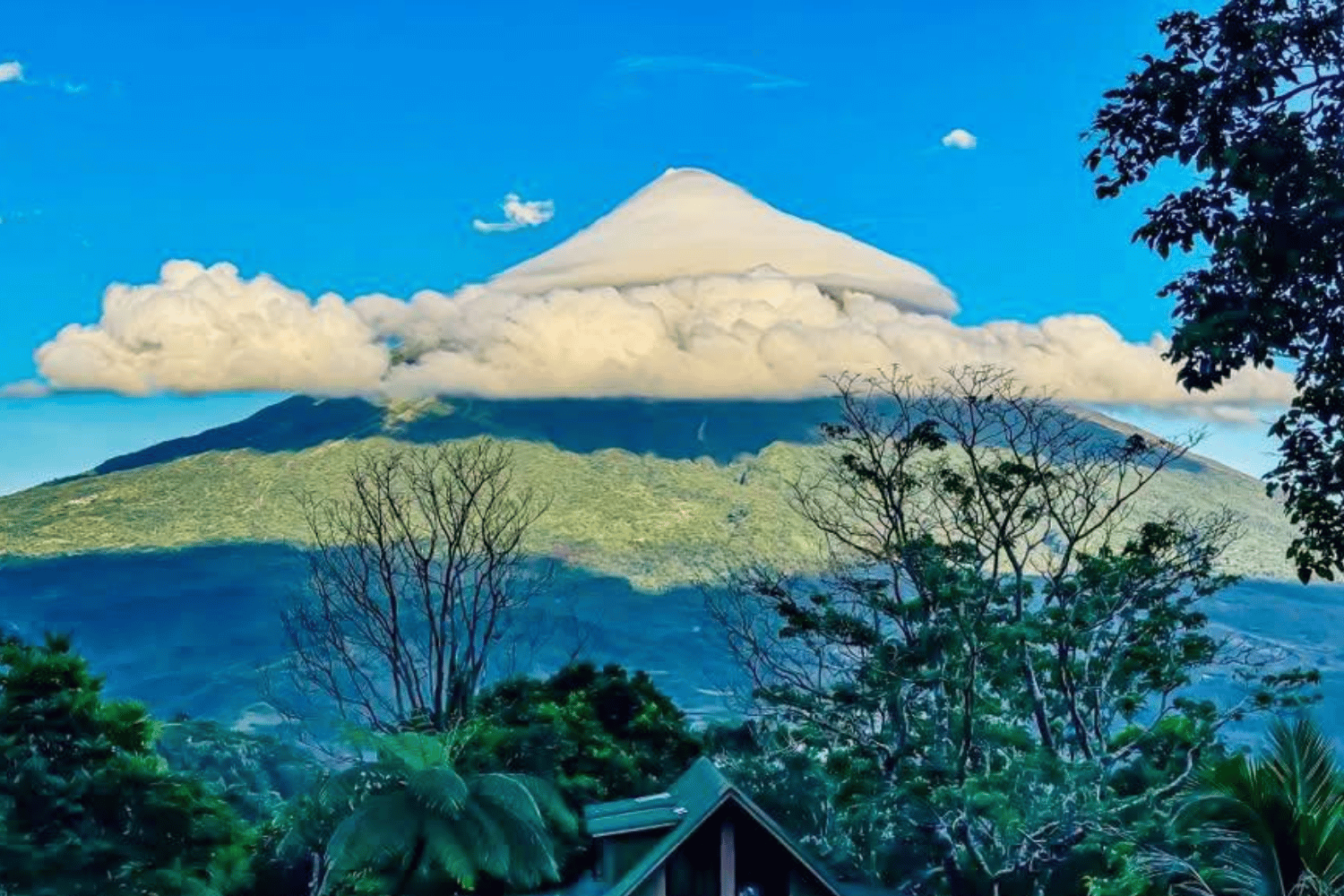
It is completely natural to feel a bit anxious when you receive an NDRRMC warning text the previous night and then see a stunning salakot cloud over Mayon Volcano’s perfect cone as captured by Lakwatserong Irigenyo this afternoon. It isn’t a sign of doom but a spectacular mix of active geology and beautiful atmospheric physics.
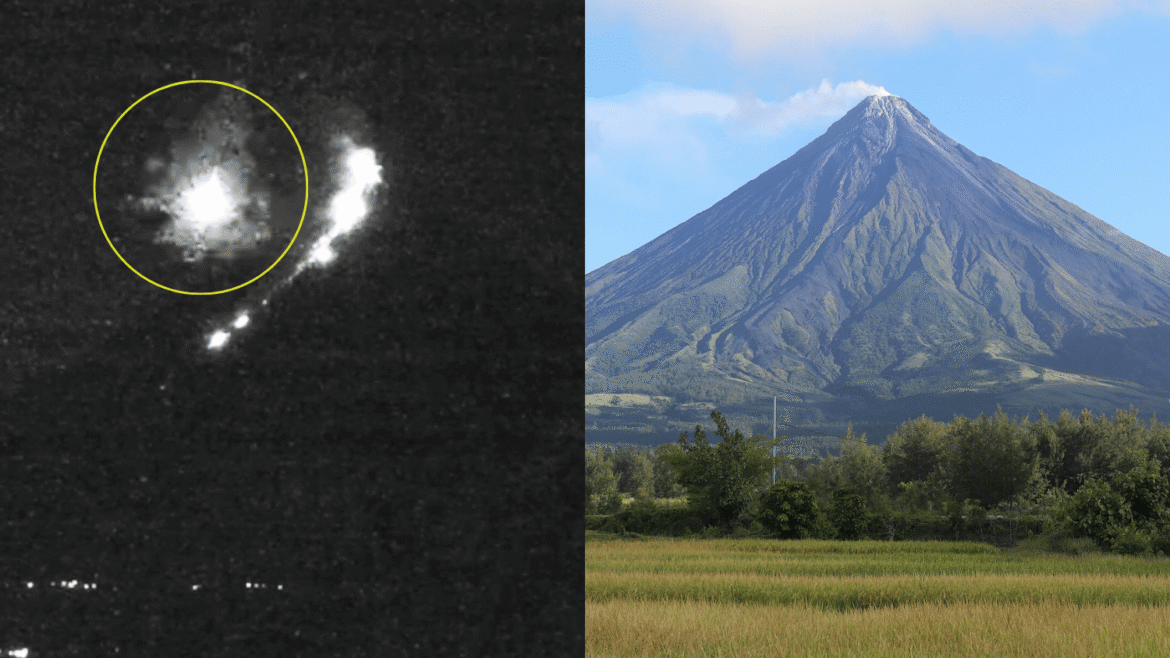
While Mayon is indeed undergoing a minor, low-level “Strombolian” eruption phase (releasing gas pressure through rhythmic bursts of lava fragments under alert level 3), its stunning new cloud hat is entirely meteorological.
How a lenticular cloud forms
Known scientifically as a lenticular cloud (Altocumulus lenticularis), this lens-shaped phenomenon occurs when the atmosphere decides to sculpt the wind using the landscape as a mold.
When strong, moist horizontal winds blow across the Bicol region and slam into an isolated, towering obstacle like Mayon’s symmetrical 2,400-meter cone, the air has nowhere to go but up.
As this moist air is forced upward over the peak, it hits a much colder atmospheric layer. The moisture cools rapidly, condensing into a smooth, stationary cap directly over the summit—giving Mayon its famous salakot (traditional Filipino hat) look.
As the wind rushes past the peak and flows down the other side, the air warms up again, causing the cloud to evaporate.
Because this cycle of condensation and evaporation happens continuously in a fixed loop, the cloud appears to sit completely motionless over the crater, even while surrounding winds are blowing fiercely.
It’s a cosmic coincidence
What you are seeing in Lakwatserong Irigenyo’s viral shot is a rare and beautiful cosmic coincidence. Mayon Volcano is quietly doing its job geologically by safely venting magma pressure, while the local weather system is doing its job artistically by dressing the volcano in a gorgeous cloud hat.
There is no need to panic—just appreciate the spectacular, cinematic view from a safe distance outside the 6-kilometer permanent danger zone.