From Indian soldiers to Kapampangan kitchens, the beloved peanut stew carries a history as rich as its sauce.
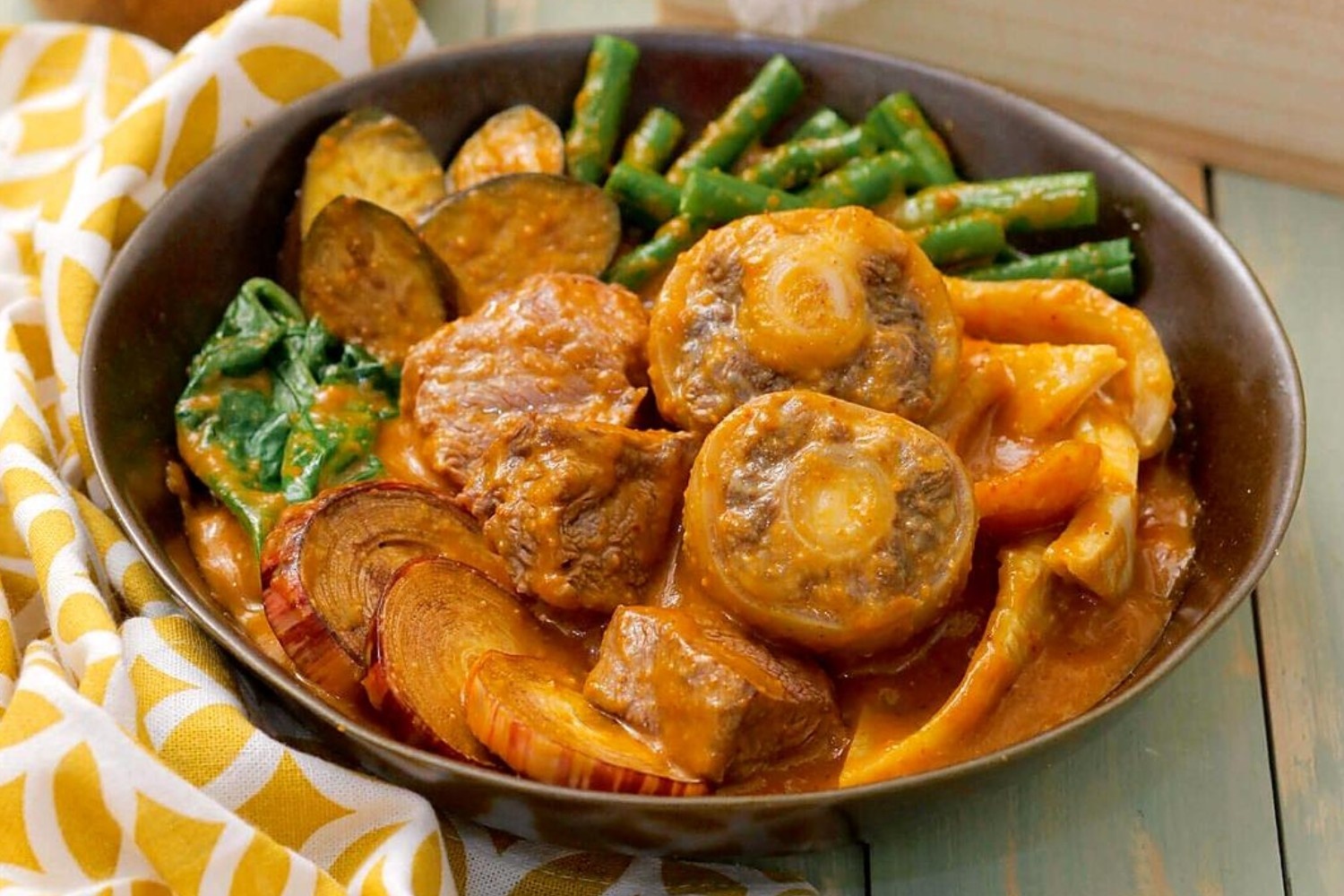
There’s a specific kind of silence that falls over a Filipino table when kare-kare is served. The kind where conversation pauses just long enough for someone to spoon thick peanut sauce over steaming rice, reach for a piece of oxtail, and ask the most important question: “Nasaan ang bagoong?”
It’s a dish that feels deeply Filipino—rich, comforting, and meant to be shared. But like many things we take for granted, kare-kare comes with a story that isn’t as straightforward as it tastes. In fact, depending on who you ask, it comes with three.
The Sepoy story: A taste of home, reimagined
The first story feels almost cinematic. During the brief British occupation of Manila in the 1700s, Indian soldiers known as Sepoys were stationed in nearby towns like Cainta and Taytay. Far from home and craving familiar flavors, they tried to recreate their beloved curry, or “kari.” But without the spices they were used to, they improvised—using ground peanuts for creaminess and atsuete for color. What came out wasn’t quite curry, but something new. Something that would eventually be called kare-kare.
It’s easy to imagine this version coming to life in roadside kitchens—what we now think of as early karinderias—where resourcefulness turned longing into invention. And somehow, that spirit still lingers in every bowl.
The Kapampangan claim: Refinement and pride
Then there’s the Kapampangan claim, and if you’ve ever been to Pampanga, you know better than to argue lightly. Known as the country’s culinary capital, the province has long laid claim to kare-kare as its own. One version of the story suggests it evolved from earlier “kari”-style dishes influenced by Moro cooking, then refined by Kapampangan cooks who replaced fish with meat and enriched the sauce with ground peanuts.
Another, more playful anecdote says the name itself—“kare-kare”—was a subtle jab, a way of calling it a “mock curry,” or an imitation that eventually became better than the original. True or not, it fits the Kapampangan reputation: bold, confident, and deeply proud of their food.
Pre-colonial roots: A dish shaped by trade
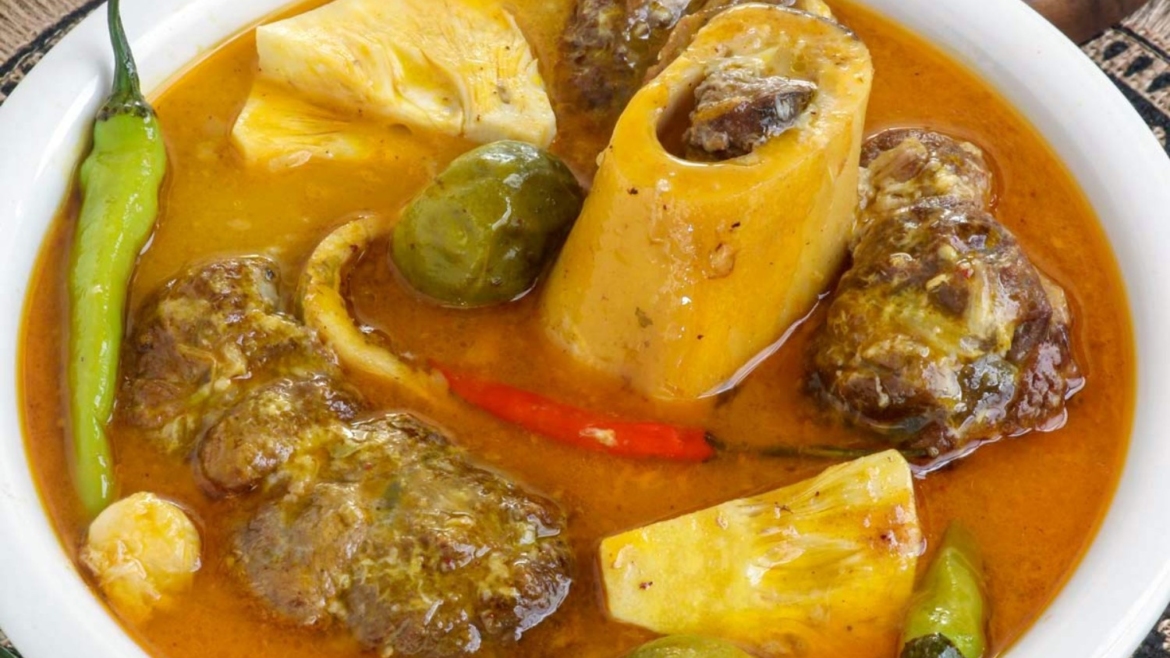
The third story goes even further back—long before colonizers arrived. Some historians believe kare-kare traces its roots to pre-colonial trade with Malay and Indonesian cultures, where curry-like dishes were already part of the culinary exchange. The word “kari” itself points to this shared history, suggesting that kare-kare may have started as a localized interpretation of something foreign, slowly shaped by what was available in the islands.
What makes it Filipino: The bagoong factor
What makes kare-kare distinctly Filipino, however, is not just the peanut sauce or the tender meat. It’s the bagoong. That salty, pungent shrimp paste served on the side—something no Indian or Malay curry would traditionally include. It’s the balancing act that defines the dish: rich and earthy meets sharp and briny. It’s also what makes every family argue about how much is “too much.”
And maybe that’s the point.
Kare-kare isn’t just a dish with one origin story—it’s a dish that reflects how Filipinos cook, adapt, and make things their own. Whether it began with Indian soldiers, Kapampangan ingenuity, or pre-colonial trade, what matters is how it ended up on our tables: shared during birthdays, fiestas, Sunday lunches, and those random days when someone simply feels like cooking something special.
Because at the end of it all, kare-kare doesn’t need a single origin to feel authentic. Its real story is in the way we eat it—together, a little messy, always with extra rice, and never without bagoong.