Bridging heritage and haute couture at Fashion InStyle 2026.
Filipino weavers have long struggled to reach global buyers, despite the richness of their craftsmanship and cultural heritage.
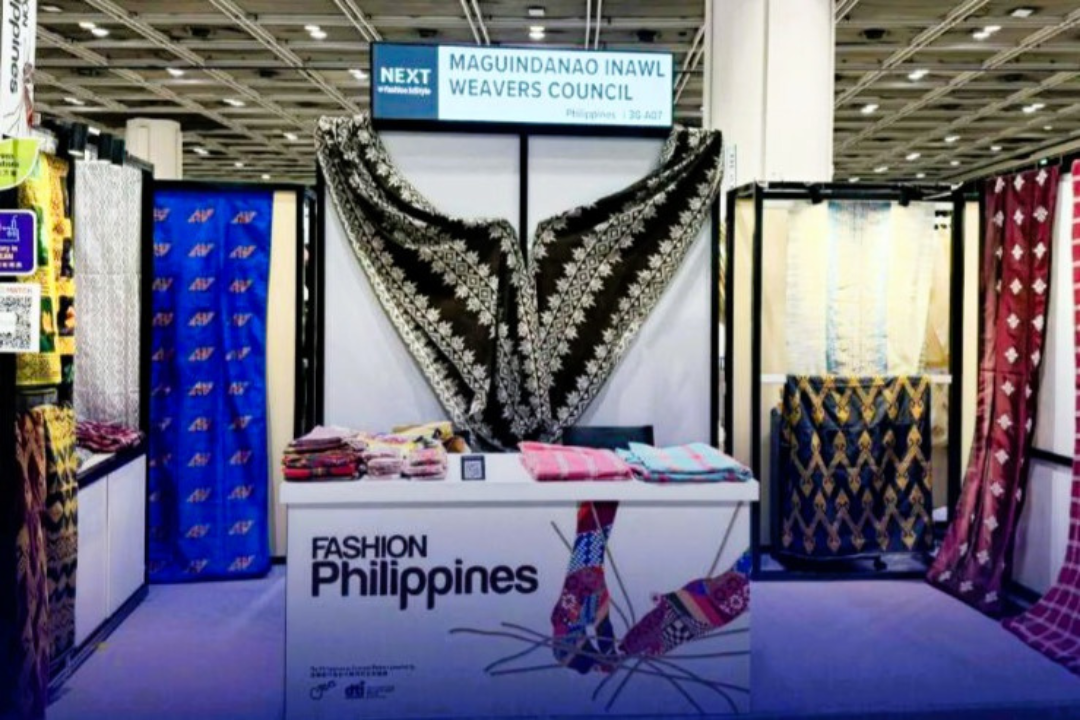
That is beginning to shift as local textiles take the spotlight at Fashion InStyle Hong Kong 2026, held in the Asian financial hub, where Filipino weavers are gaining new exposure in front of global buyers and fashion stakeholders. Among the highlights is the Maguindanao inawl, a handwoven fabric known for its intricate patterns and deep cultural roots.
The Maguindanao inawl: More than just fabric
Each piece carries stories of heritage and identity, with designs passed down through generations. Its presence on an international platform reflects growing recognition for Philippine textiles beyond local markets.
The push is supported by the Philippine Textile Research Institute under the Department of Science and Technology, which has been working to expand market access while introducing innovation to traditional weaving communities.
Habing Cavite: Landmarks in cotton
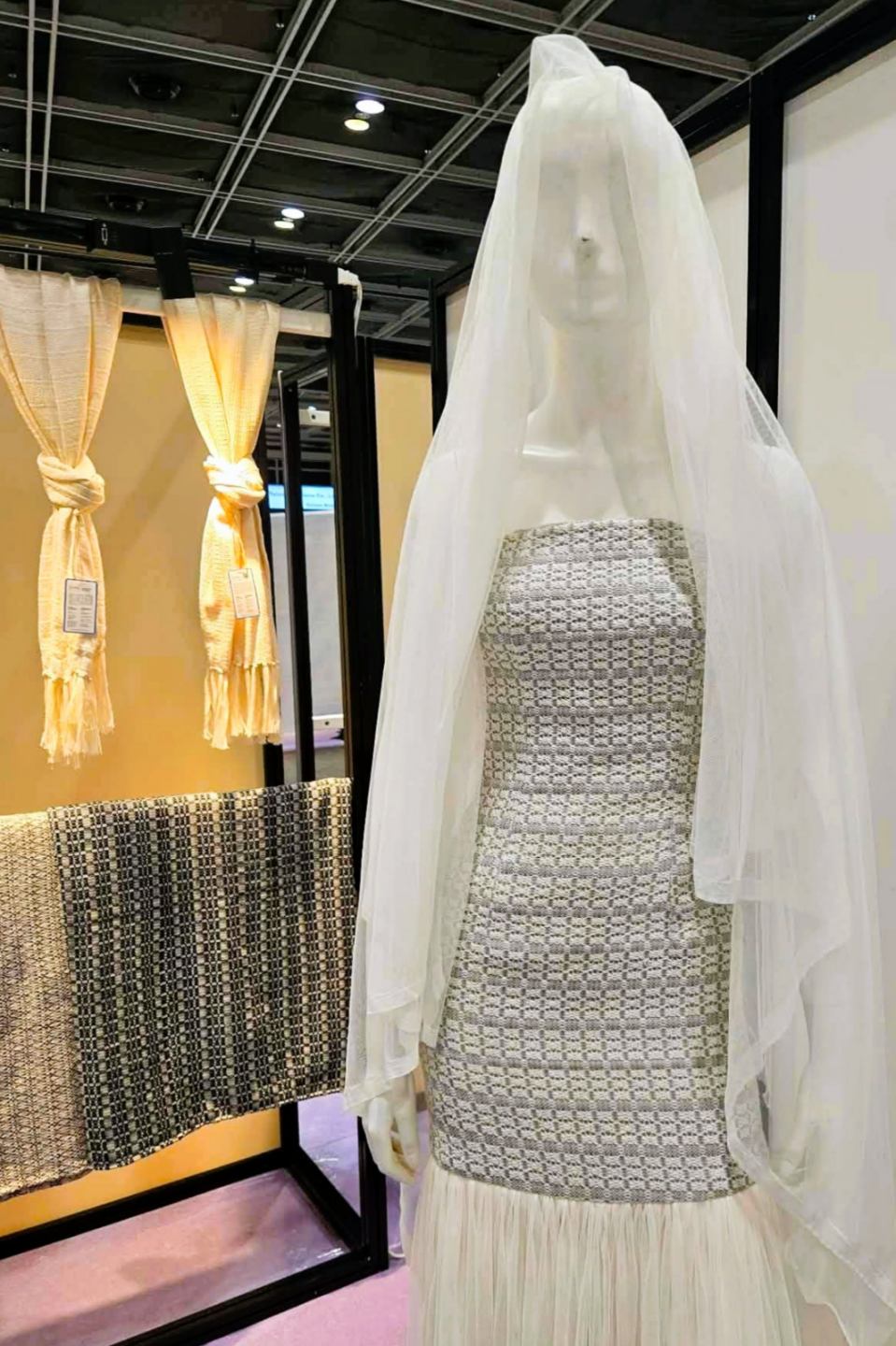
Likhang Maragondon also showcased its Habing Cavite scarves made from 100% natural cotton, with designs inspired by Filipino landscapes and landmarks.
Featuring the Parang Scarf, the nature-driven Dayaw Scarf, and the architectural details of San Sebastian Basilica reflected in the Sebastian Scarf, the collection demonstrates how local textiles can blend heritage with contemporary design for global audiences.
The exposure opens doors to export opportunities and positions Philippine textiles as competitive, culturally rich products in the global fashion industry.
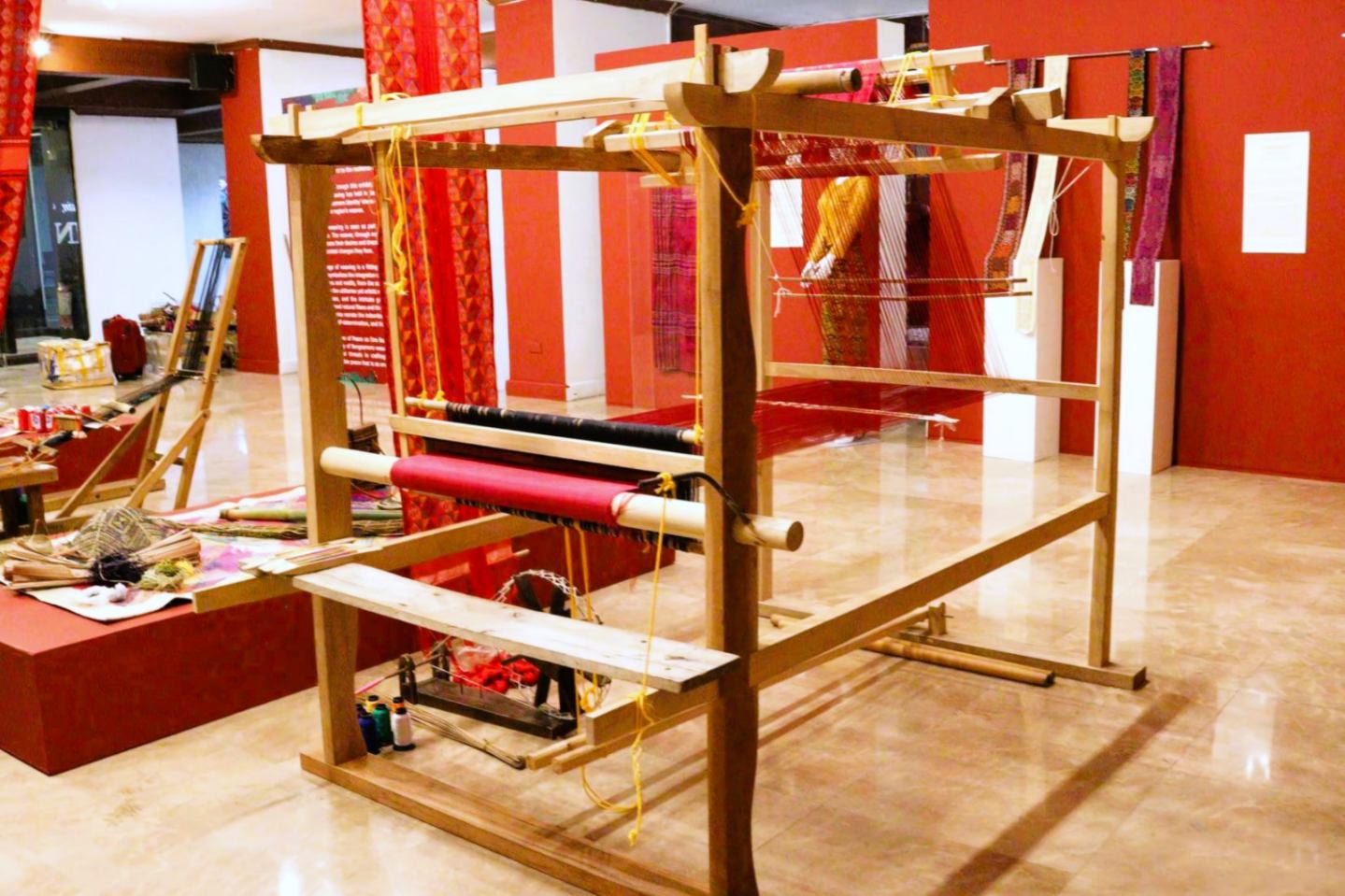
From the loom to the global runway. Maguindanao inawl and Habing Cavite take center stage at Fashion InStyle Hong Kong 2026.