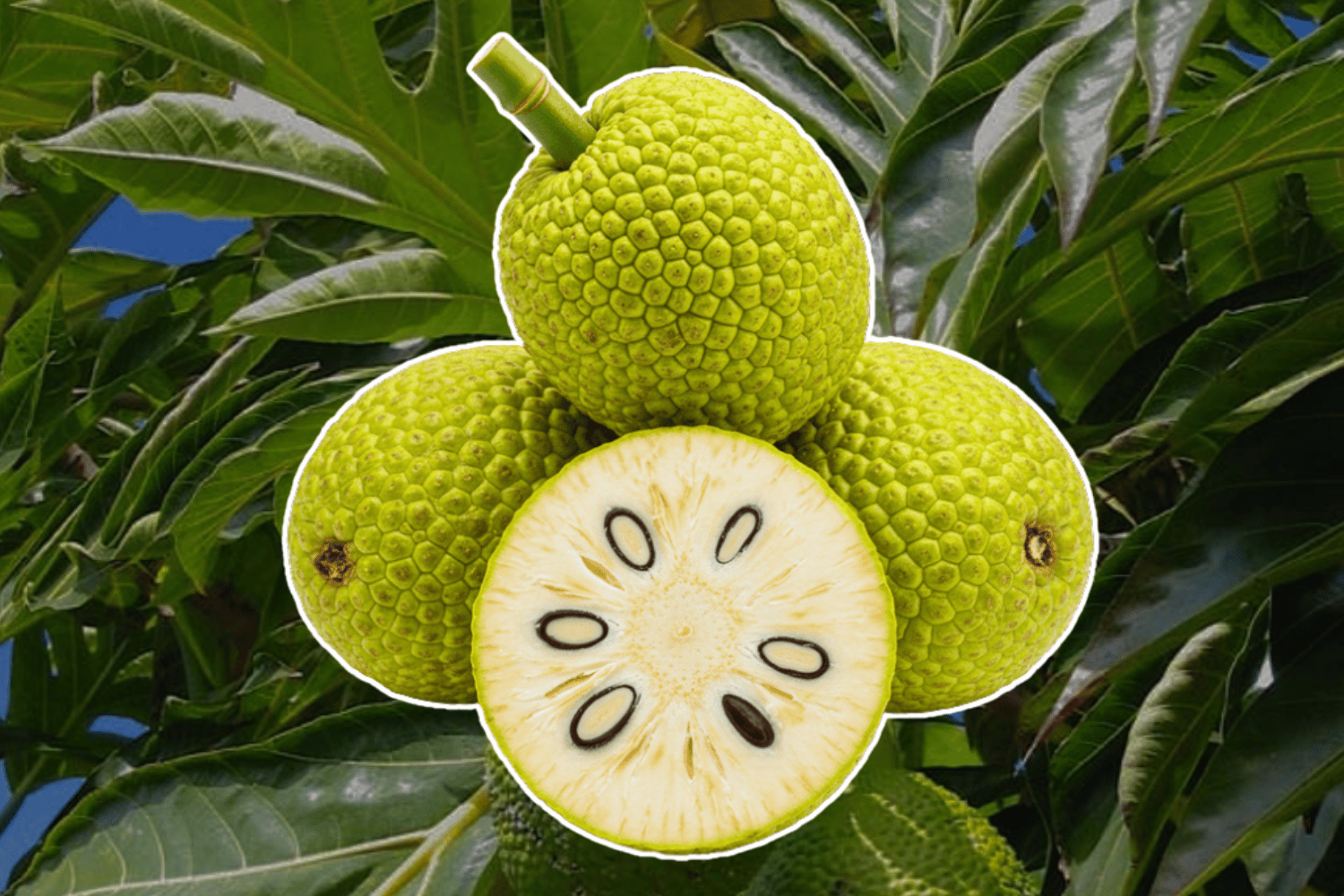
Breadfruit provides substantially more dietary fiber and is a source of vitamin C, potassium and other minerals.
Rice is so deeply embedded in Filipino life that a meal can feel incomplete without it. But growing quietly in backyards and farms across the country is a familiar fruit that could offer another source of carbohydrates: breadfruit, or rimas.
Breadfruit has long been eaten in the Philippines, usually boiled, fried or cooked with coconut milk. But agricultural advocates are increasingly looking at the tropical crop for something bigger: as an alternative staple that could complement rice.
And nutritionally, rimas has a compelling case.
When cooked while still mature but firm, breadfruit is starchy and filling, with a texture somewhere between potato and bread. Compared with polished white rice, it provides substantially more dietary fiber and is a source of vitamin C, potassium and other minerals.
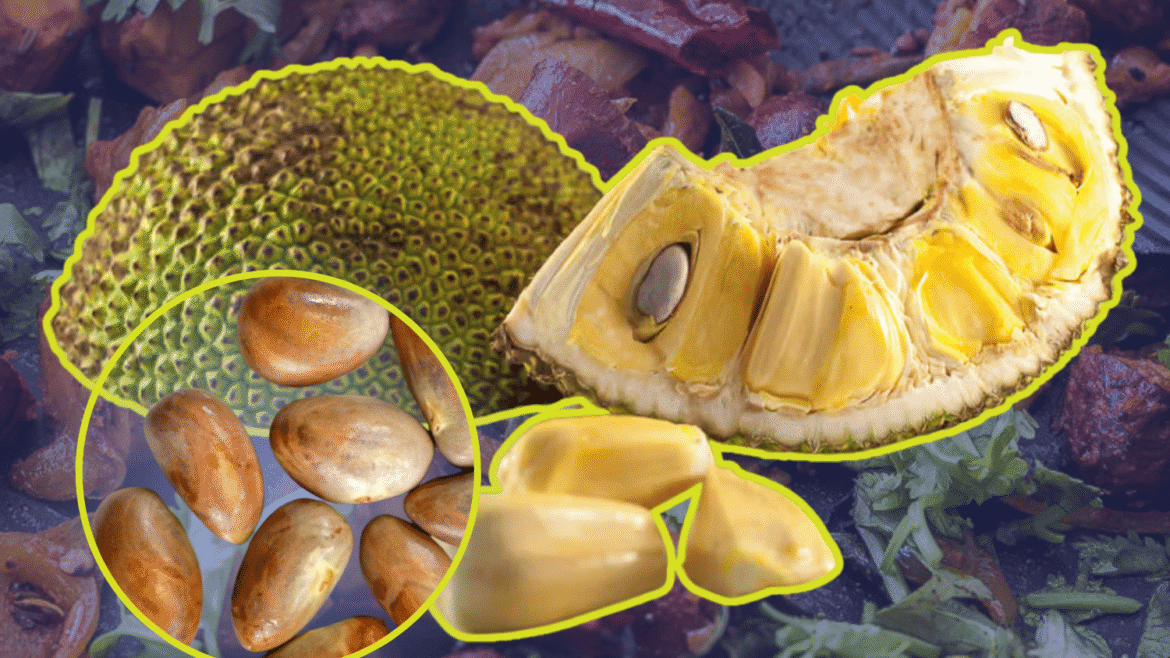
It can also be processed beyond the familiar boiled or fried rimas. Breadfruit can be dried and turned into gluten-free flour, while some processors have developed grain-like products designed to be prepared much like rice.
Then there is the tree itself.
Unlike rice, which must be planted and harvested repeatedly and can require intensive irrigation, breadfruit grows on a perennial tree. Once established, a productive tree can continue bearing fruit for decades, potentially providing households with a recurring source of food without cultivating a new crop every season.
That makes breadfruit particularly interesting in a country vulnerable to droughts, typhoons and disruptions in food supply.
But don’t expect rimas to replace the kanin on Filipino tables anytime soon.
Fresh breadfruit is highly perishable, creating problems in storage, transportation and distribution. Large-scale adoption would require better processing facilities, reliable supply chains and, perhaps most difficult of all, convincing Filipinos to change a food habit built over generations.
Breadfruit also isn’t automatically healthier for everyone simply because it isn’t rice. It remains a carbohydrate-rich food, while its relatively high potassium content can be an important consideration for people who must restrict potassium intake.
Perhaps the more realistic question, then, isn’t whether rimas can replace rice.
It’s why a country constantly worried about rice prices, imports and food security isn’t making more use of a crop that has been growing here all along.
READ: